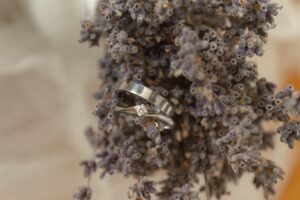
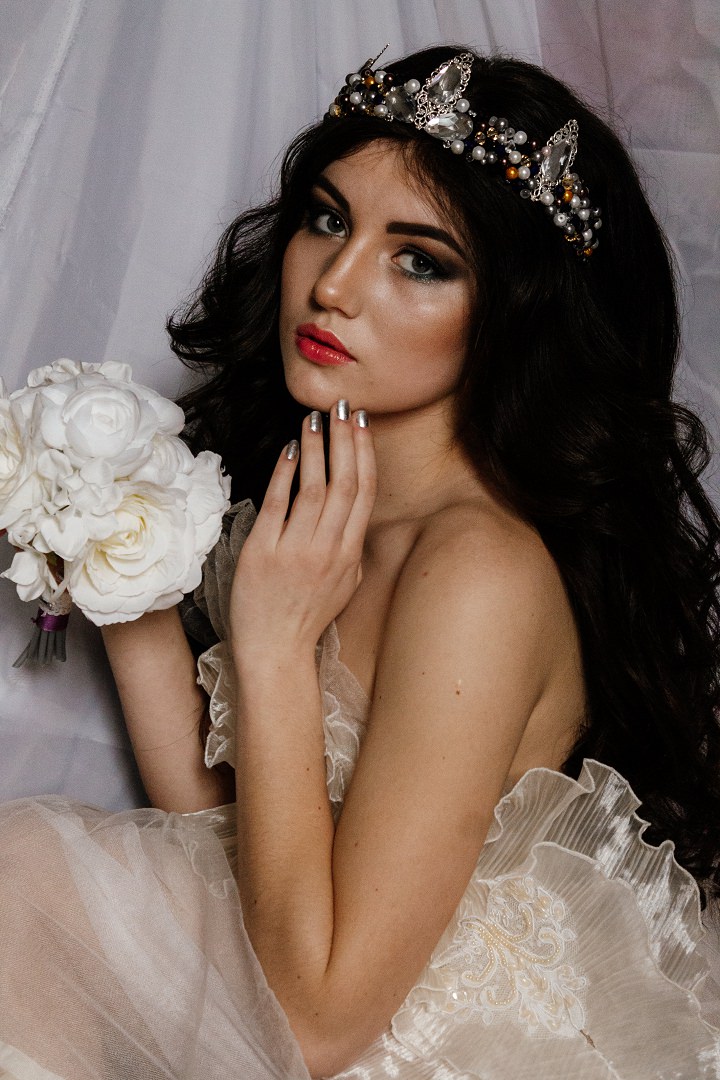
Natural True to Life
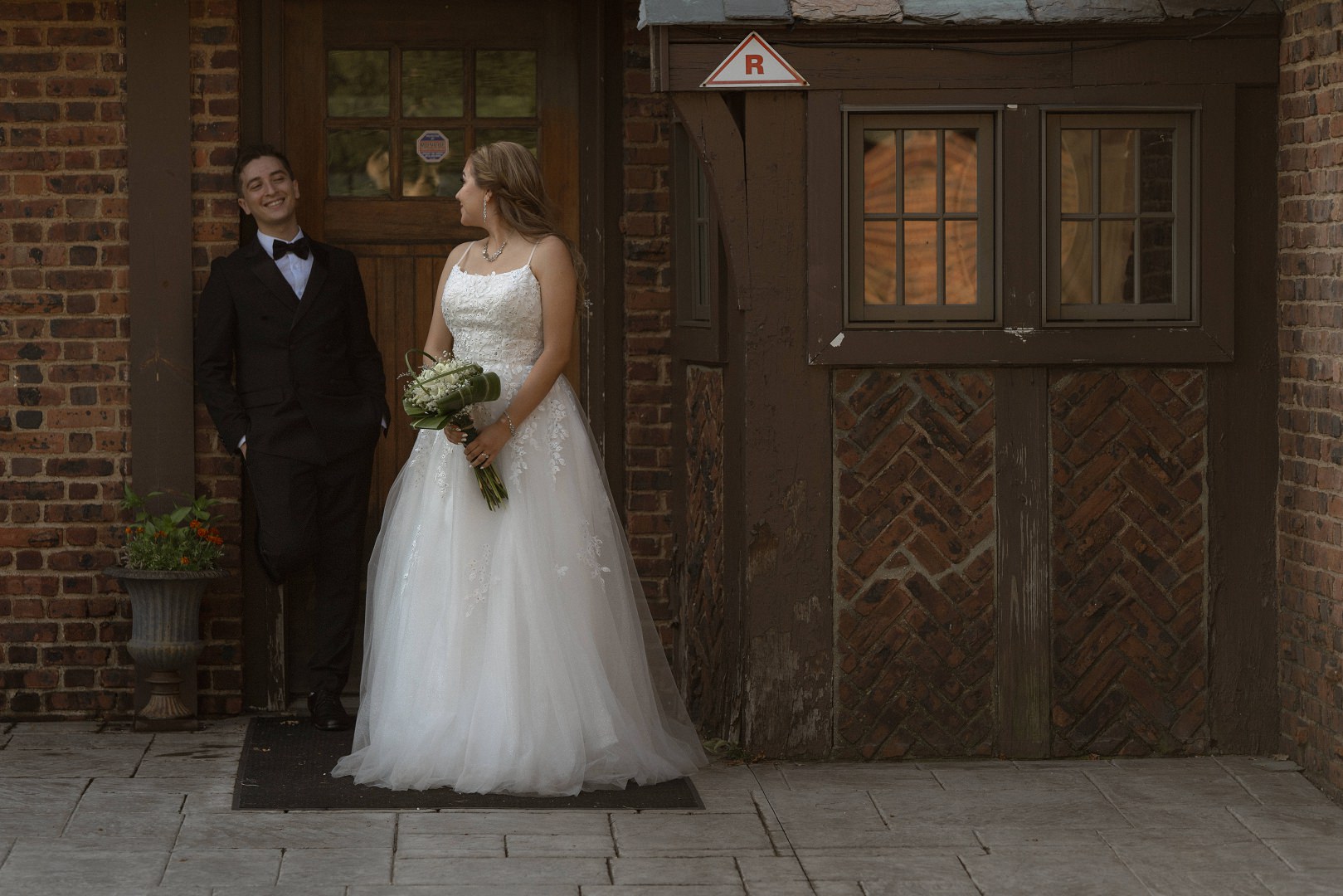
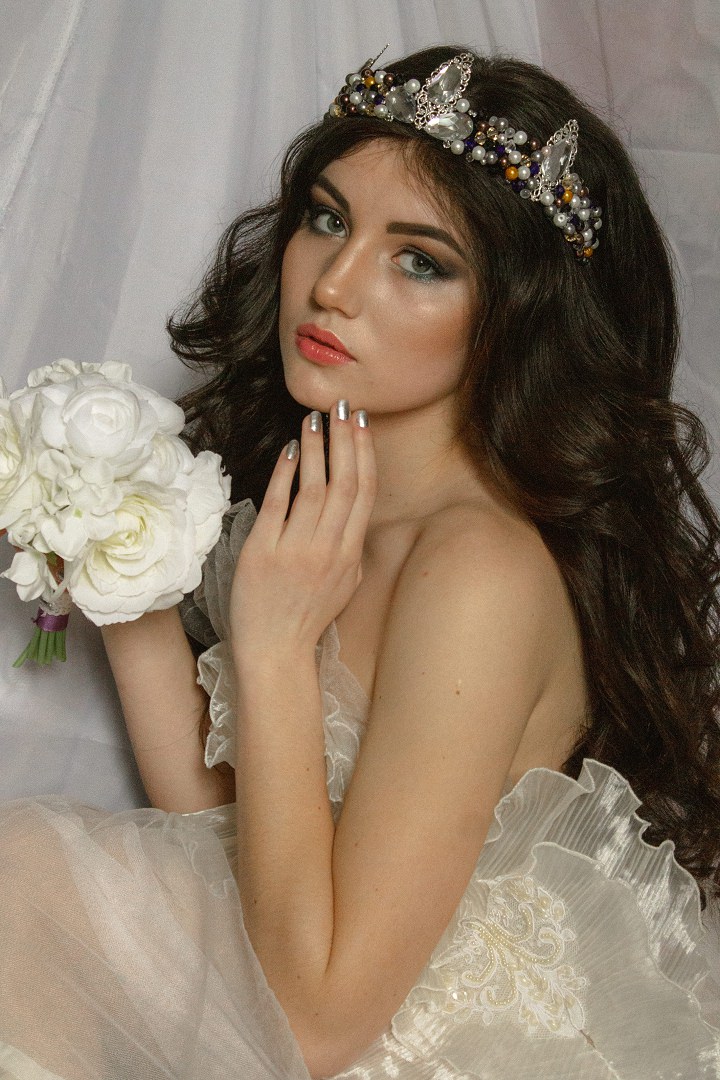
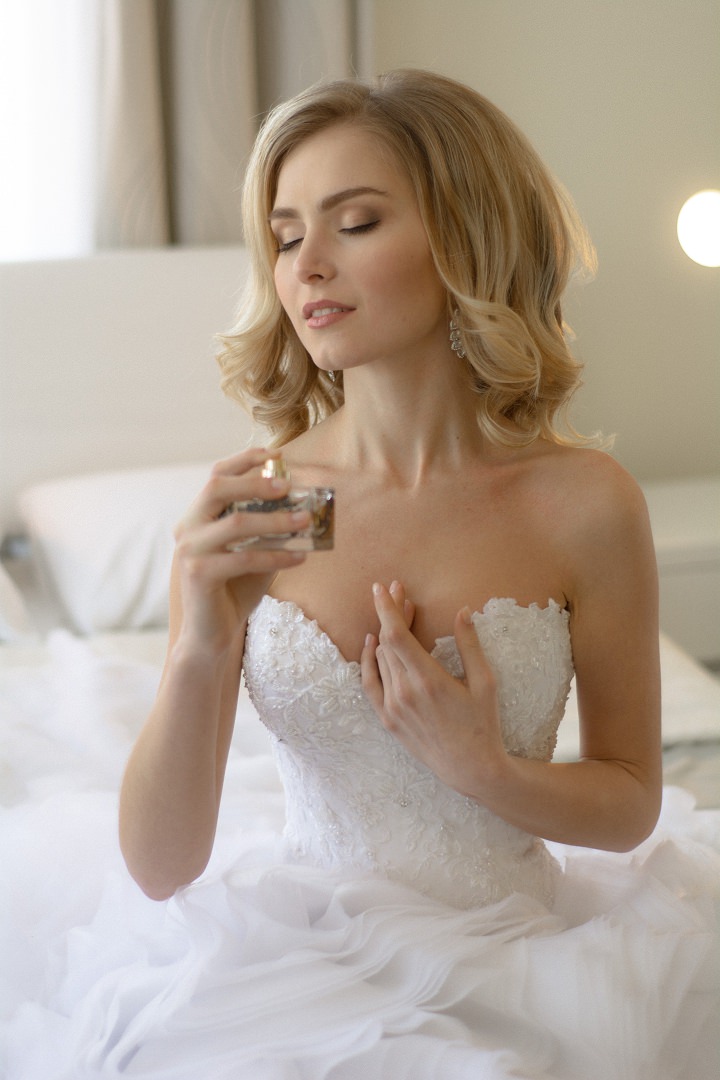
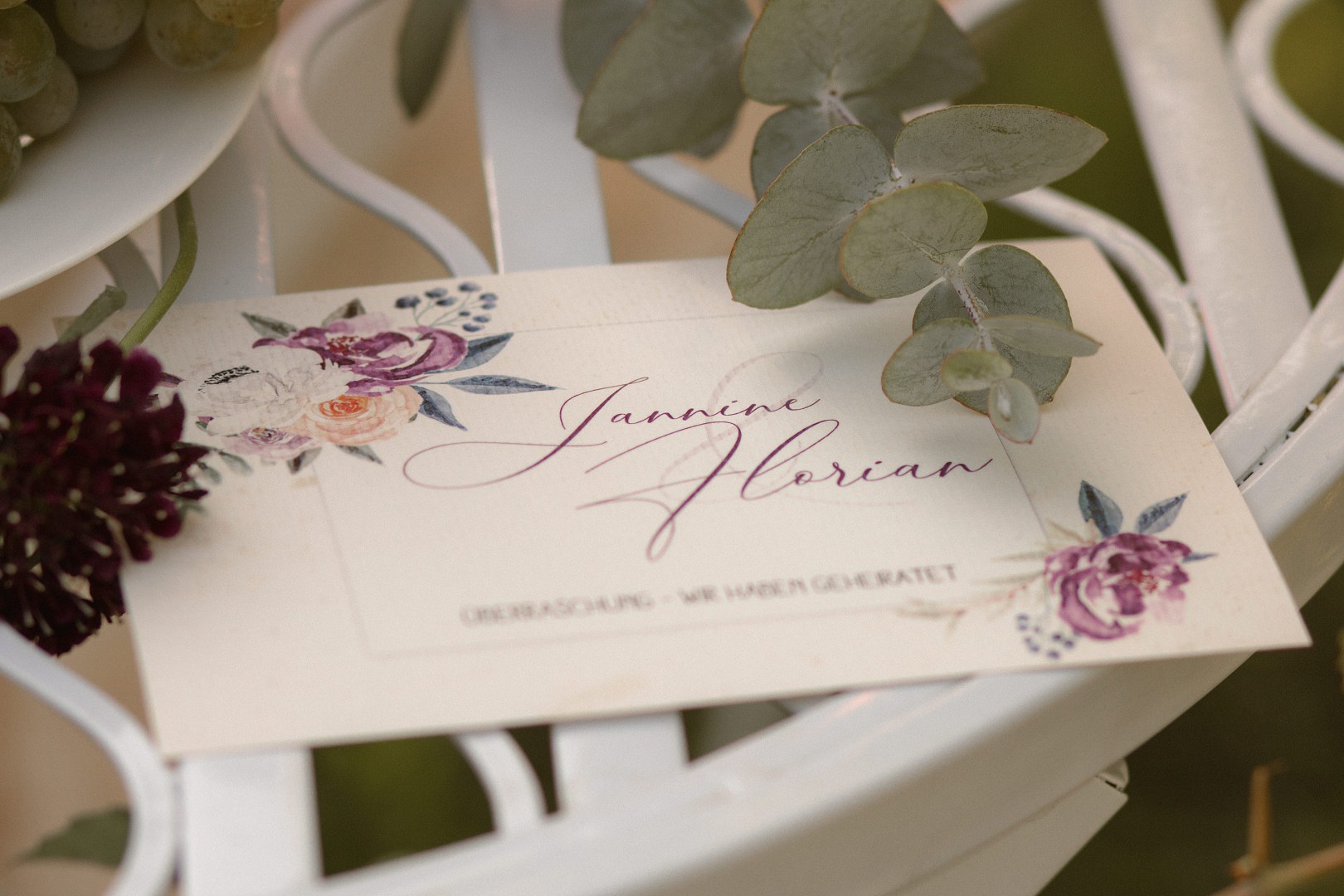
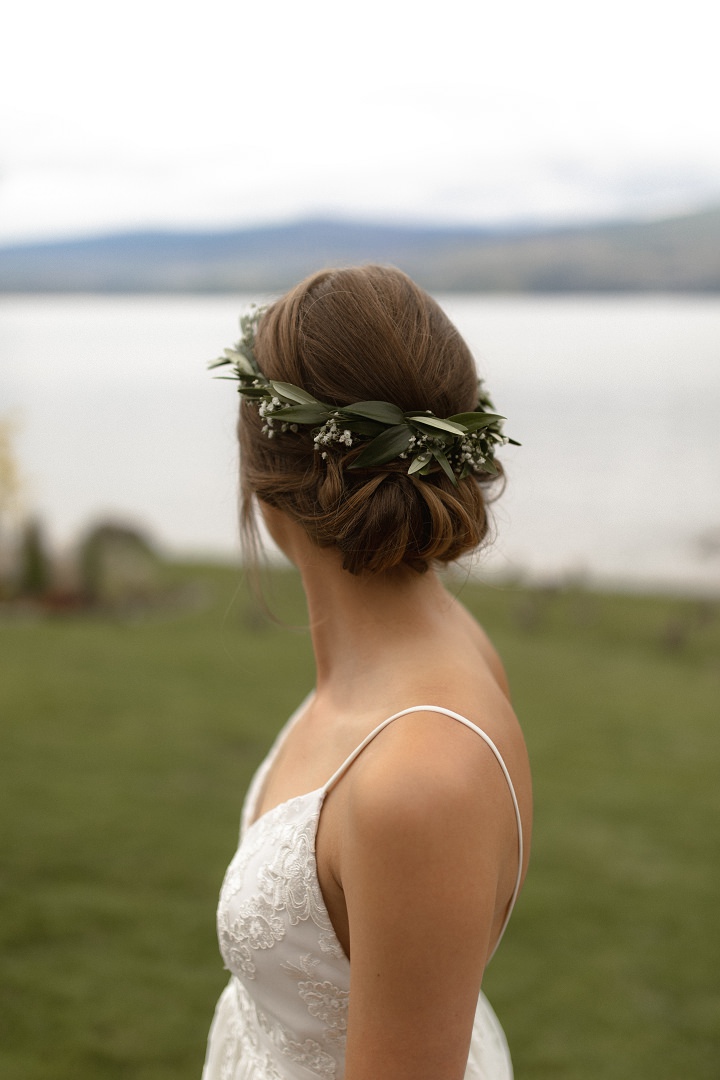
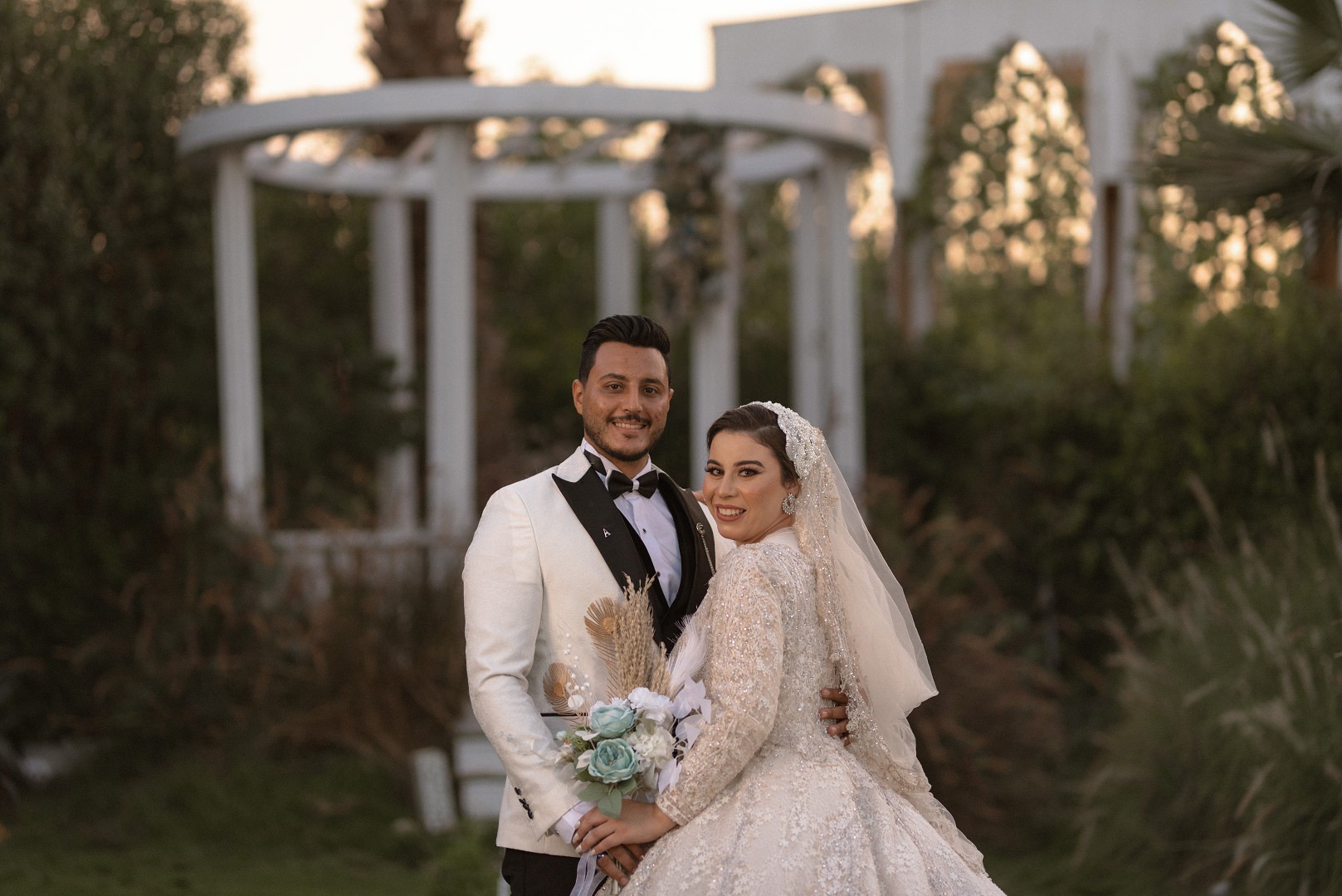
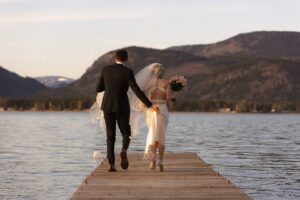
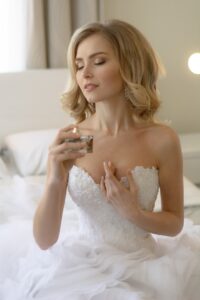
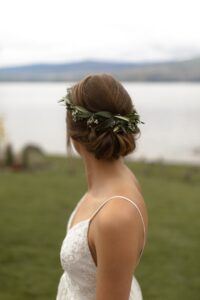
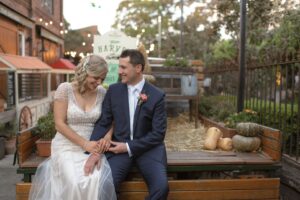
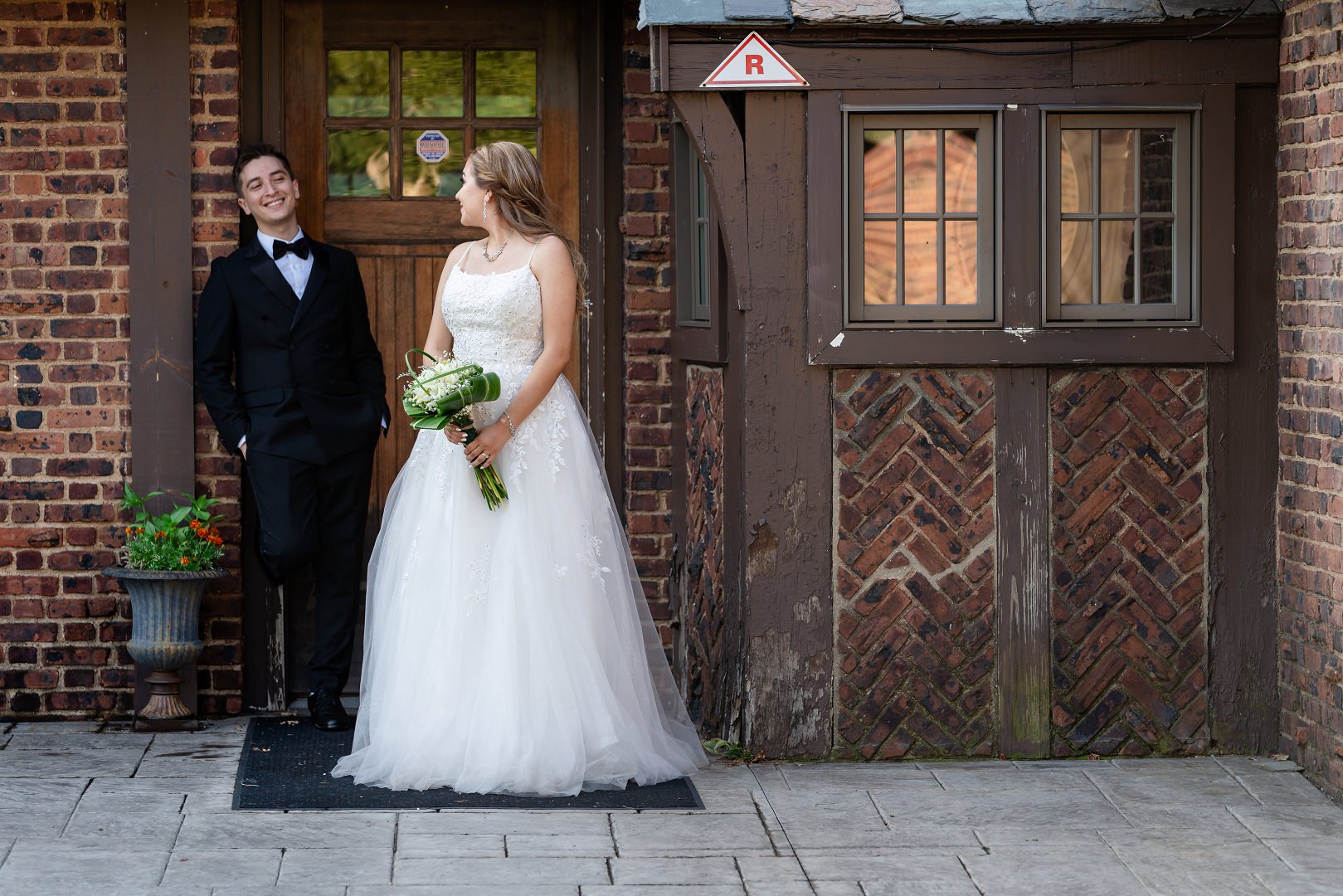
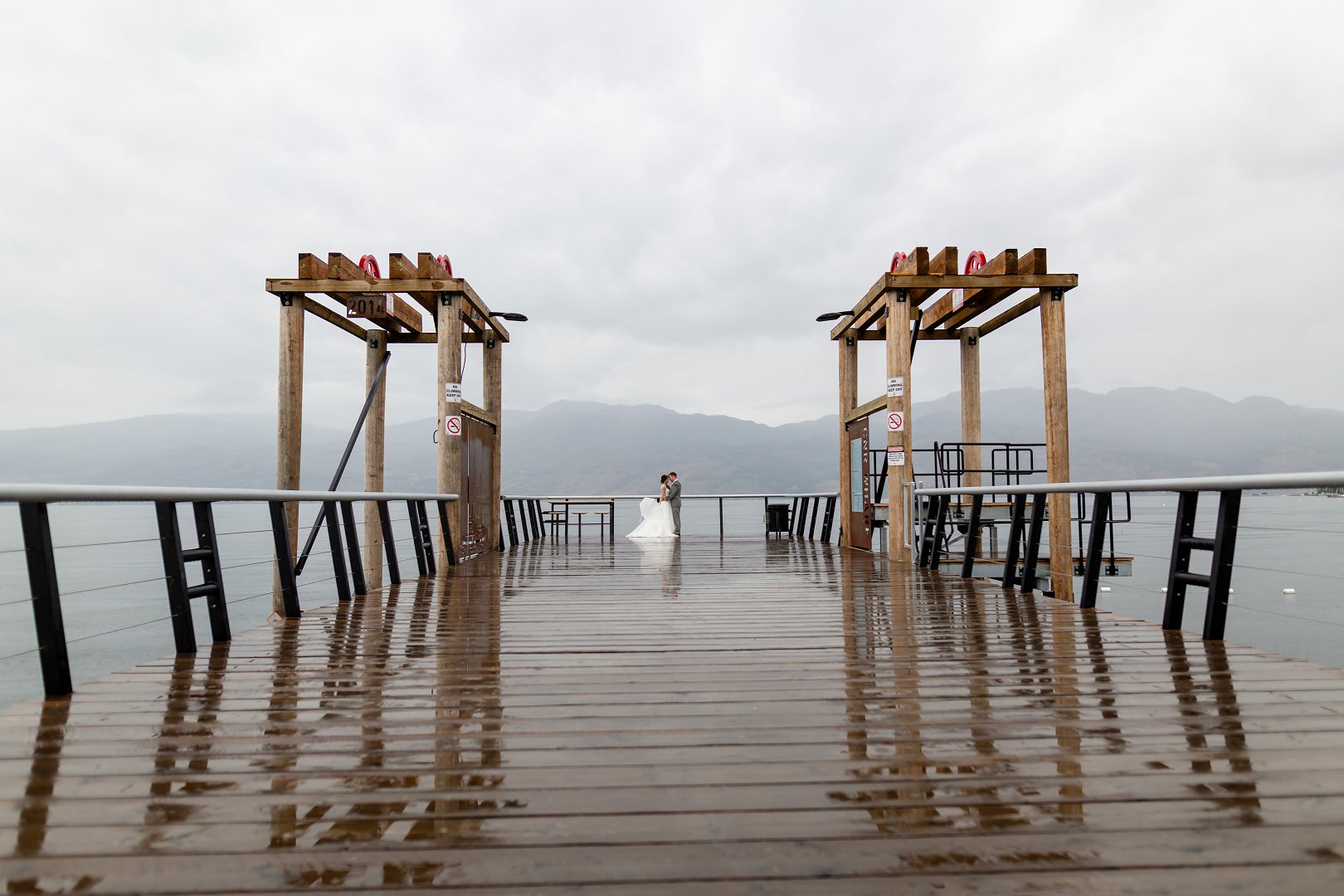
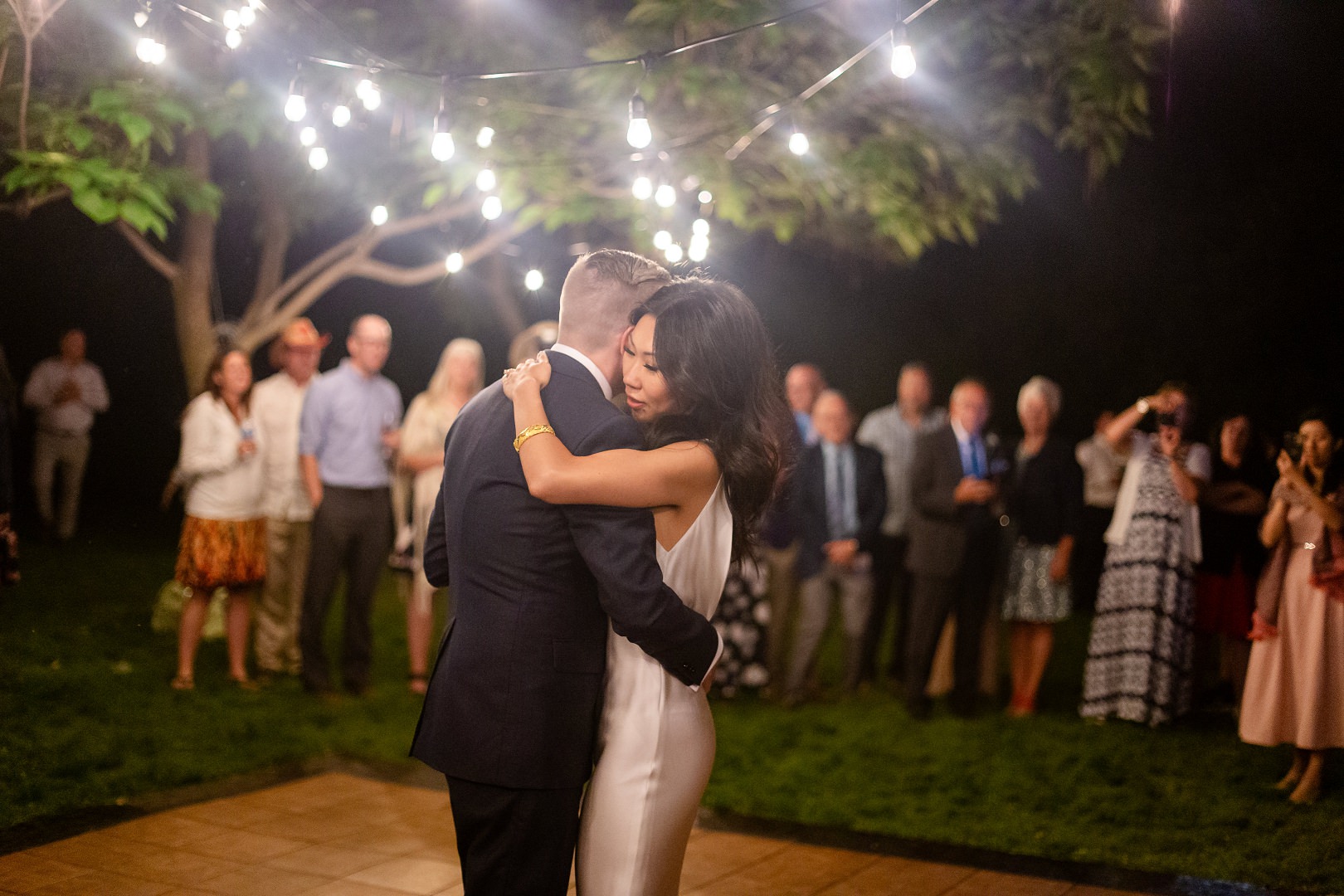
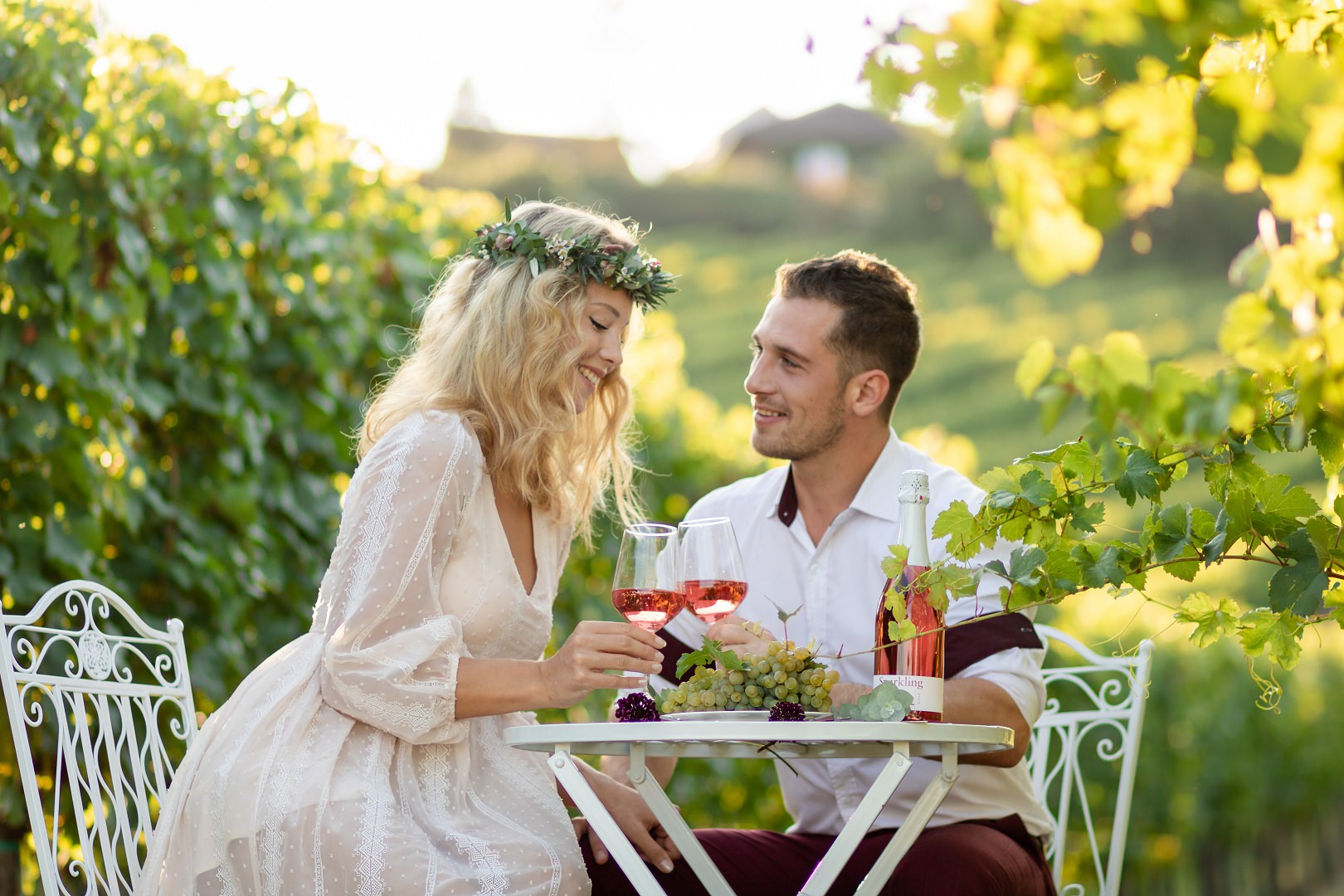
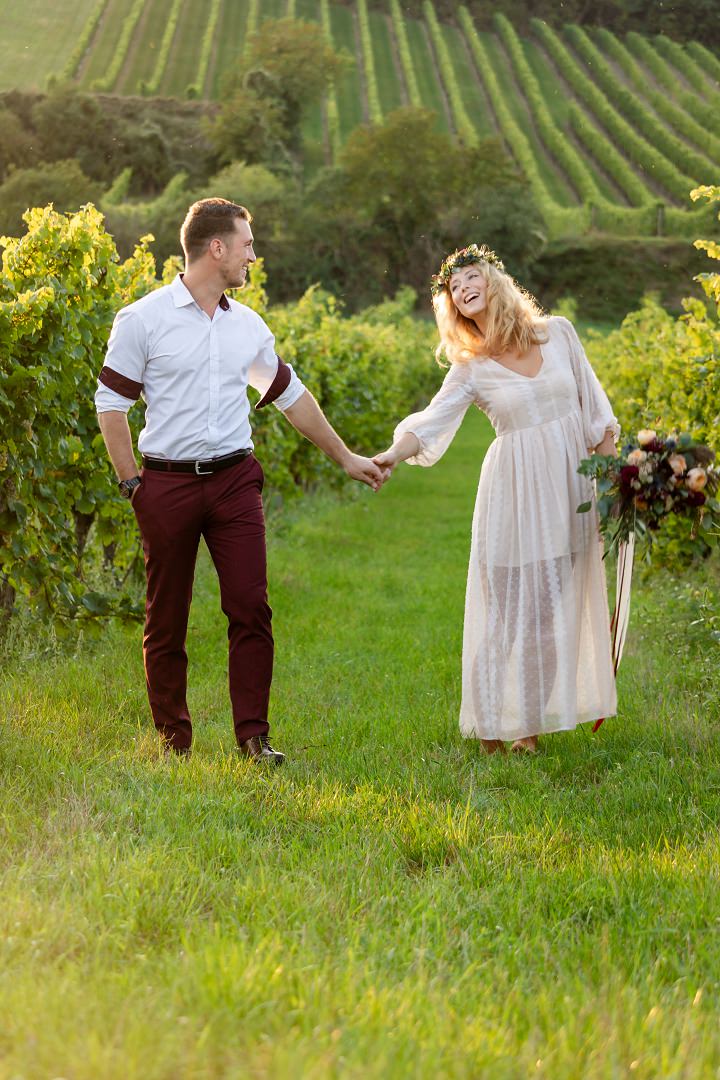
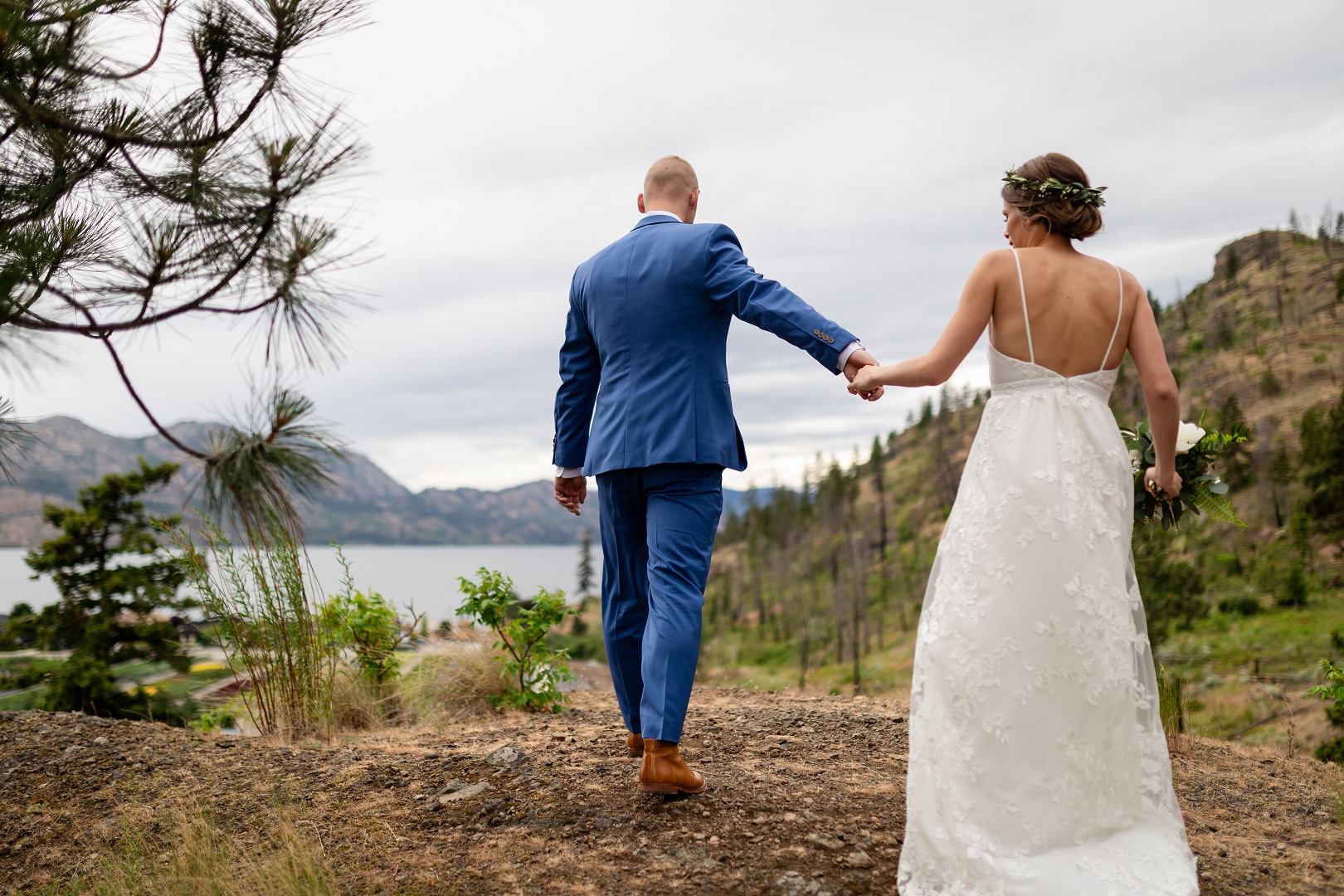
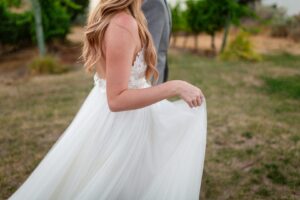
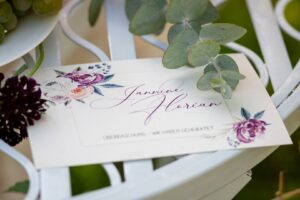
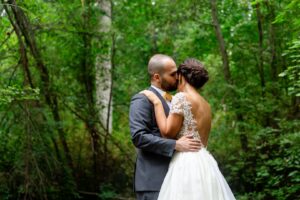
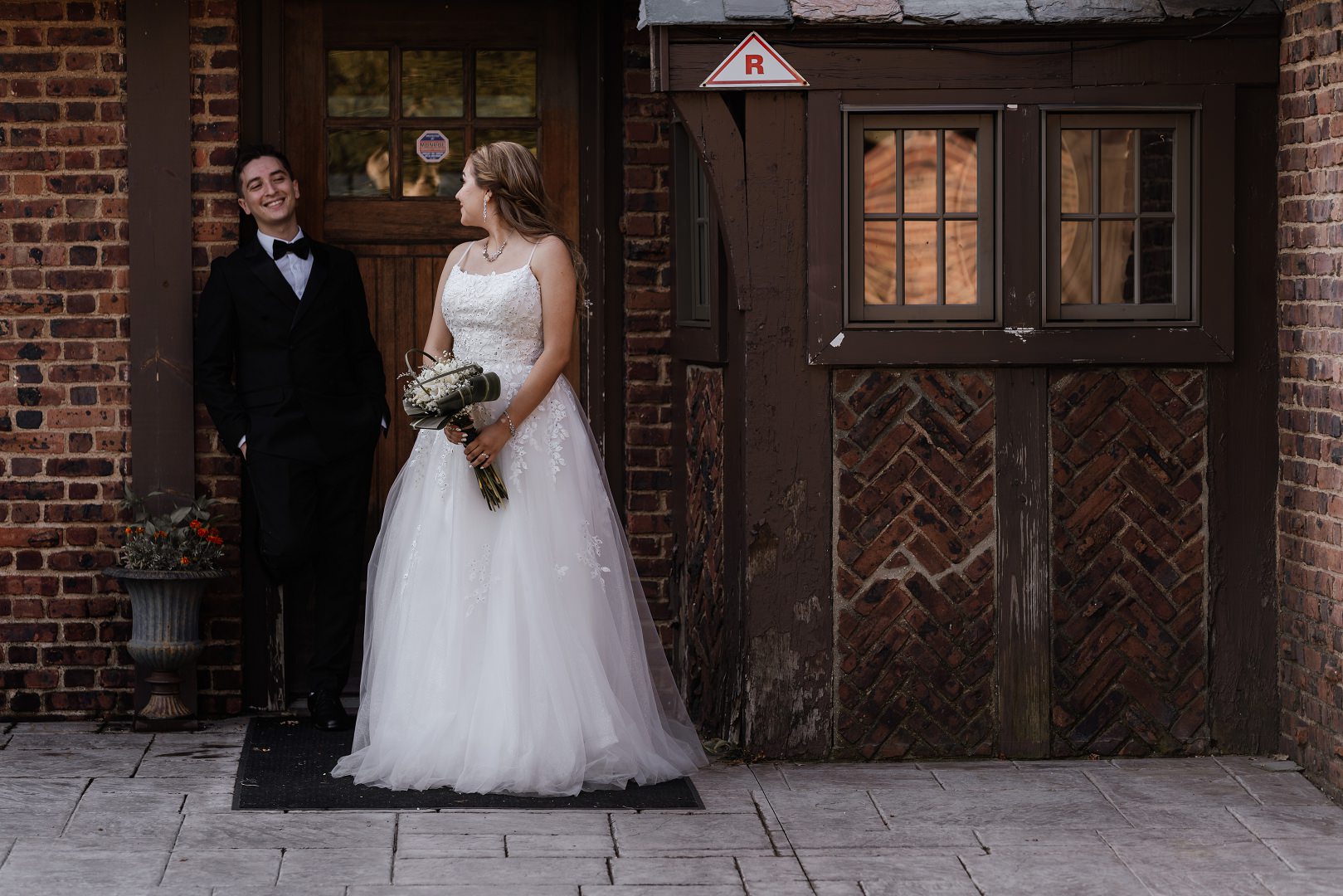
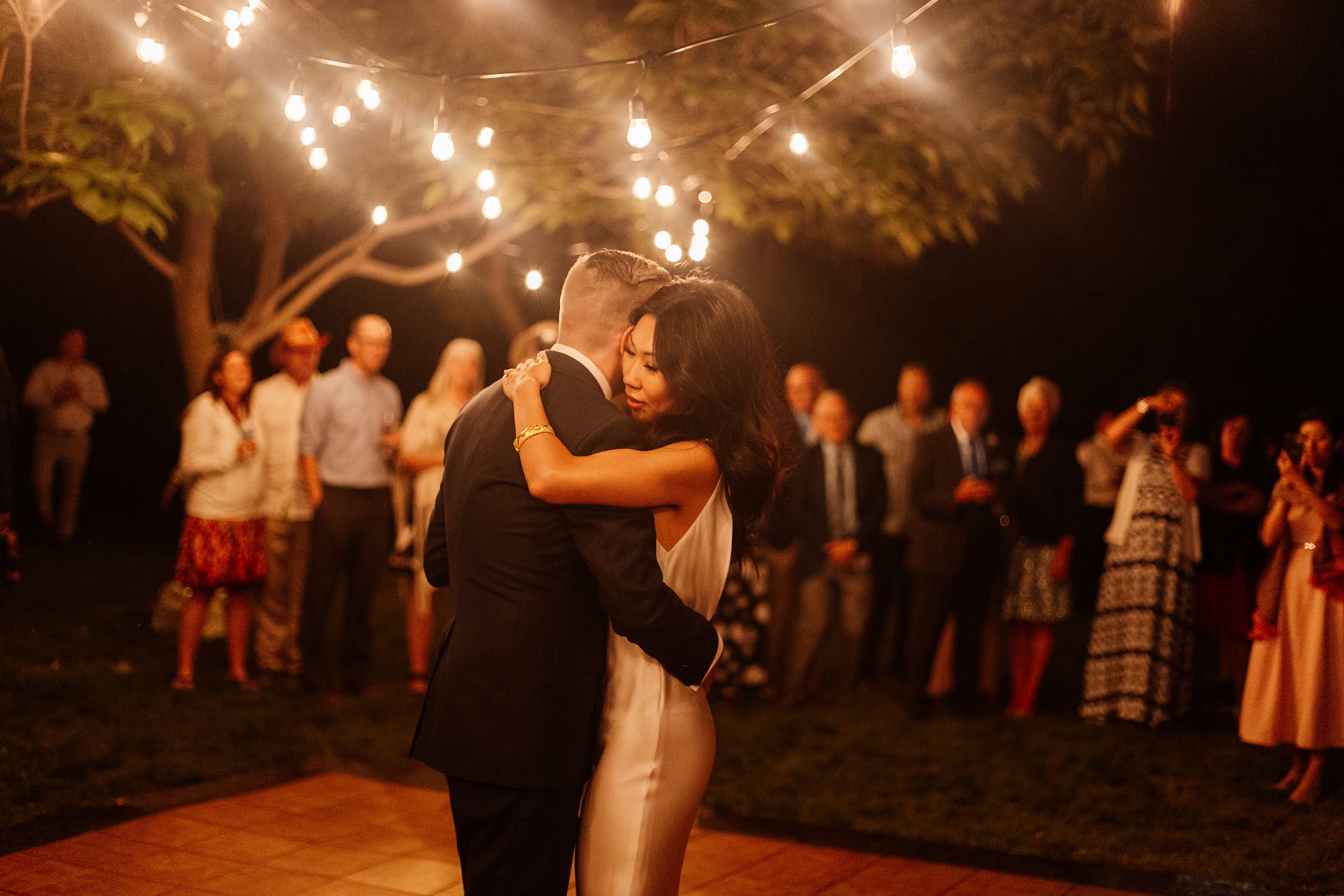
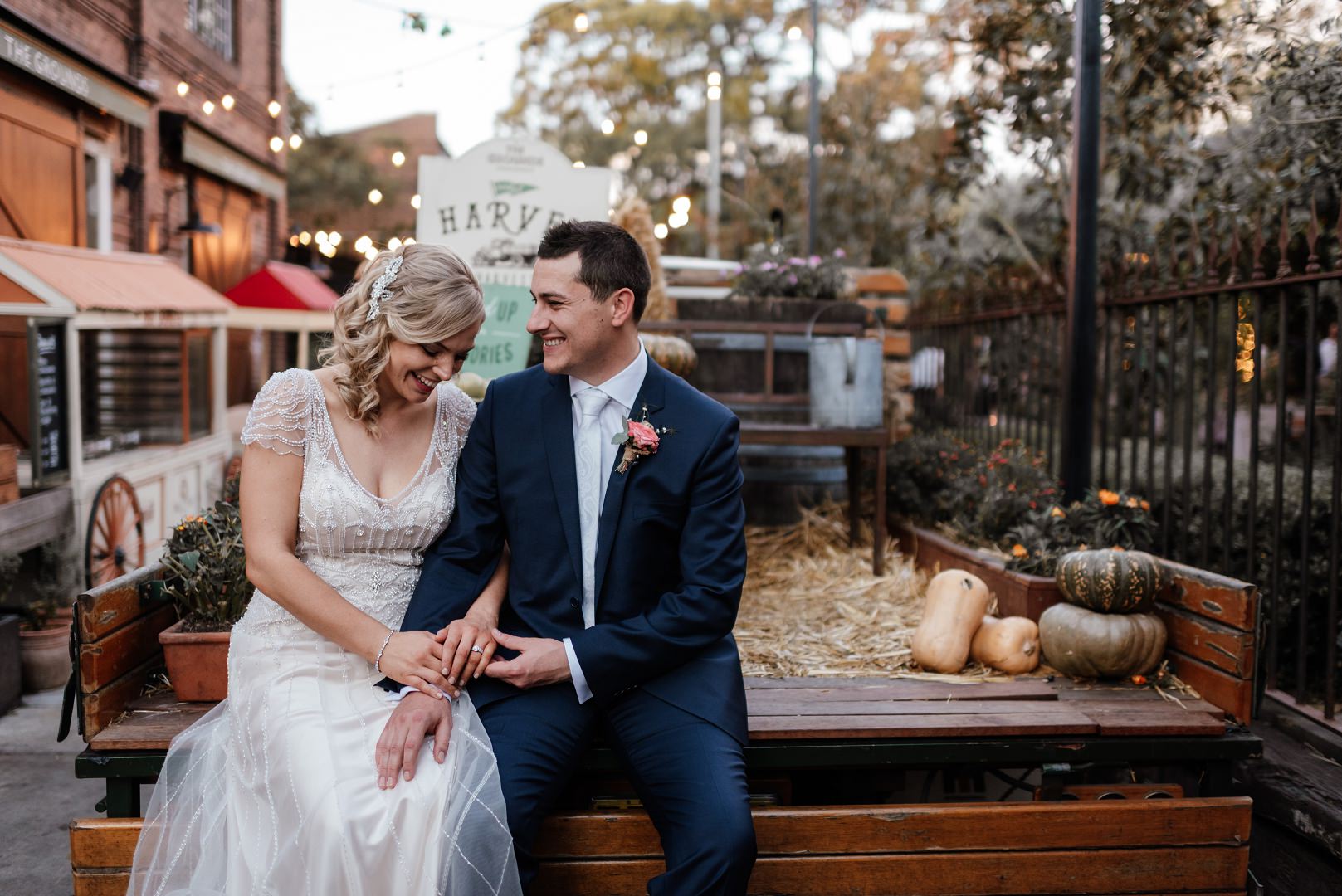
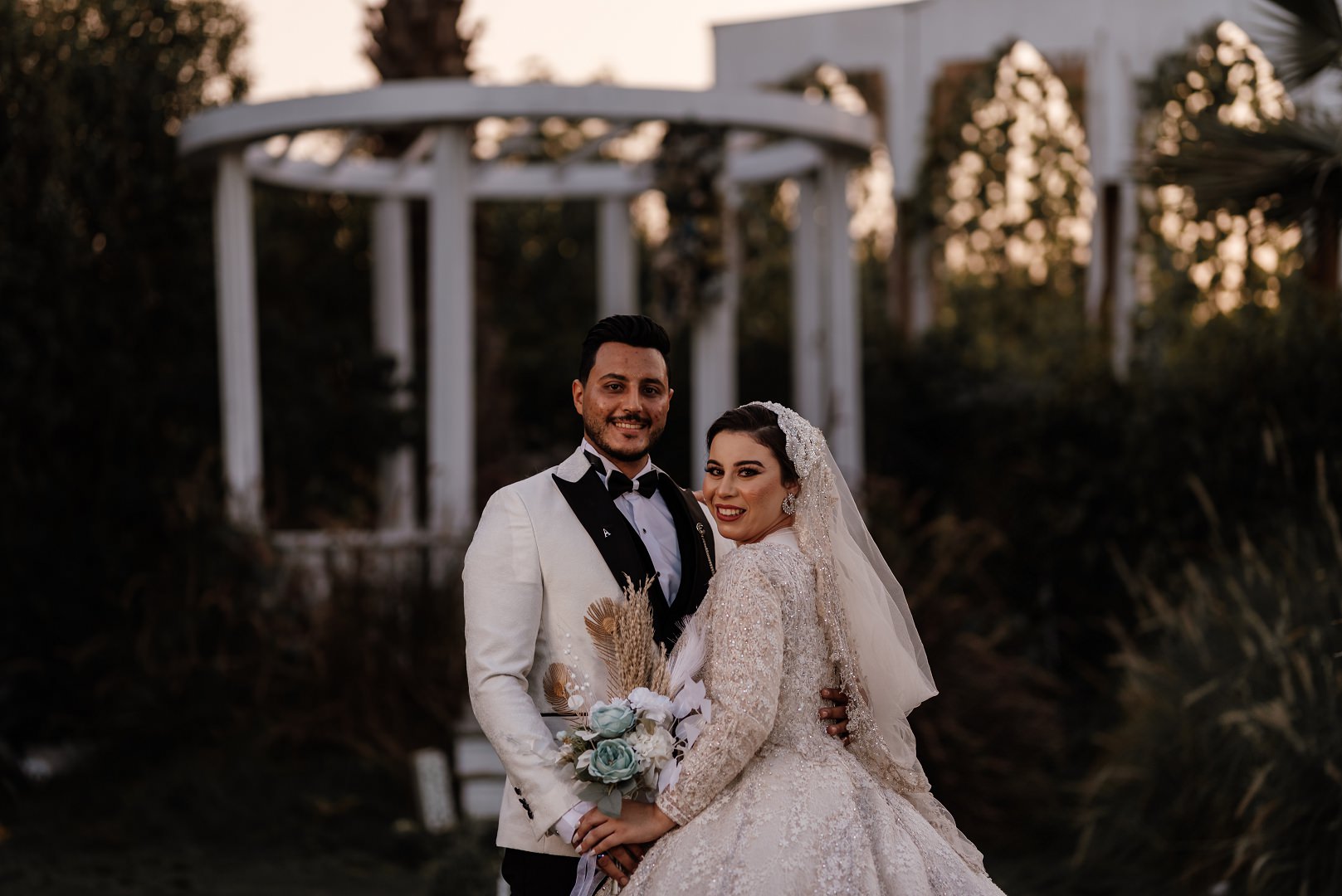
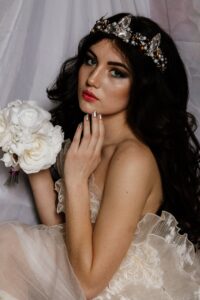
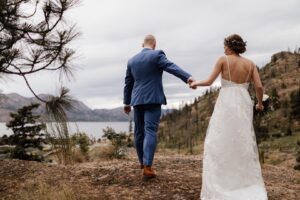
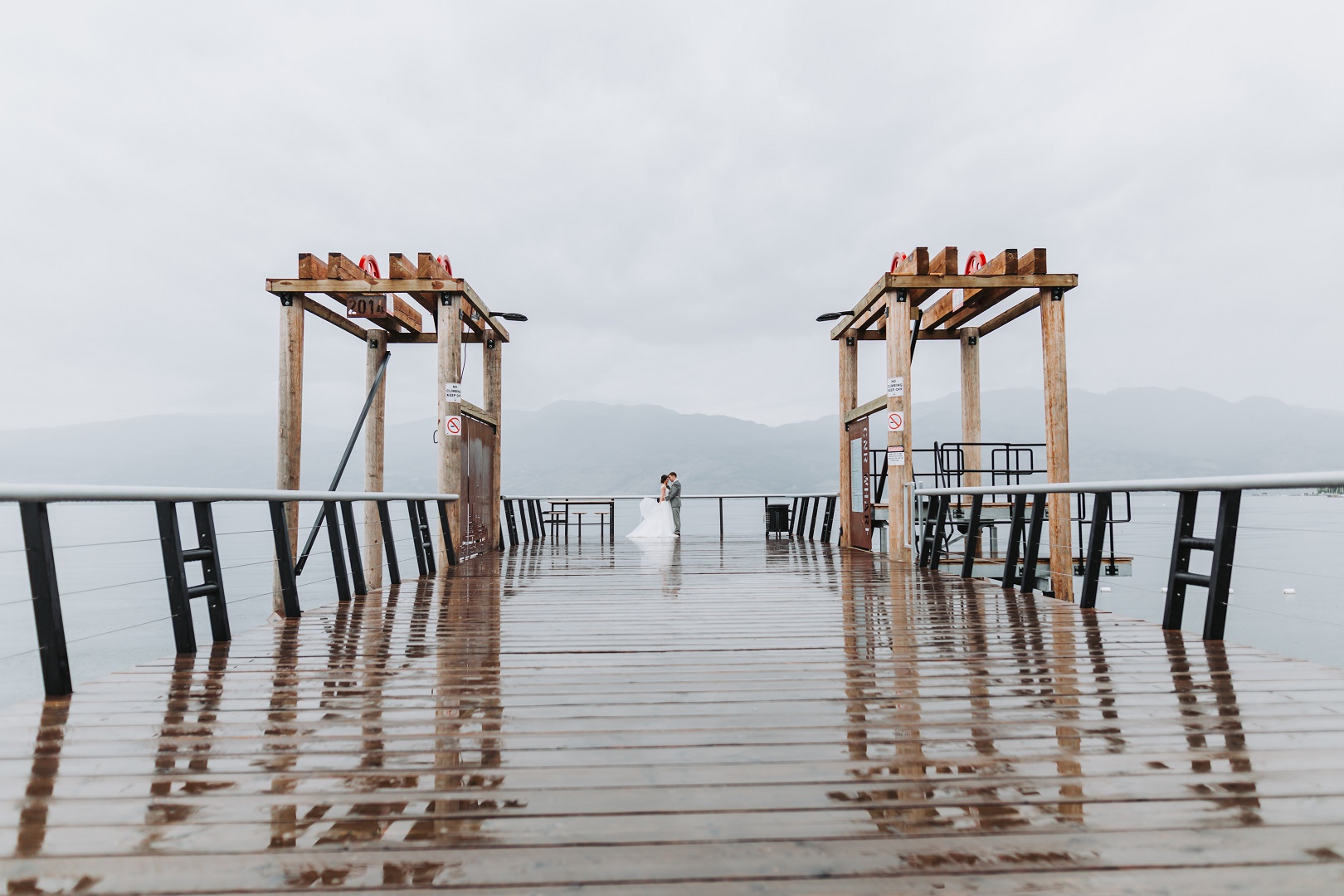
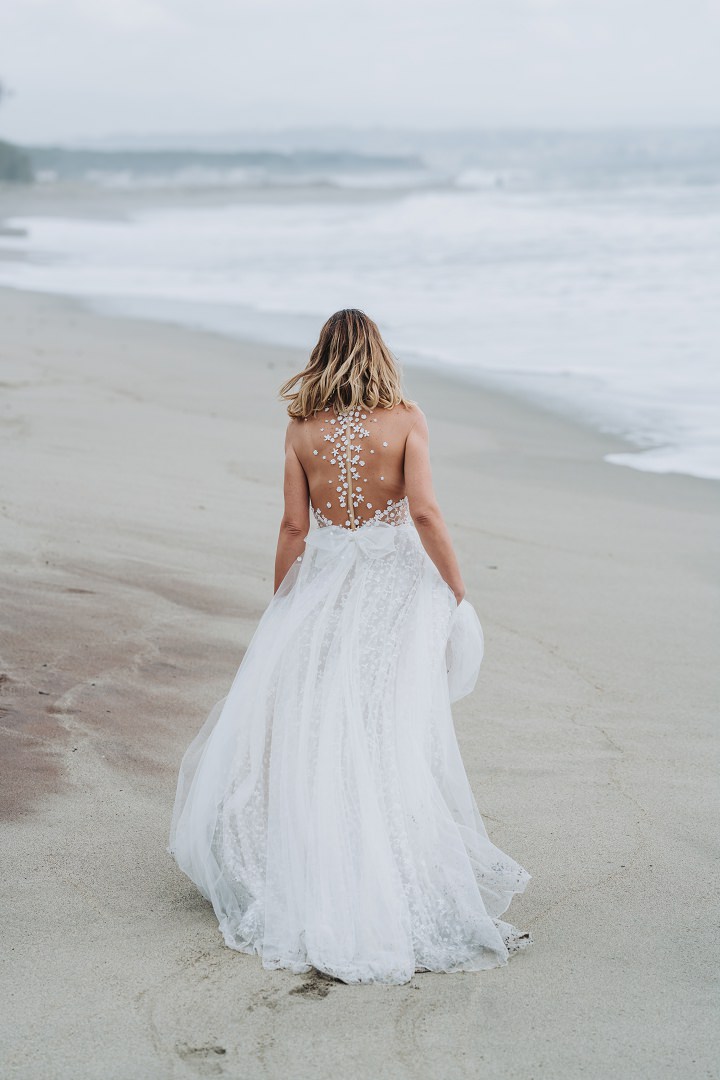
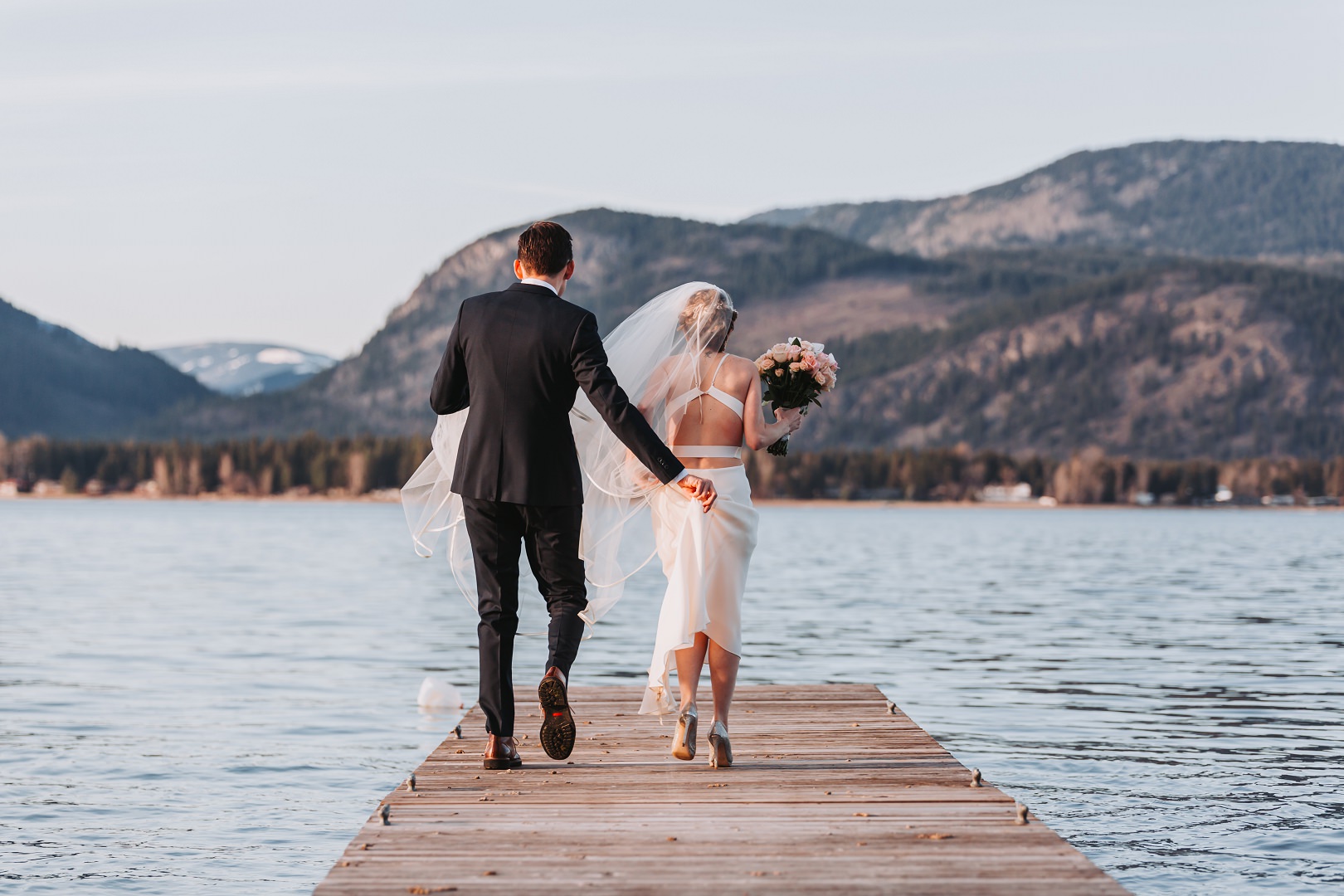
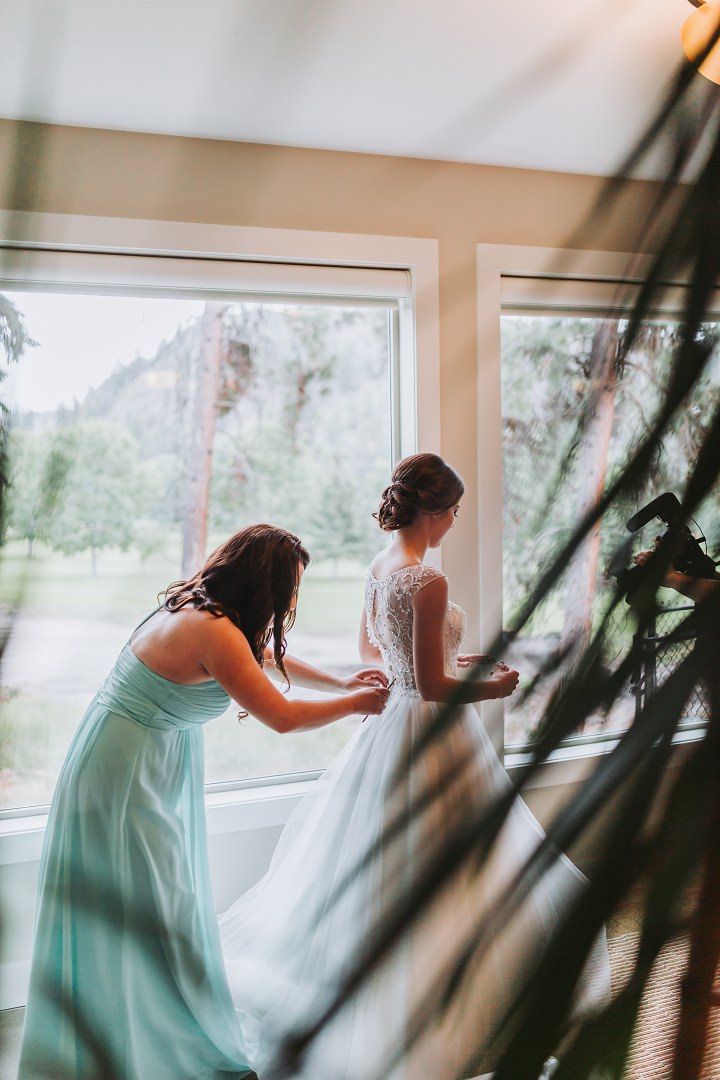
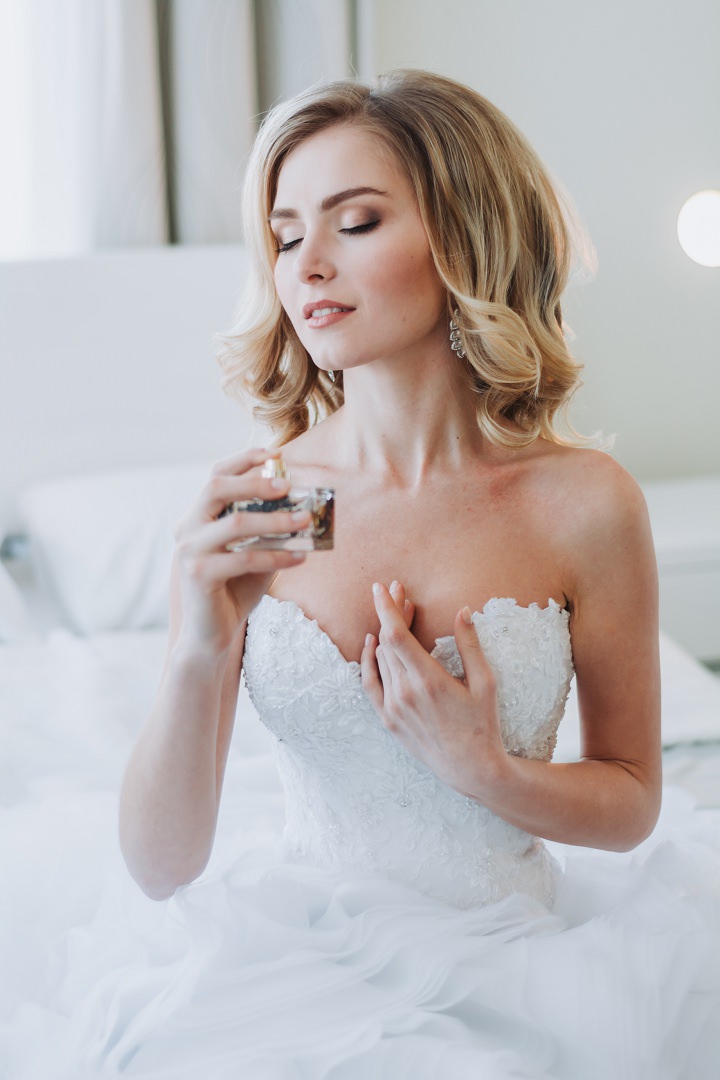
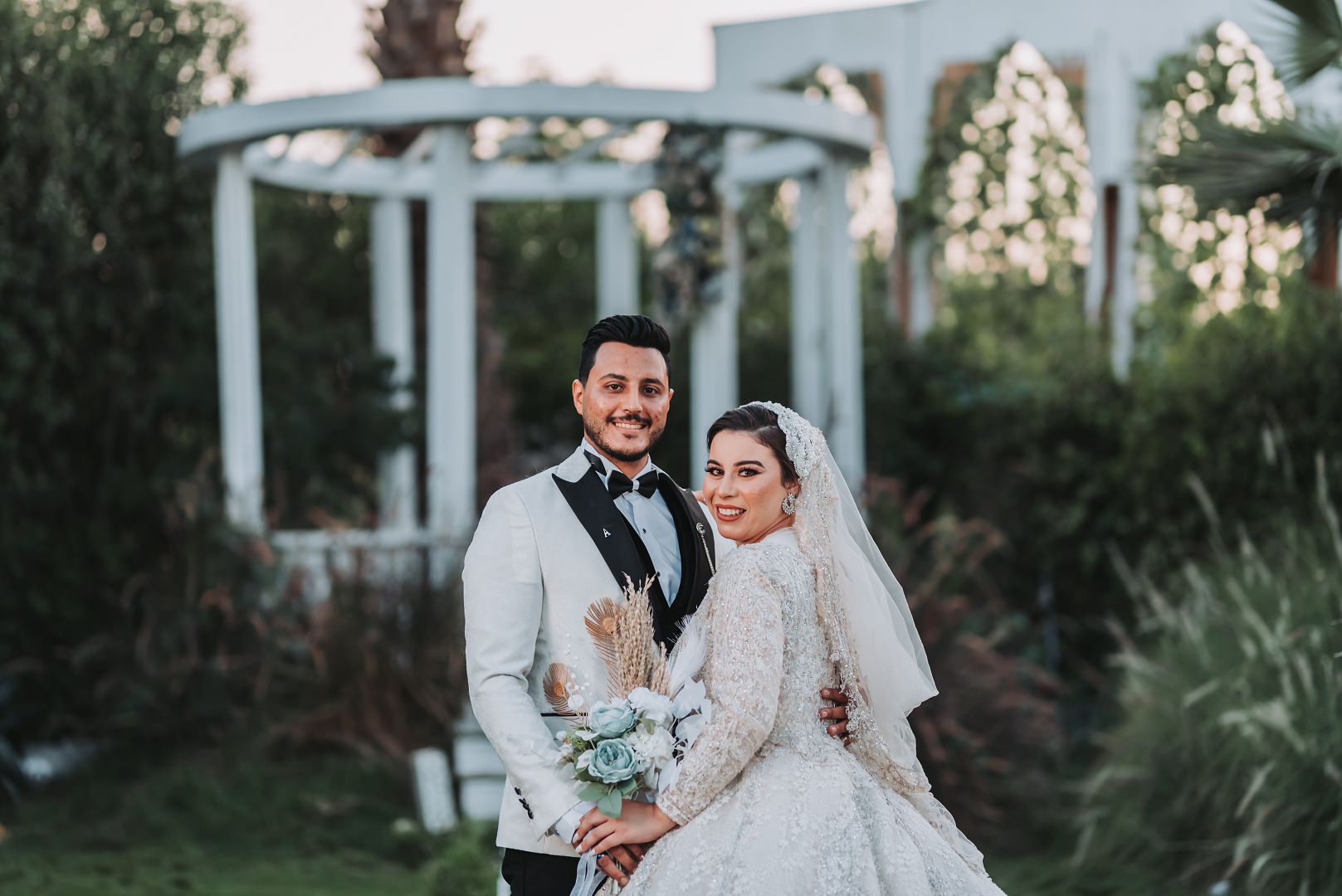
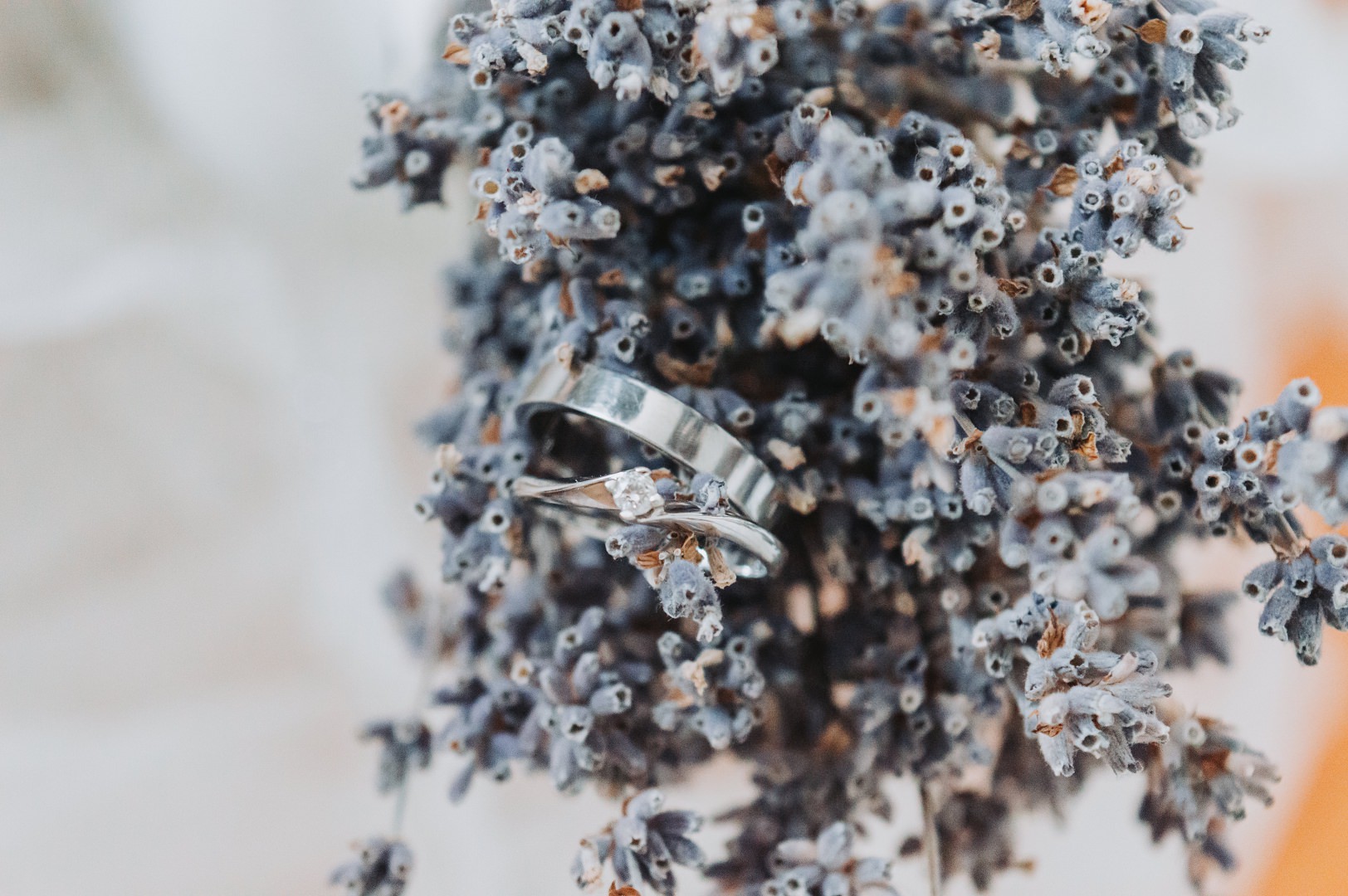
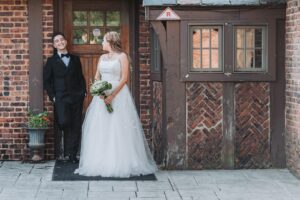
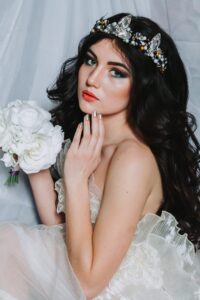
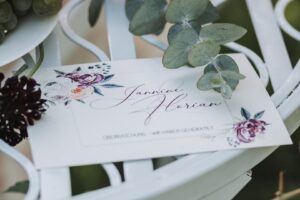
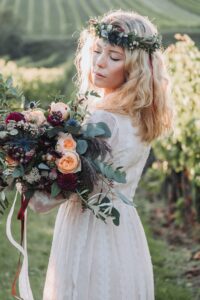
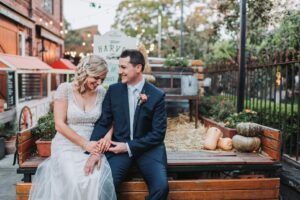
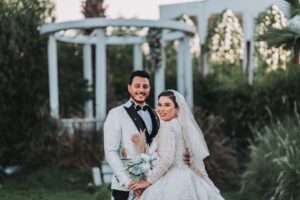
Natural True to Life is Wade’s signature style and is centred on authenticity and restraint, with clean contrast and minimal stylisation. Colours are rendered accurately and skin tones remain realistic, avoiding heavy filters or artificial shifts. Contrast and exposure are refined to reflect how the scene felt in the moment, rather than exaggerating it, preserving depth without losing detail. The result is a clean, timeless finish where light, colour, and emotion appear as they were experienced, allowing the story and connection within each image to take precedence over stylistic effects.
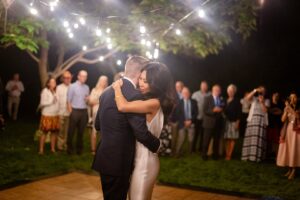
Exposure is balanced and honest, highlights are bright but controlled, and shadows retain depth without being crushed or lifted excessively. There’s no matte effect here; blacks are clean and grounded, giving the images a crisp, modern finish. Contrast is slightly more pronounced than in filmic styles, which adds clarity and separation without feeling harsh.





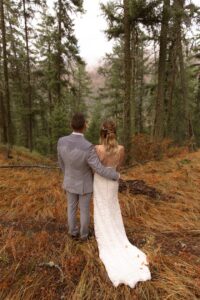
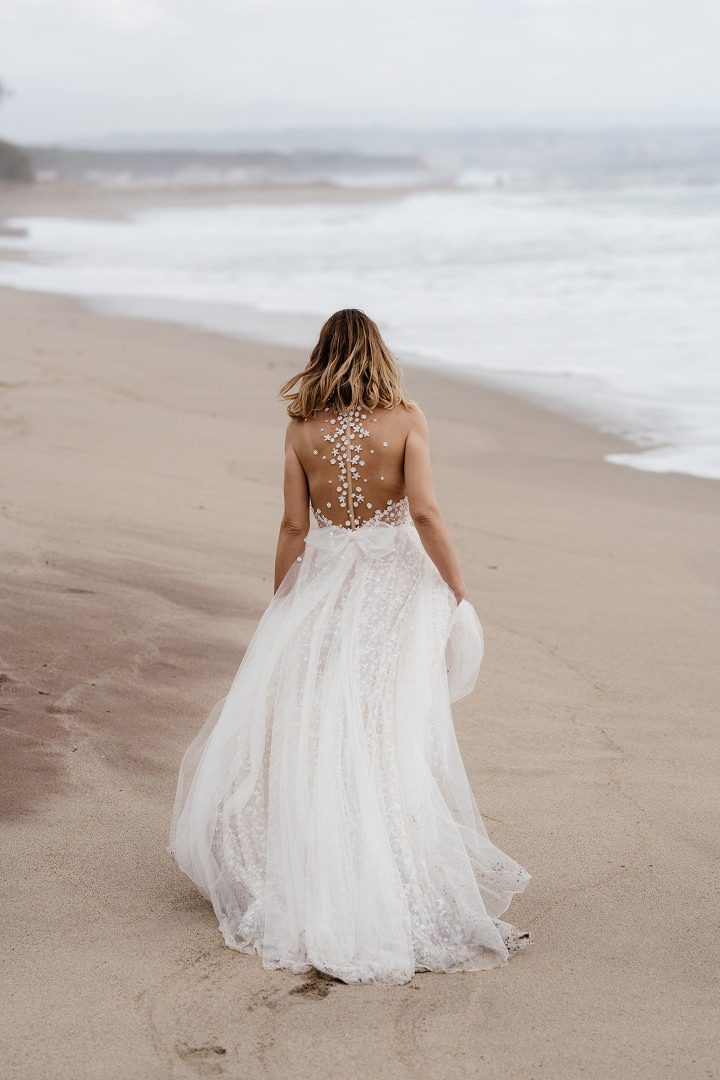
Vintage
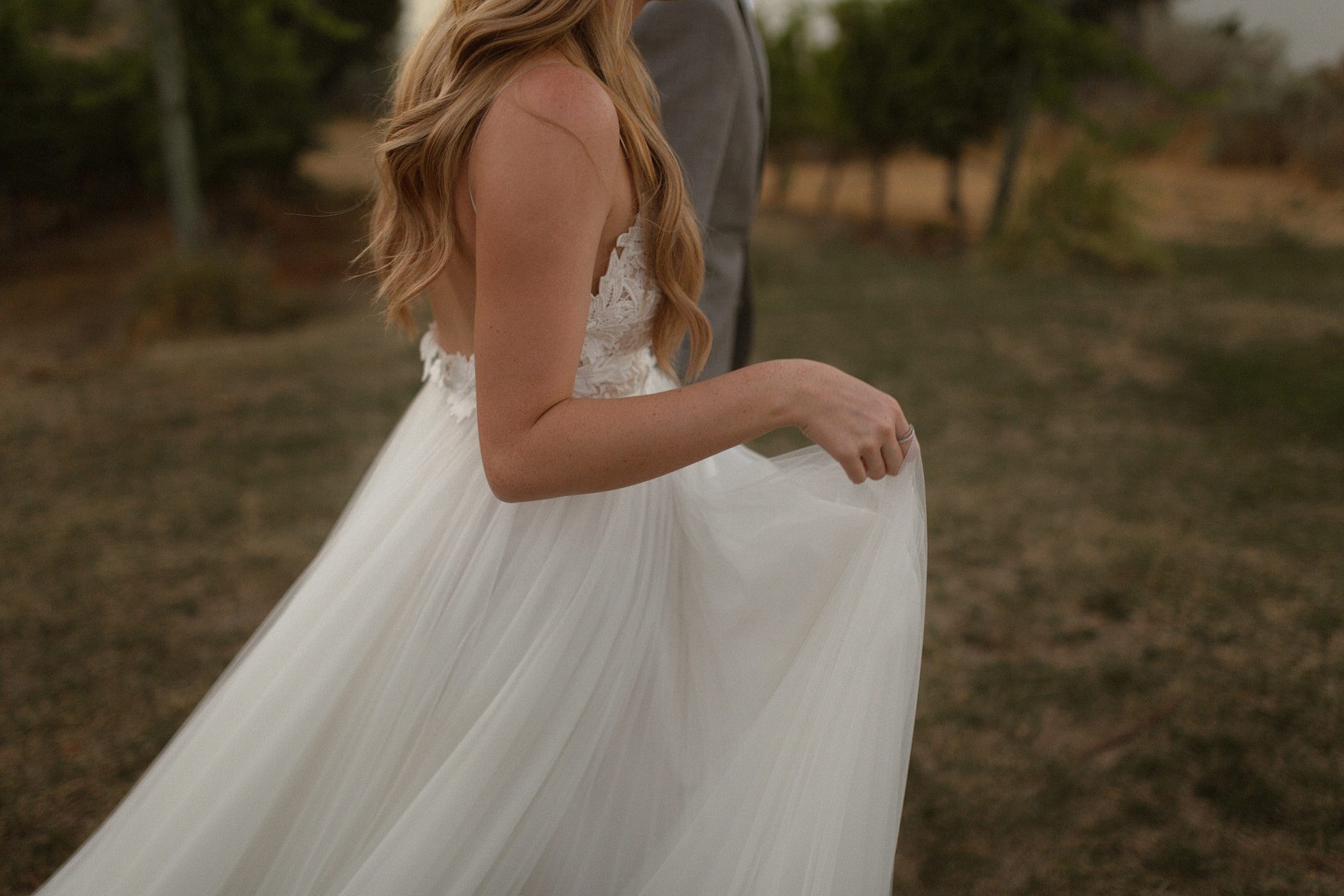
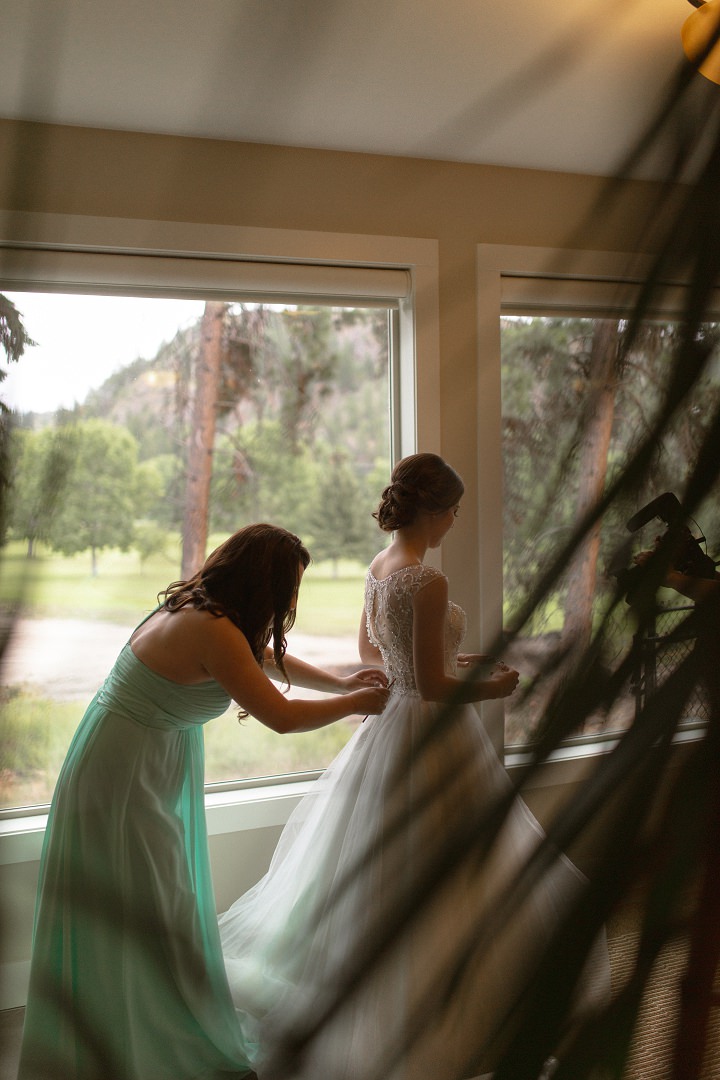
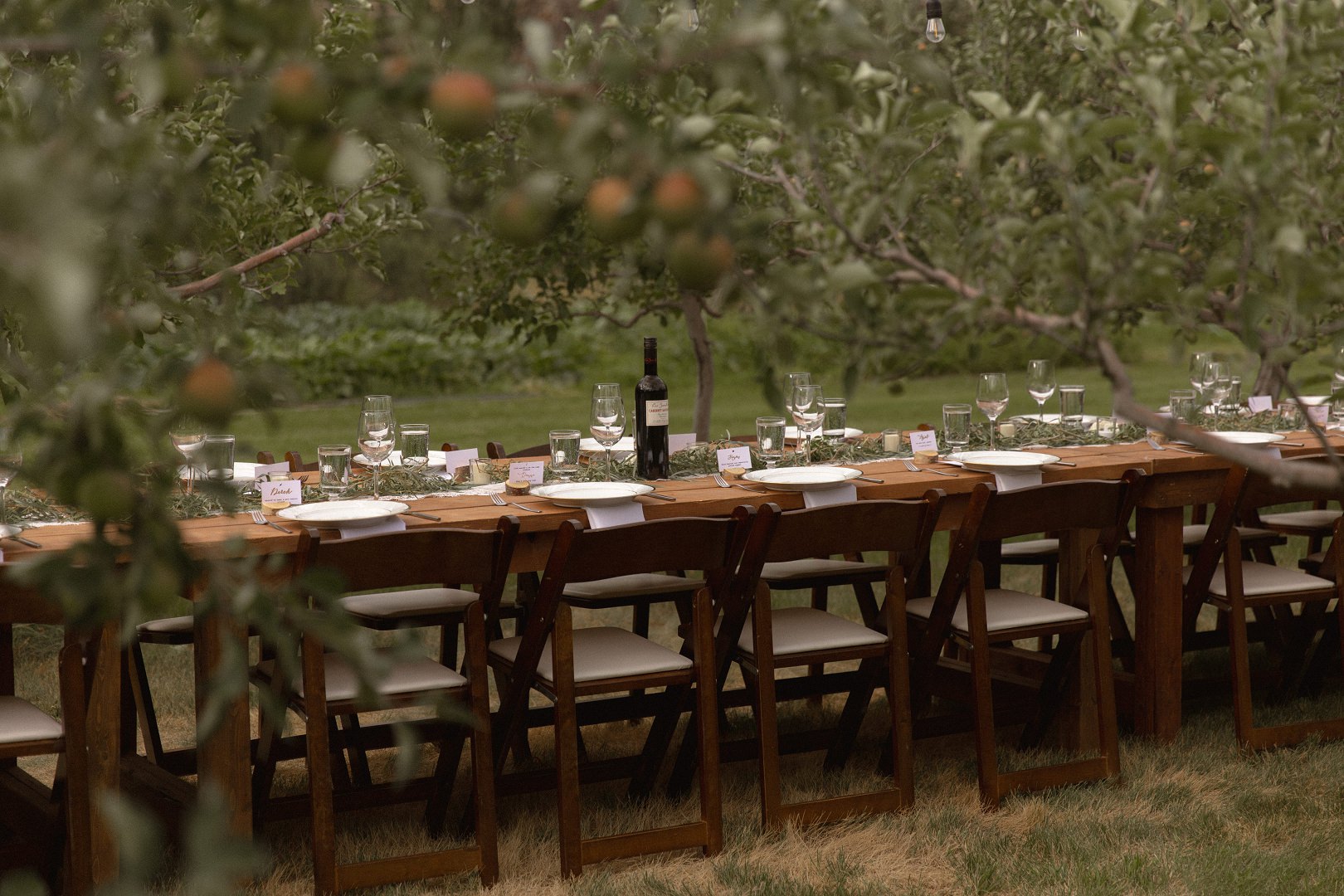
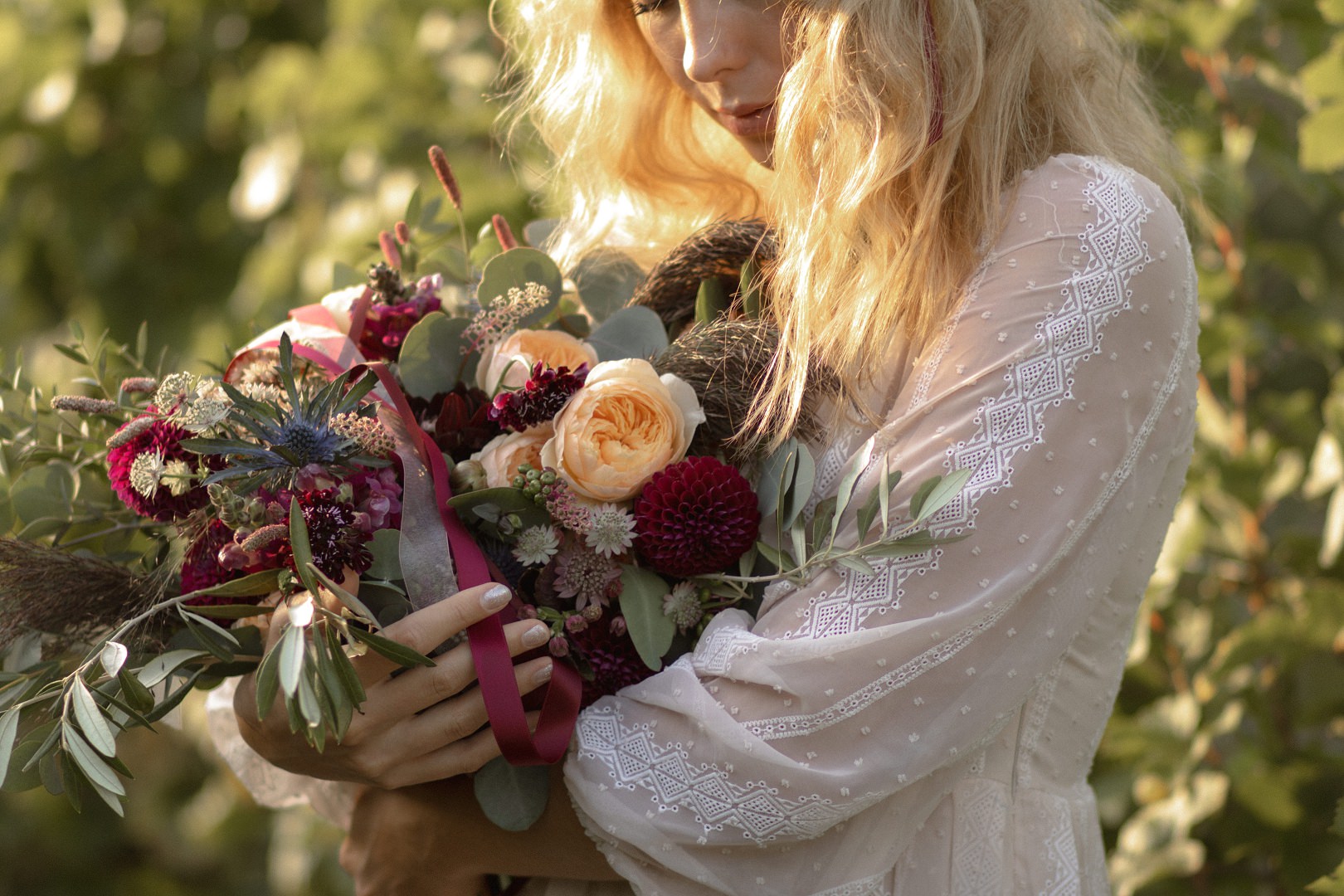
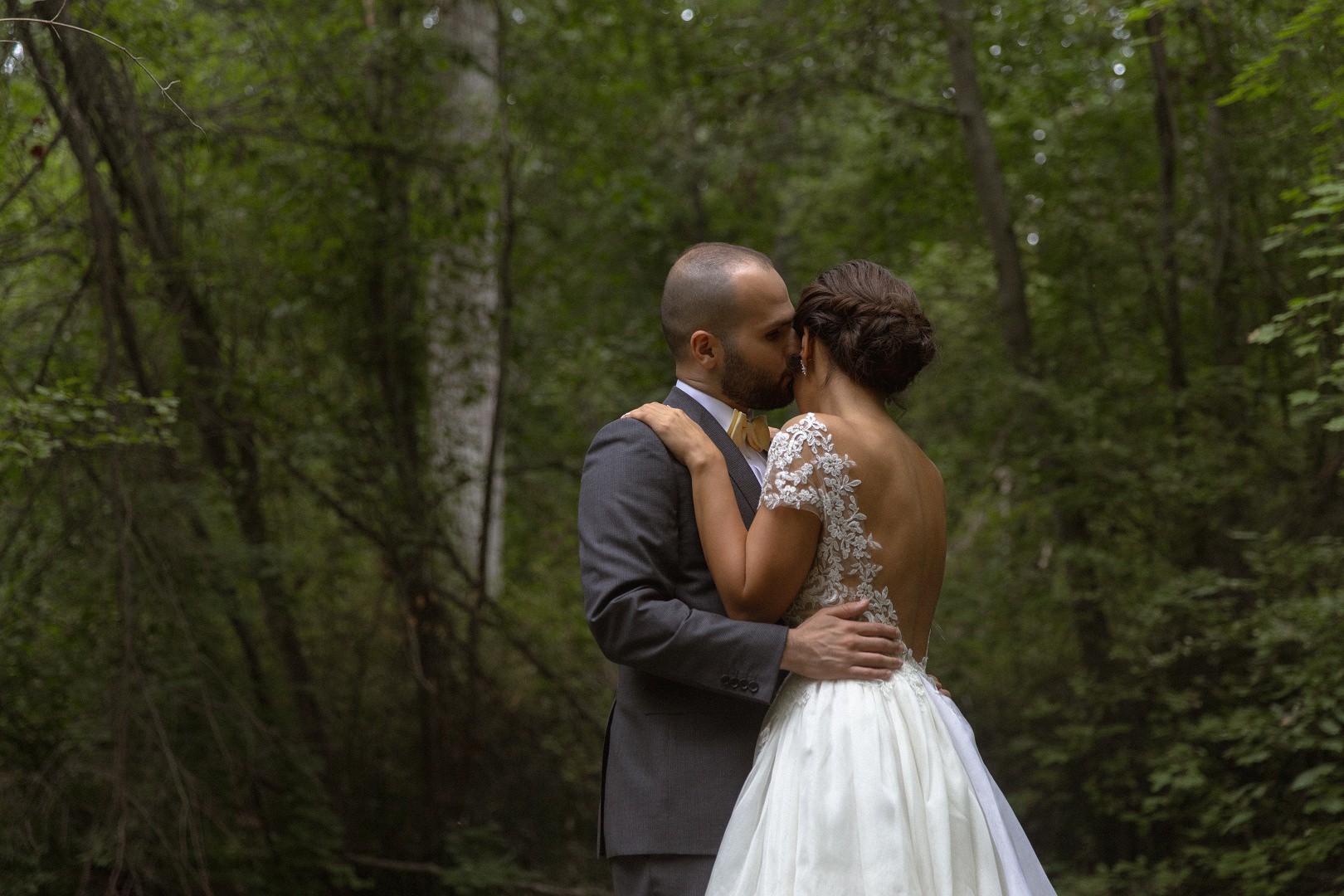
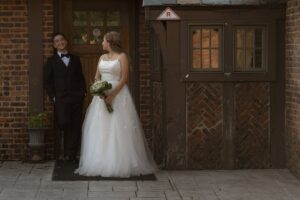
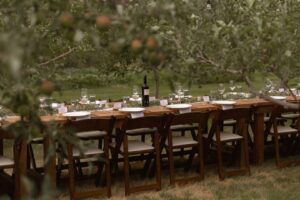
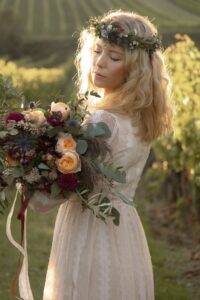
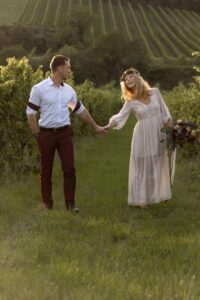
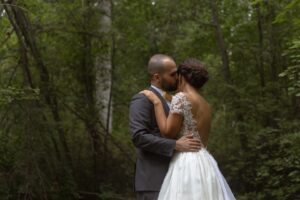
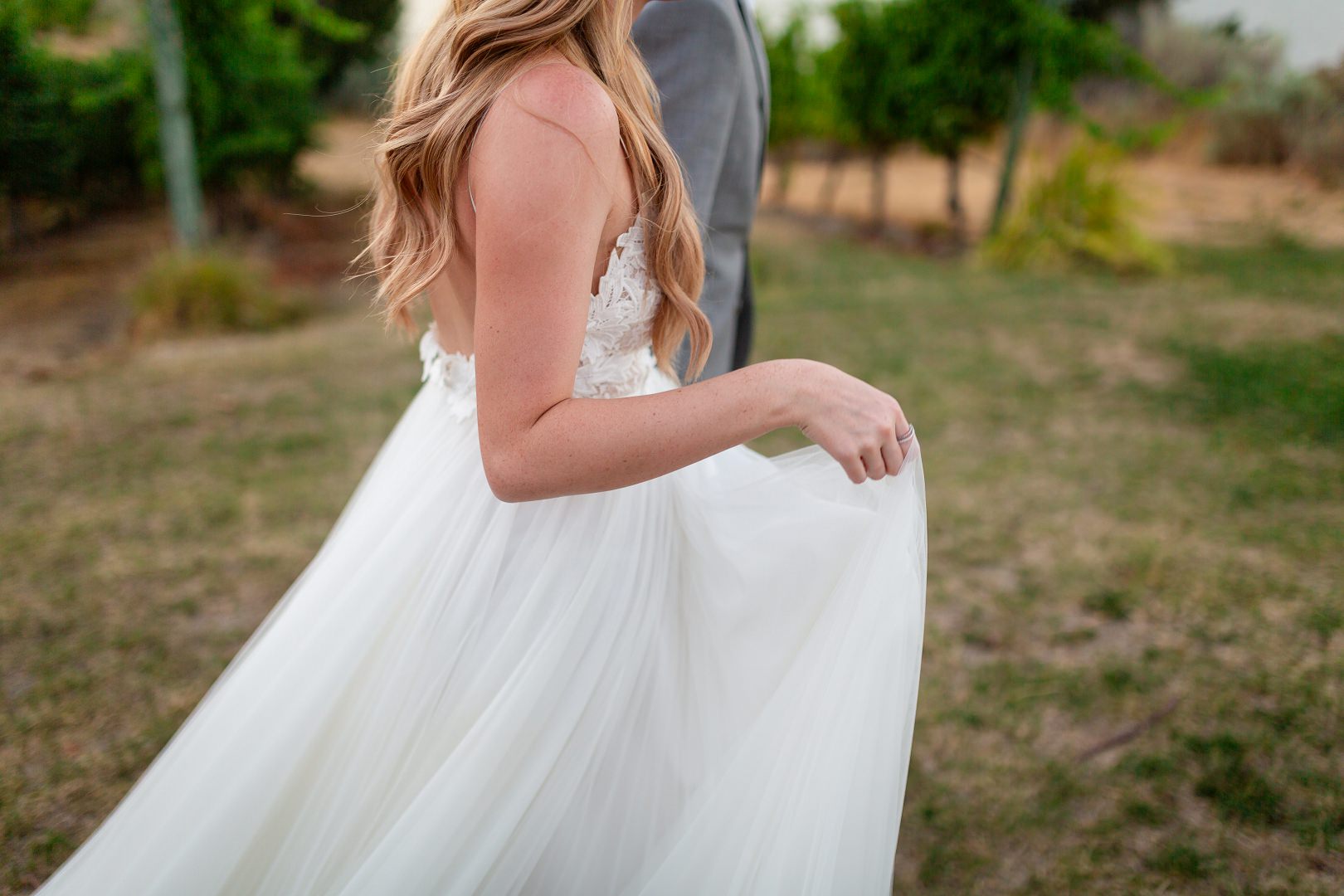
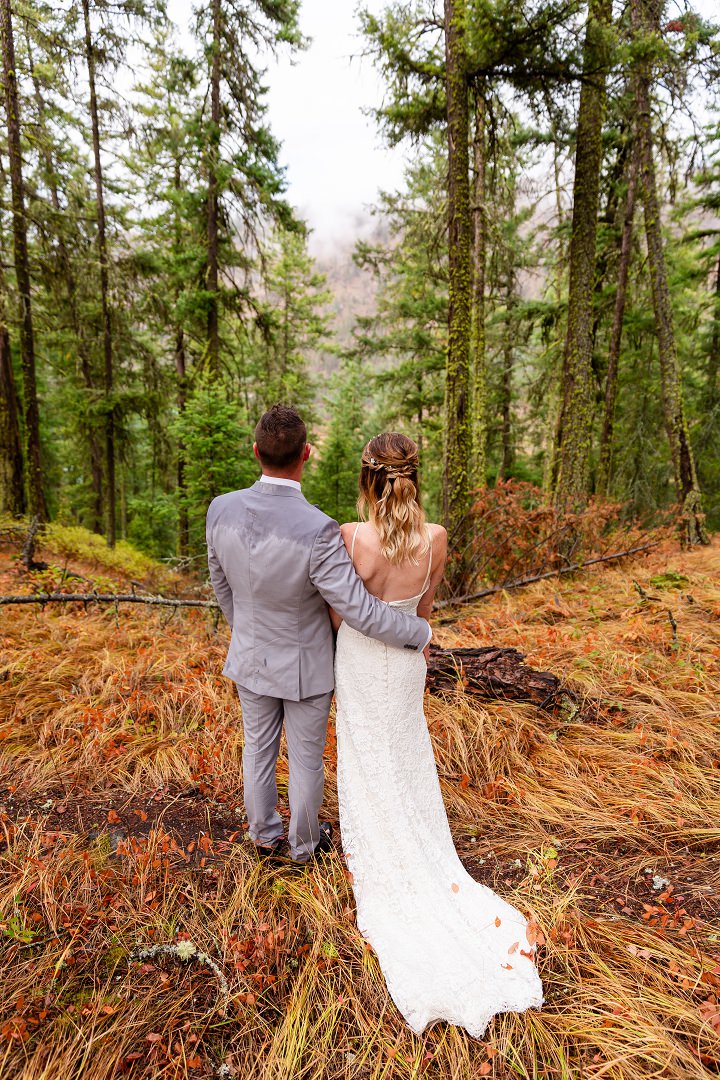
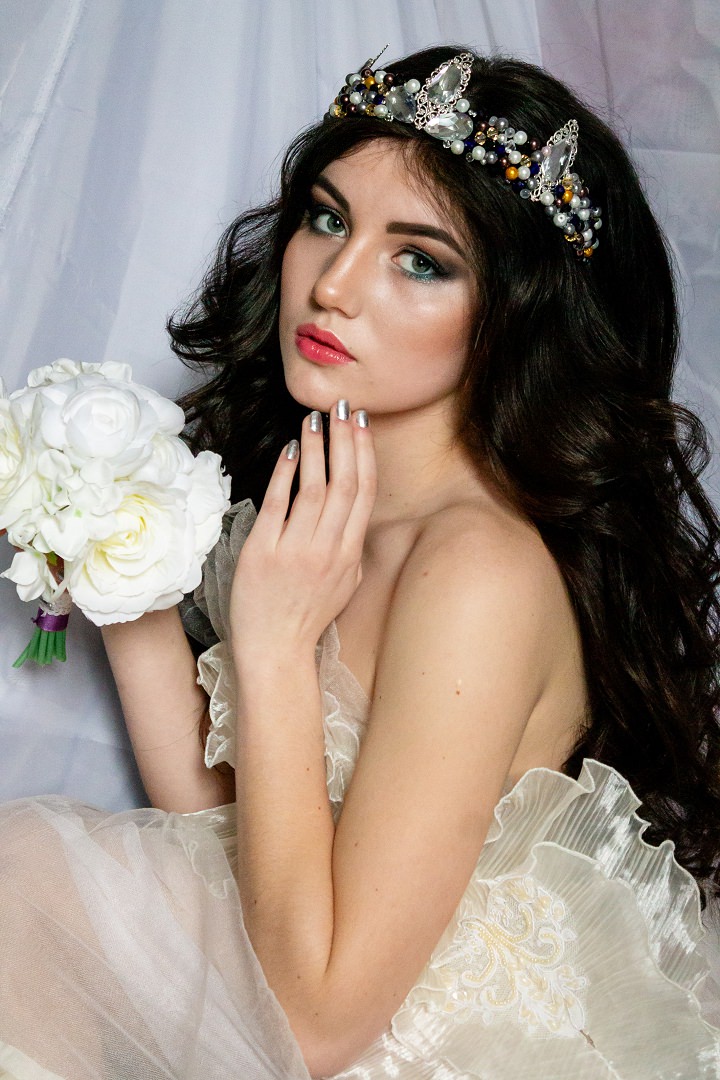
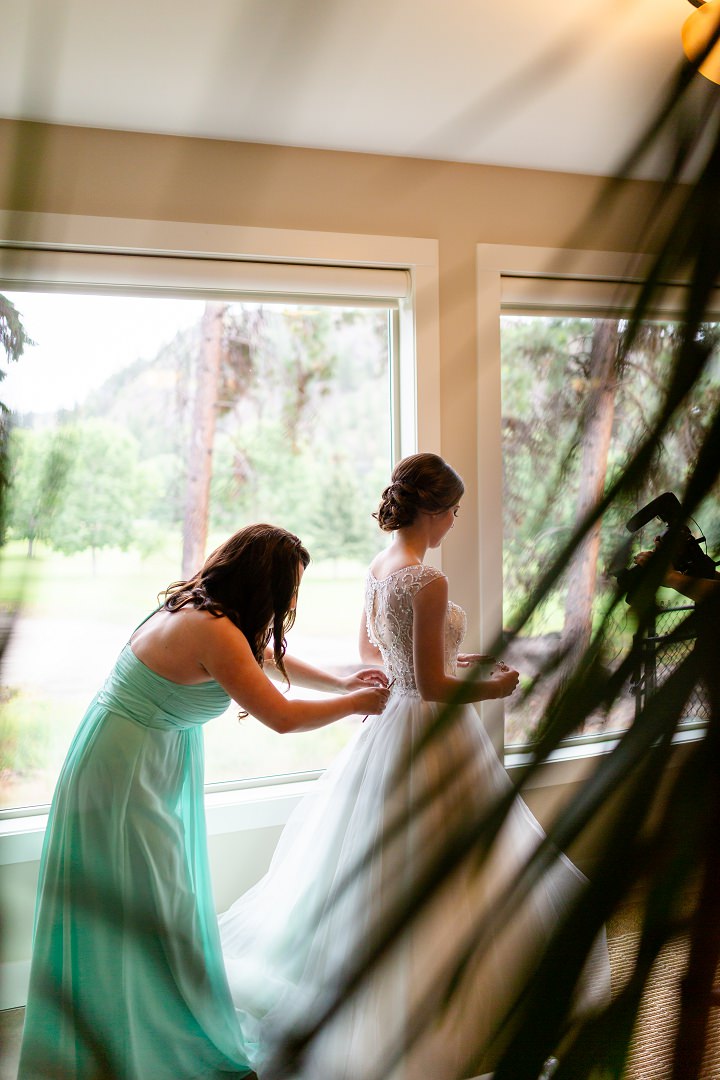
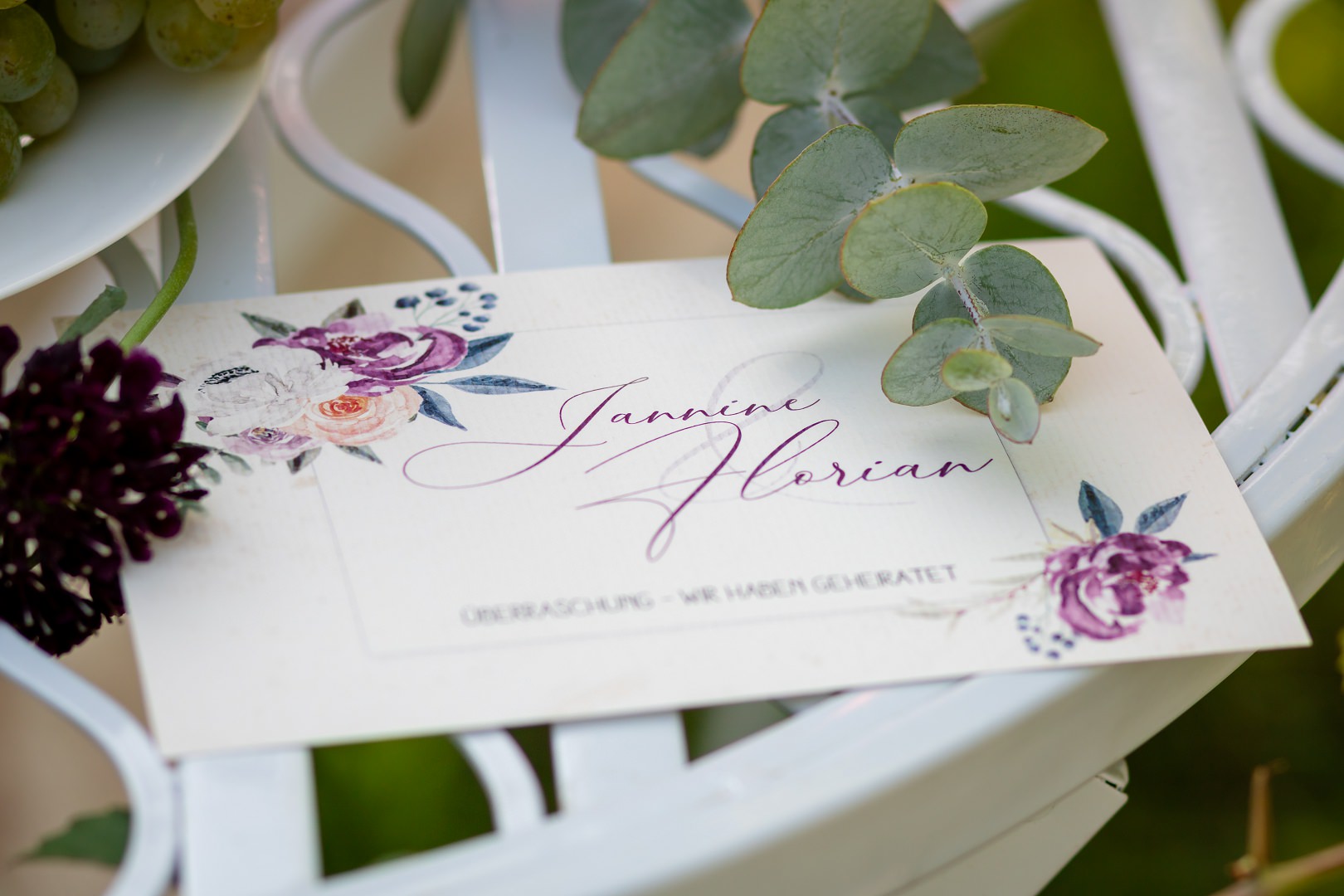
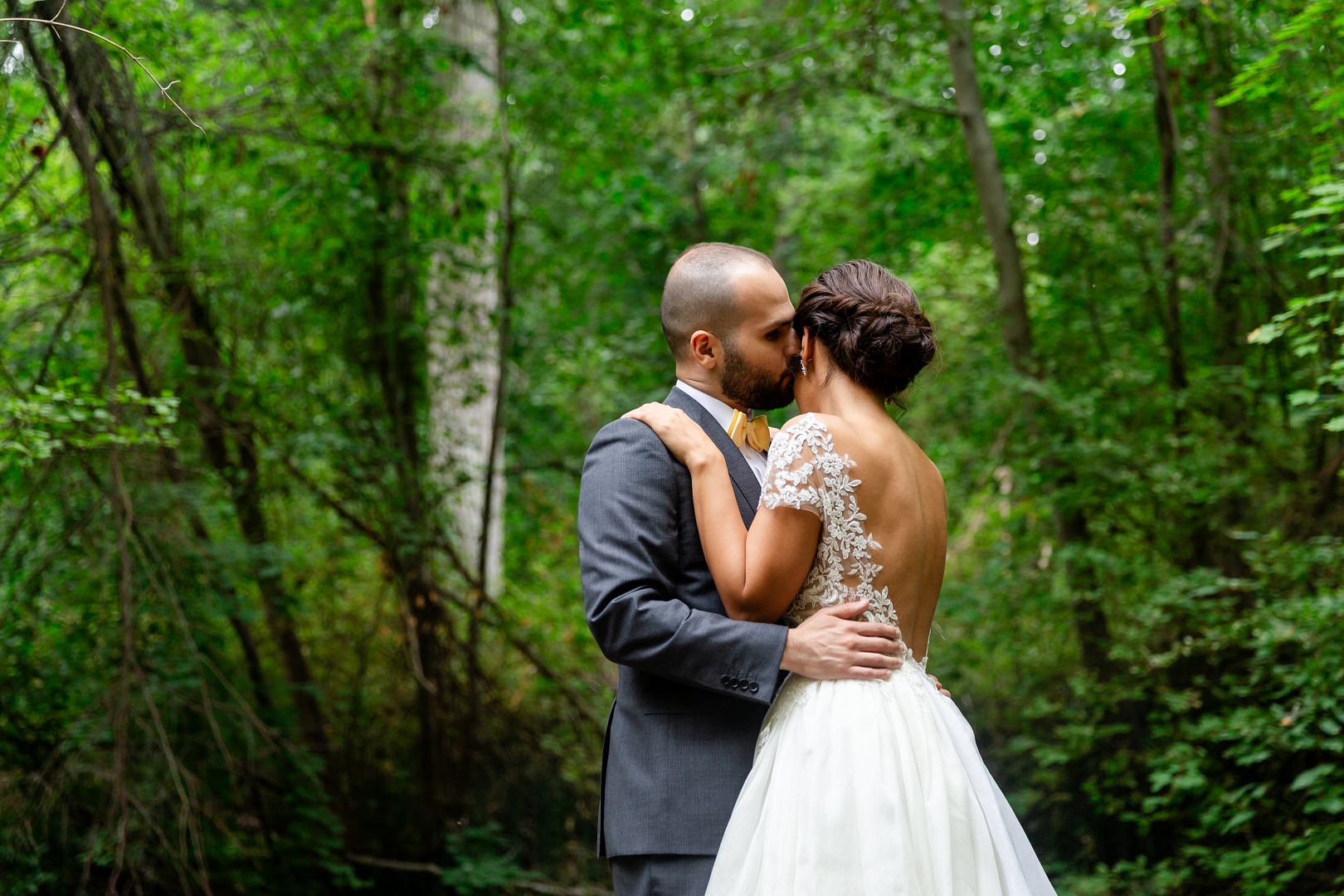
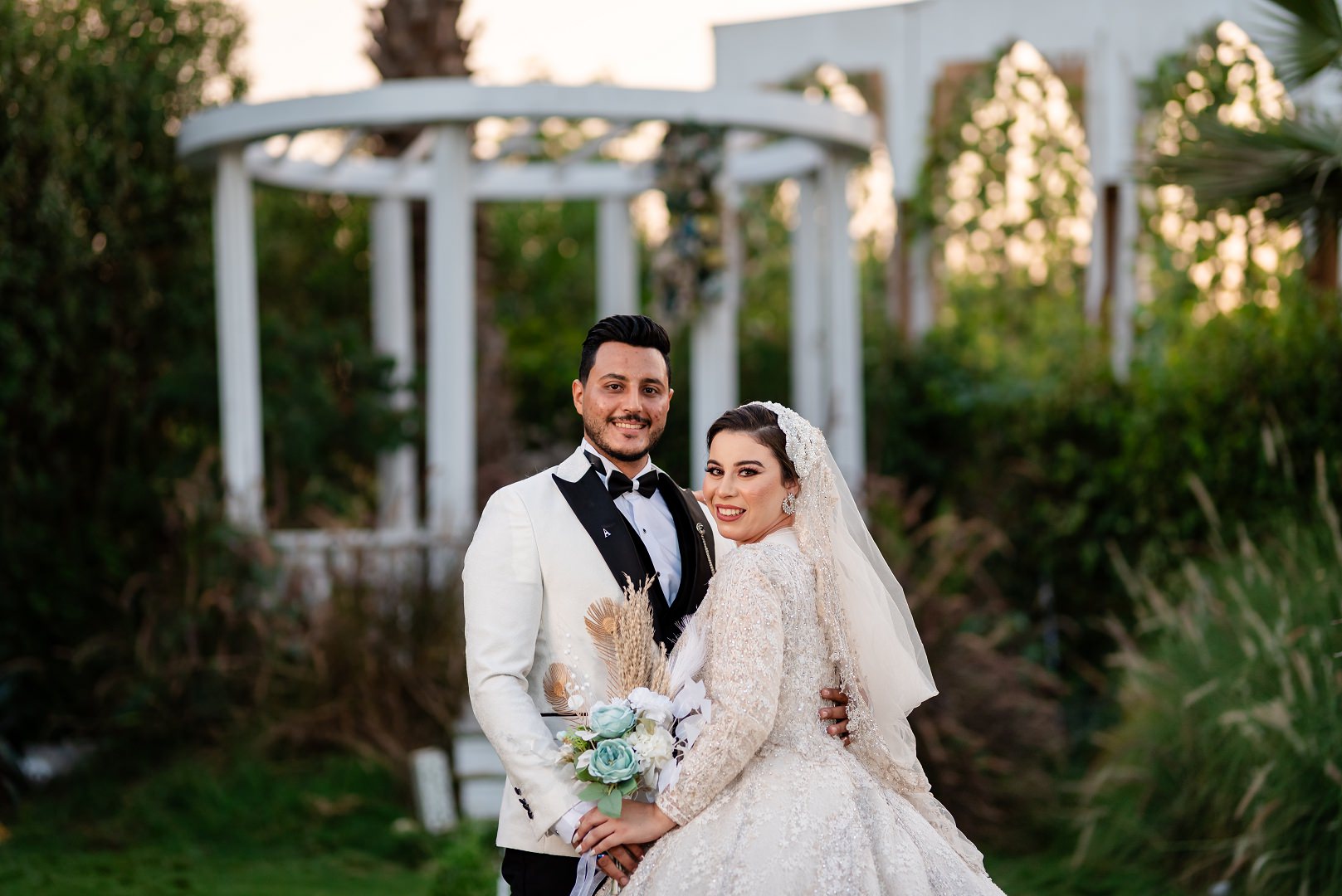
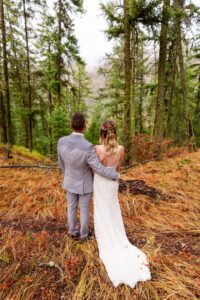
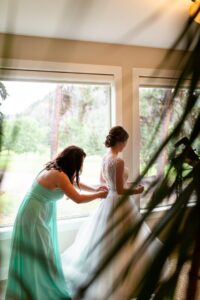
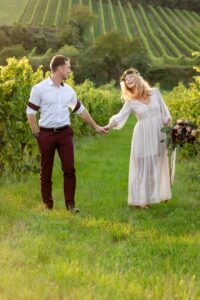
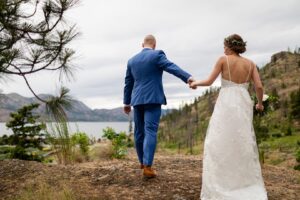
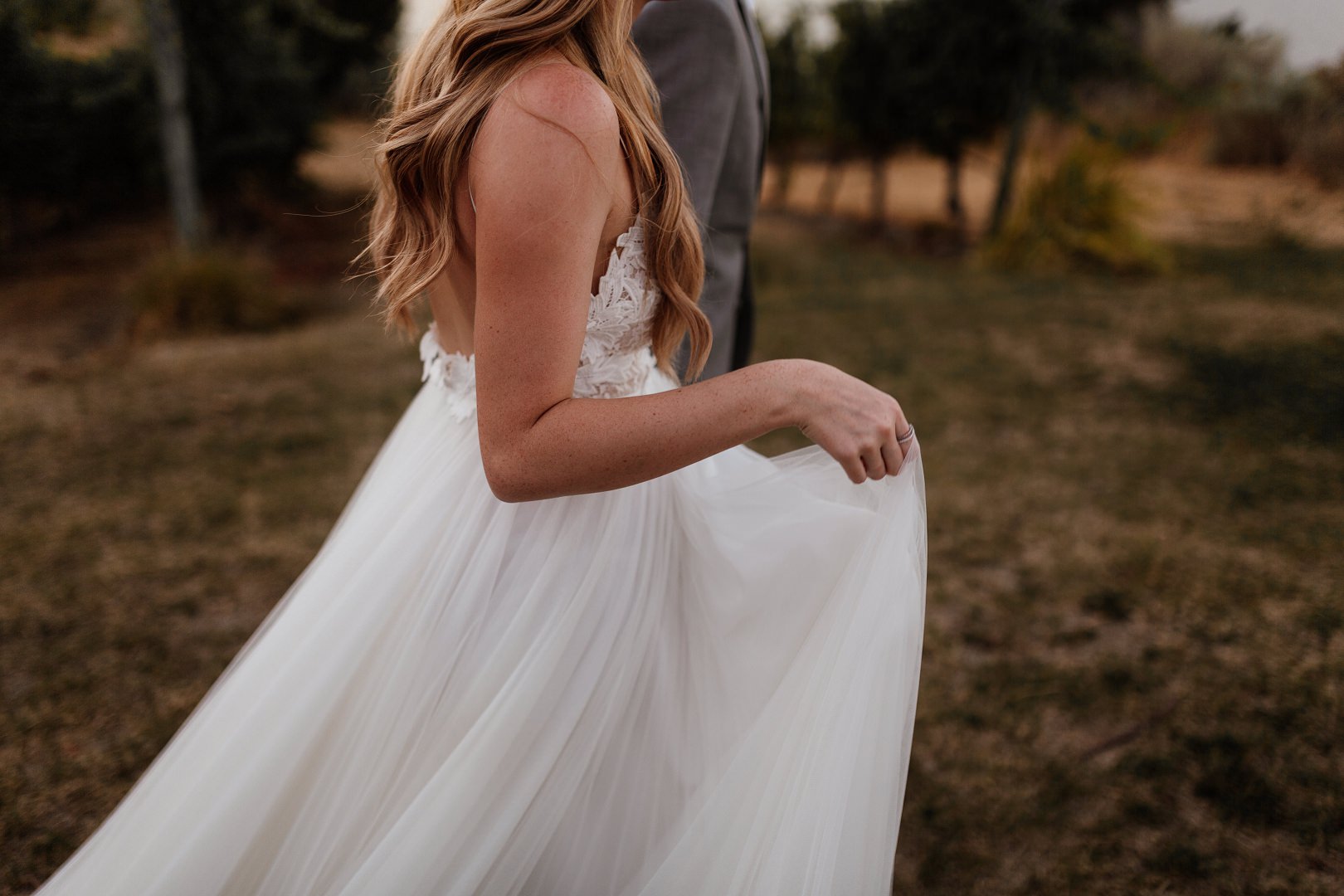
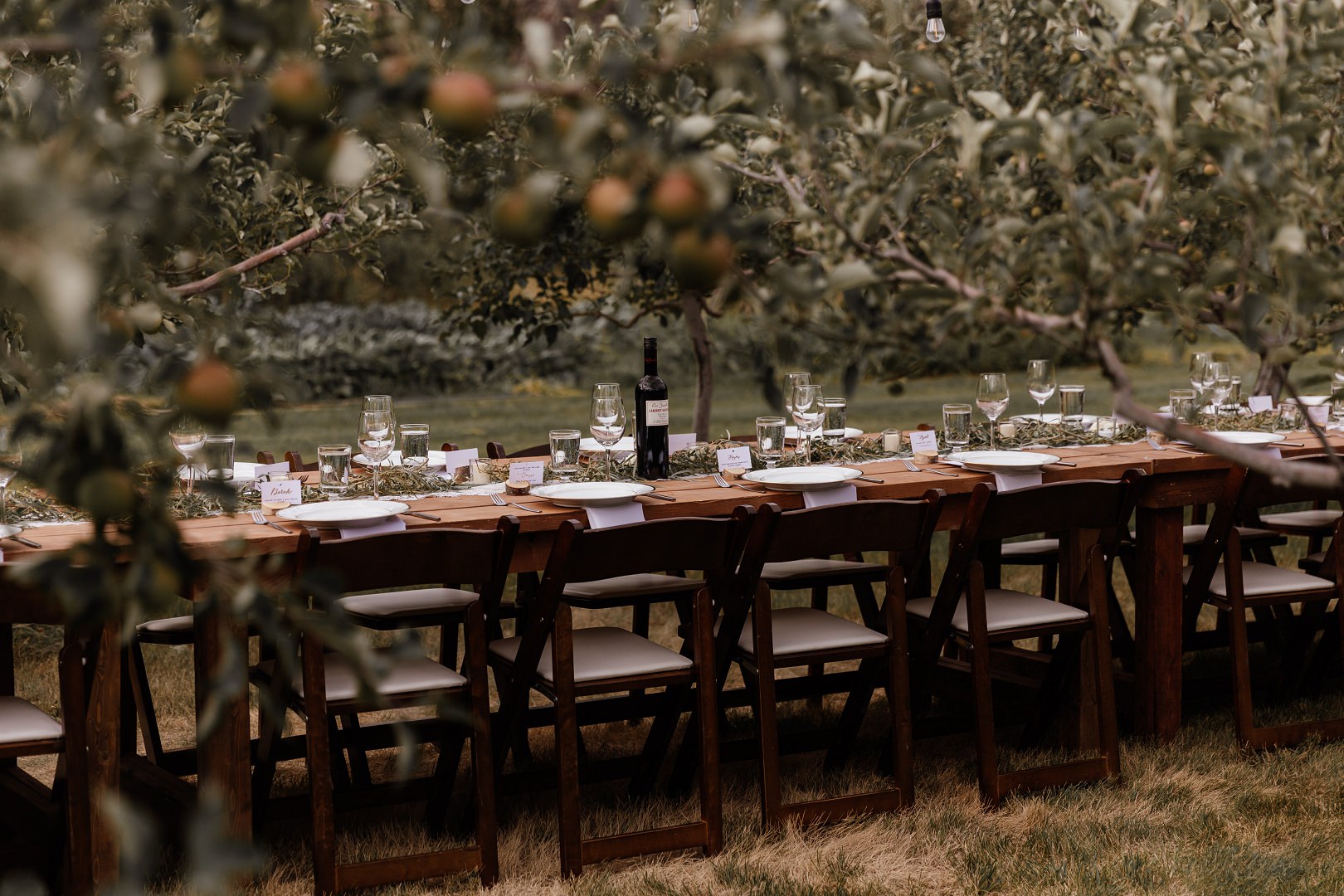
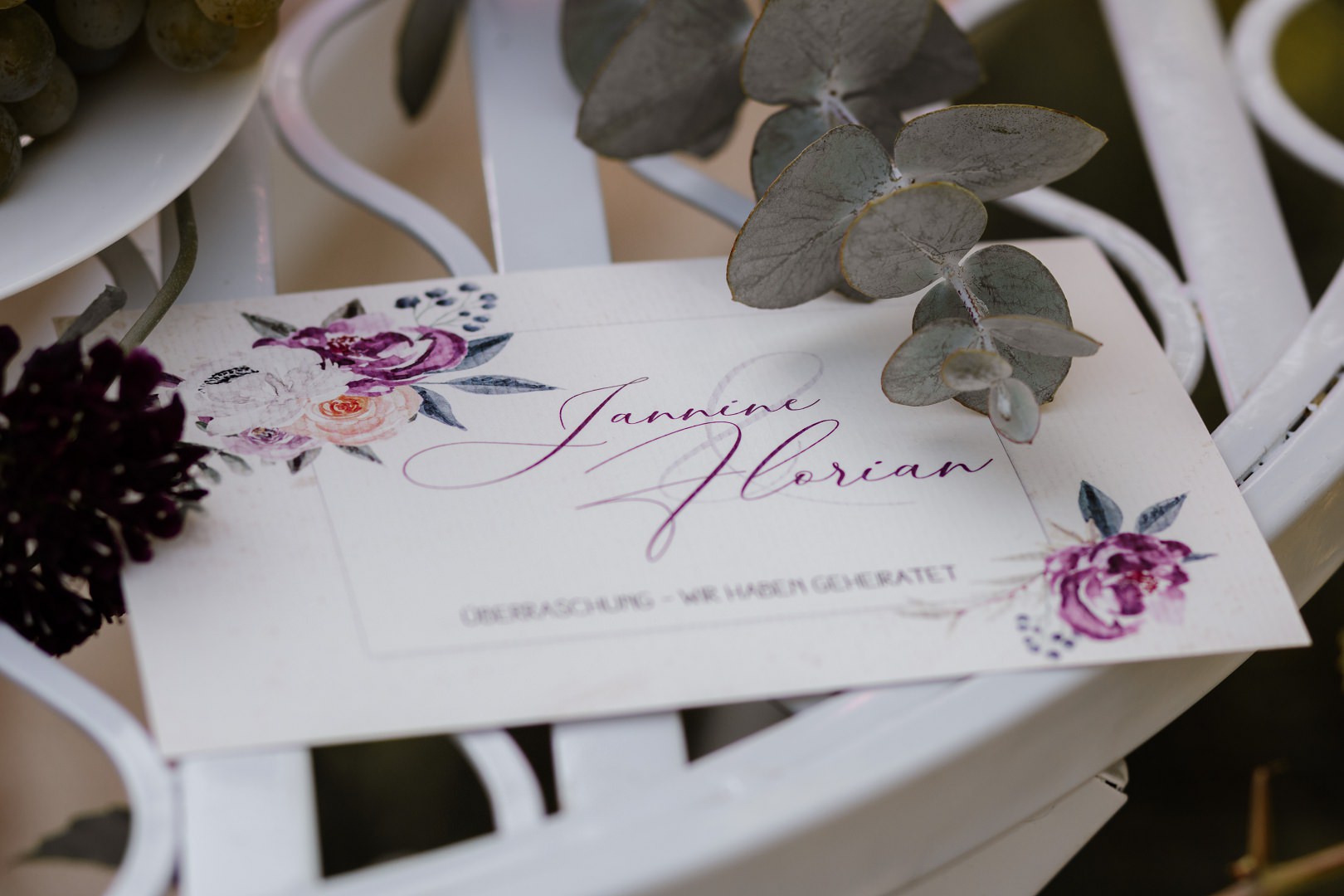
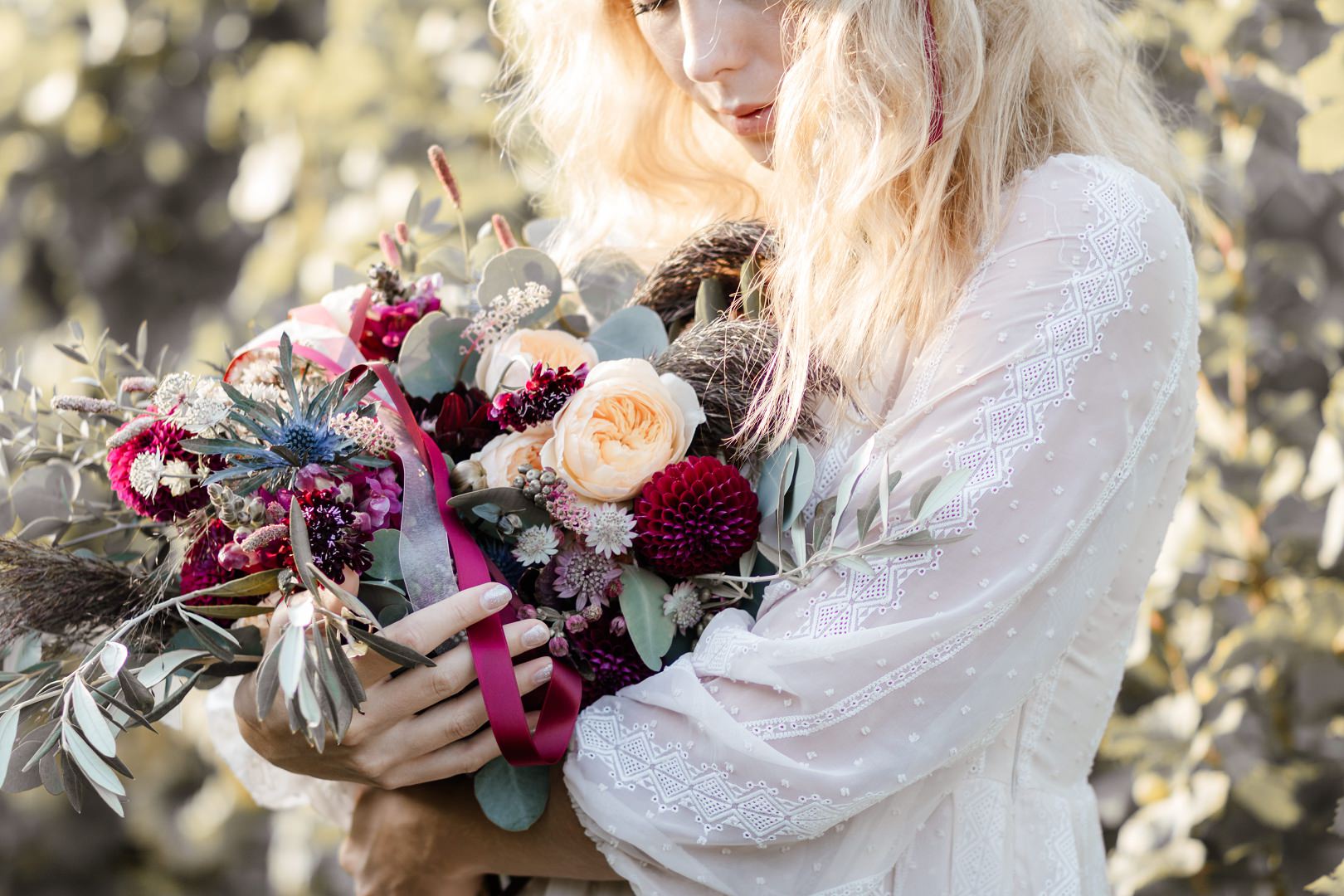
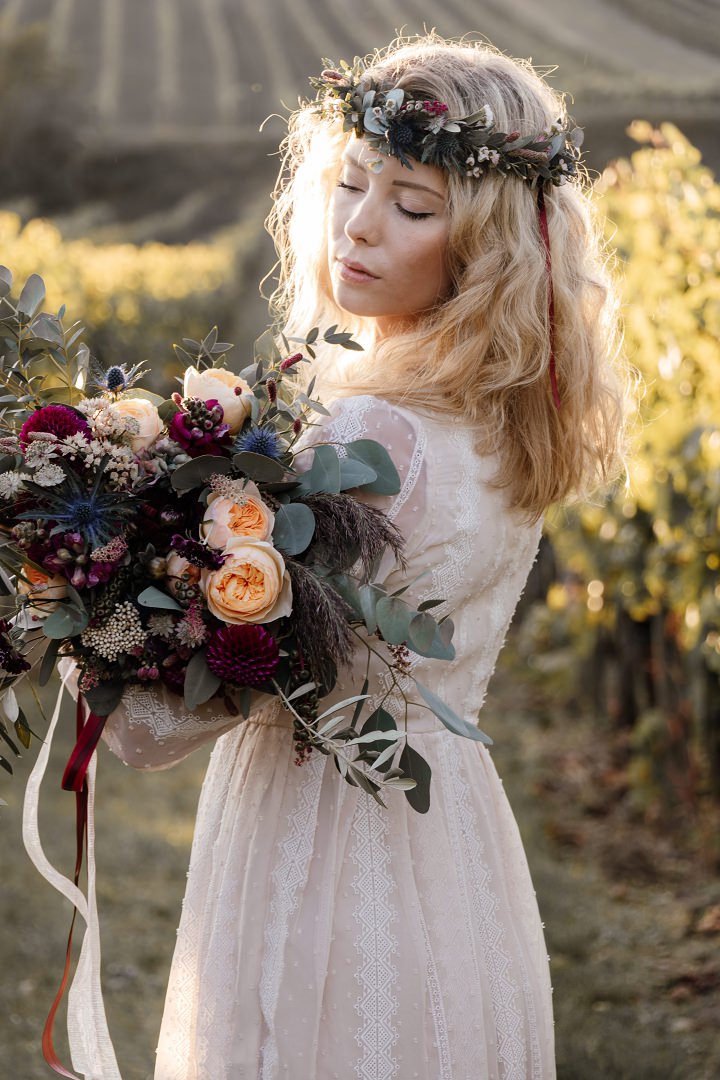
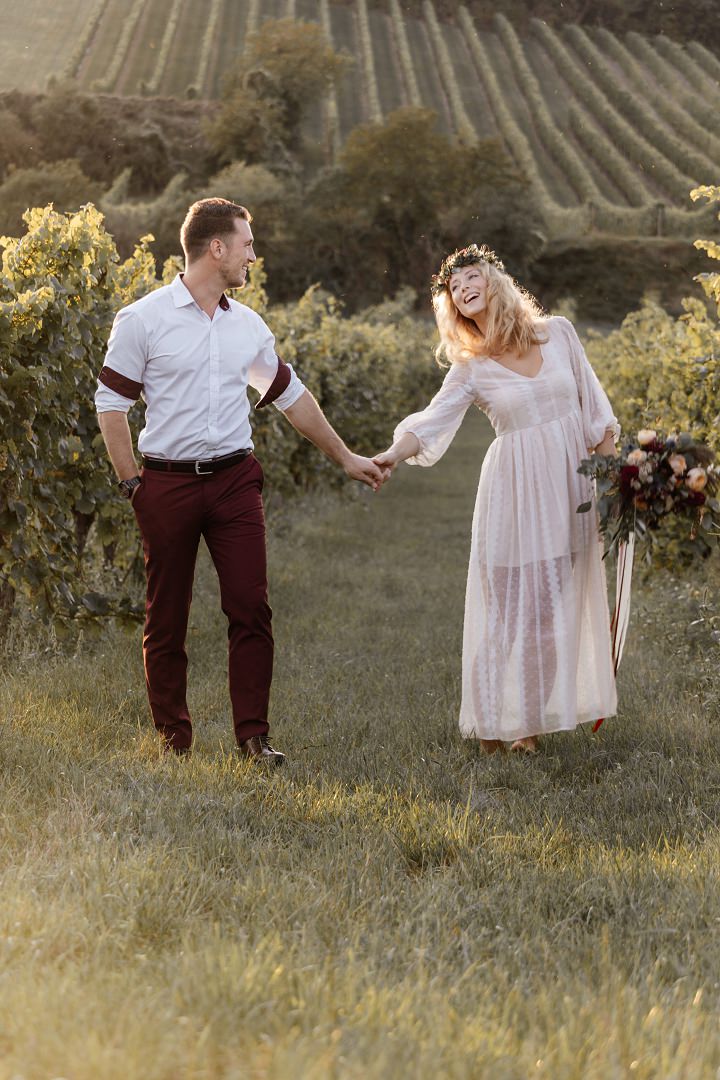
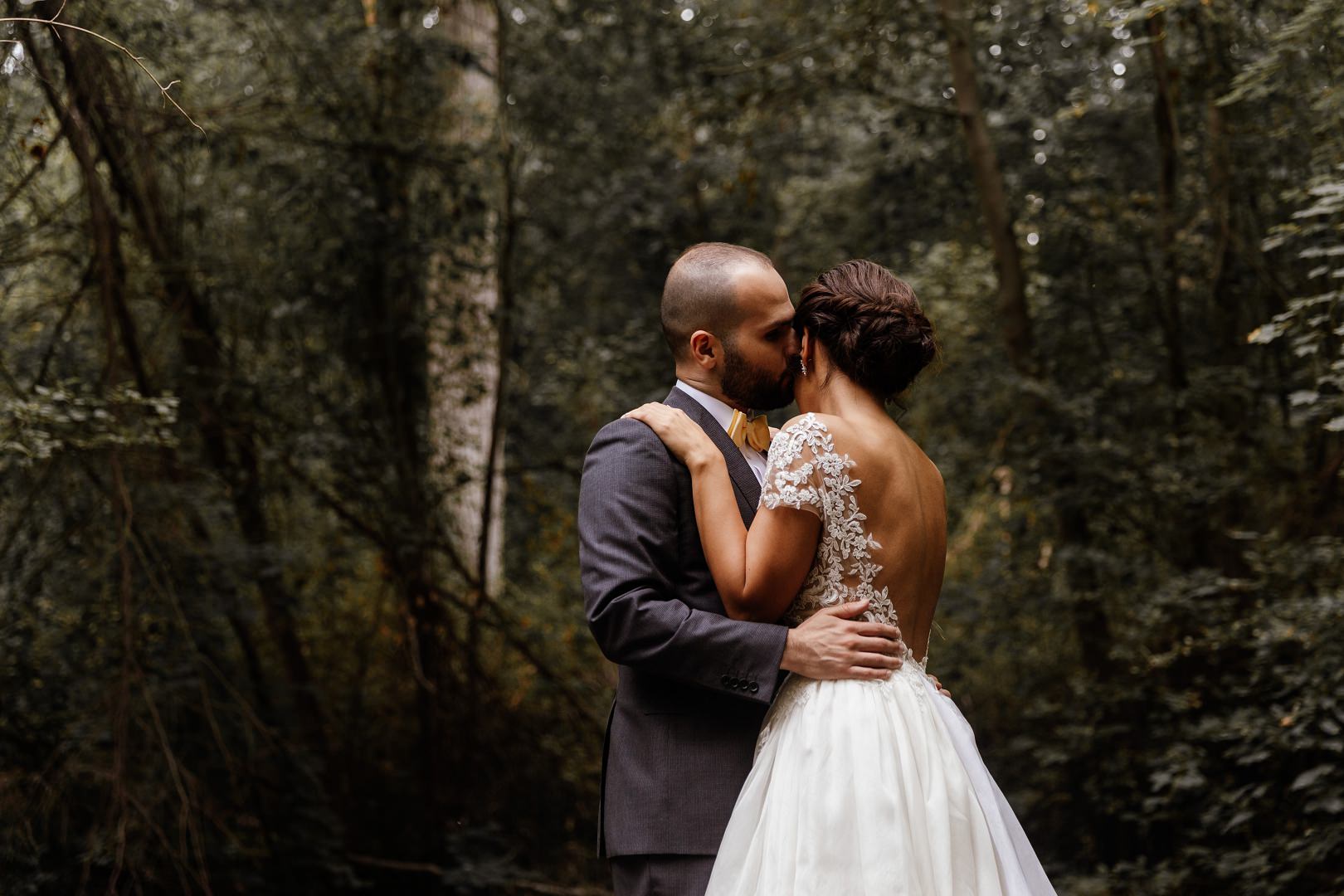
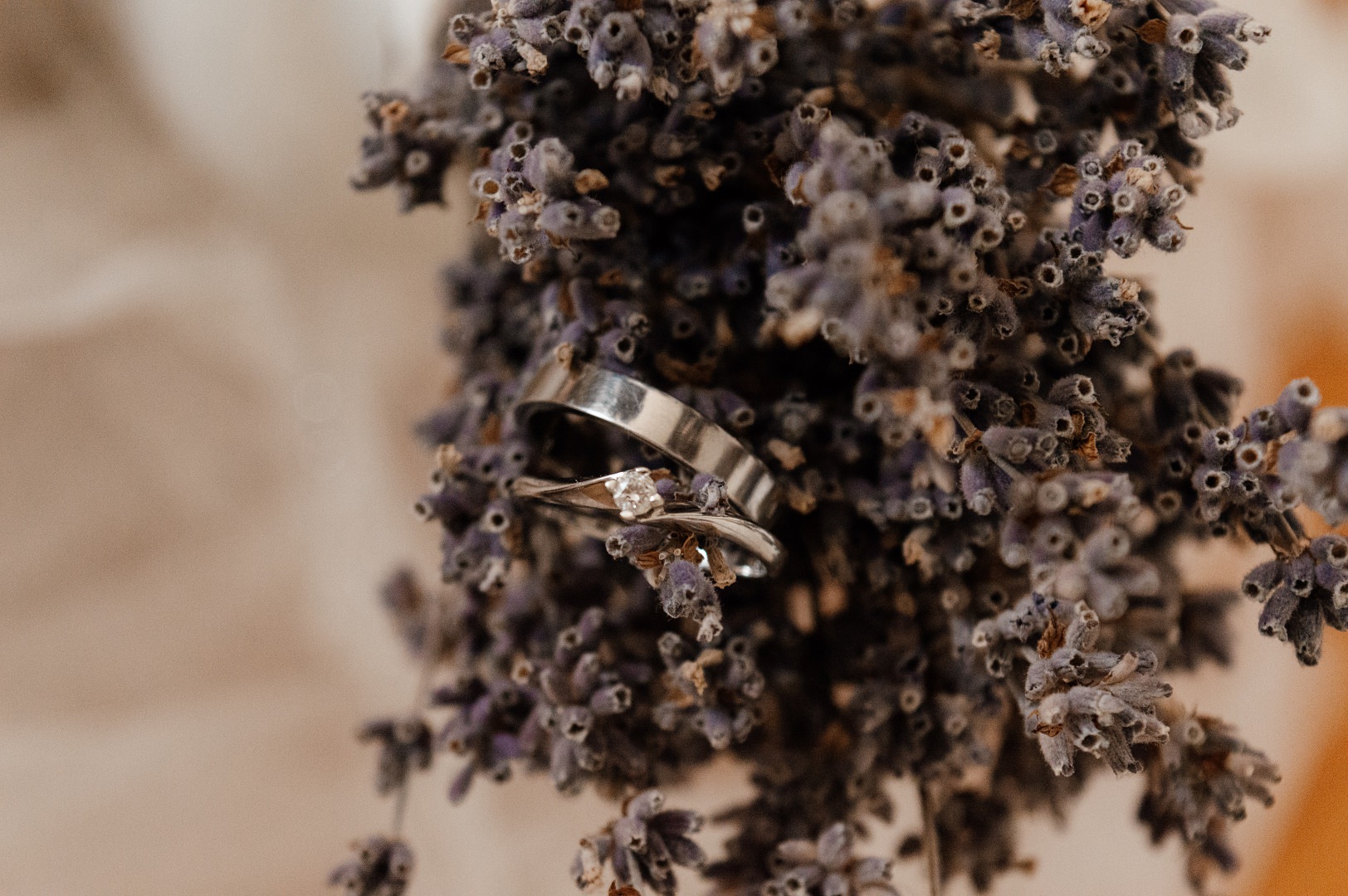
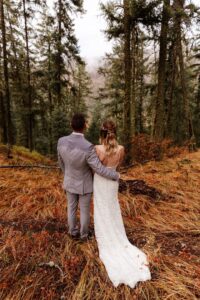
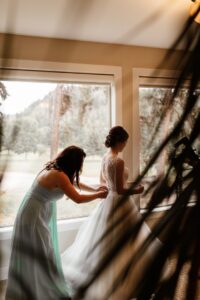
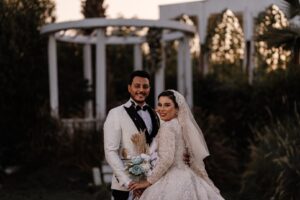
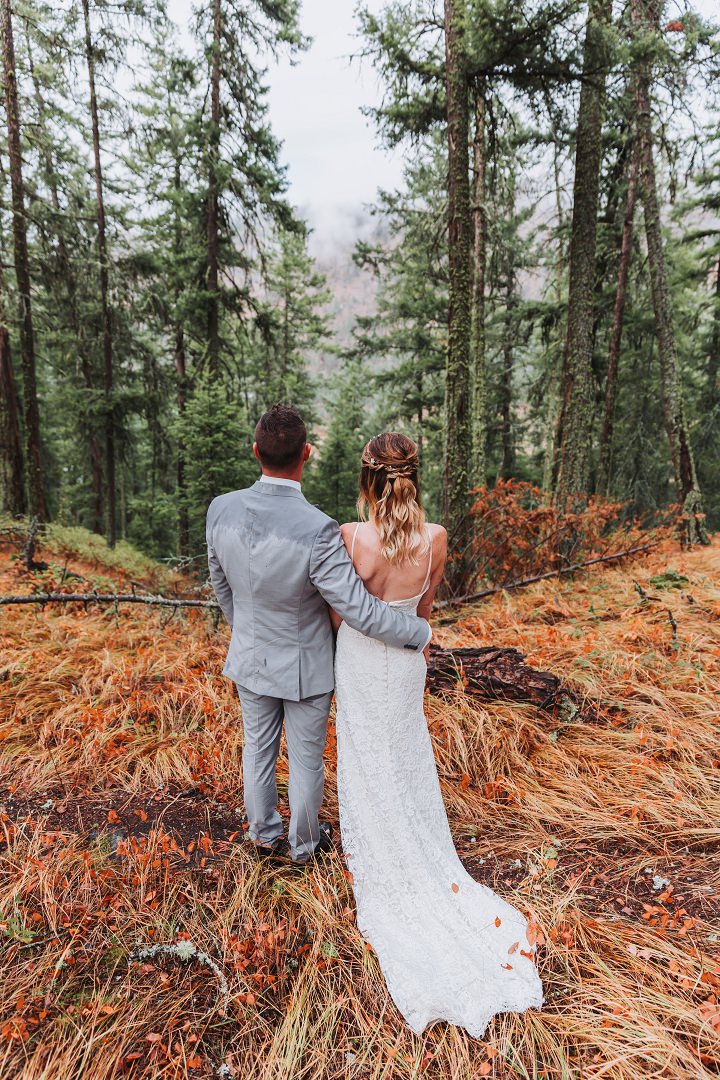
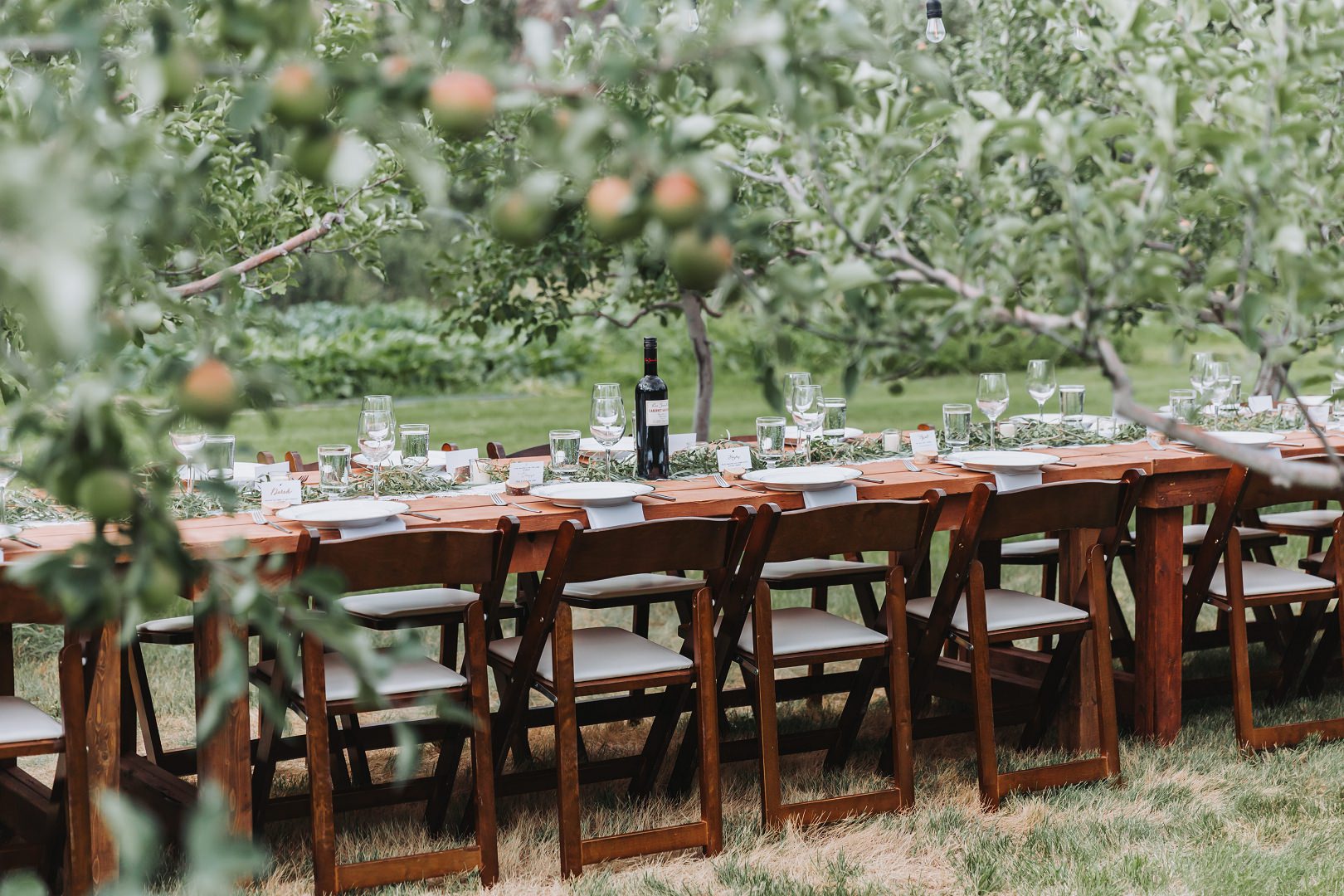
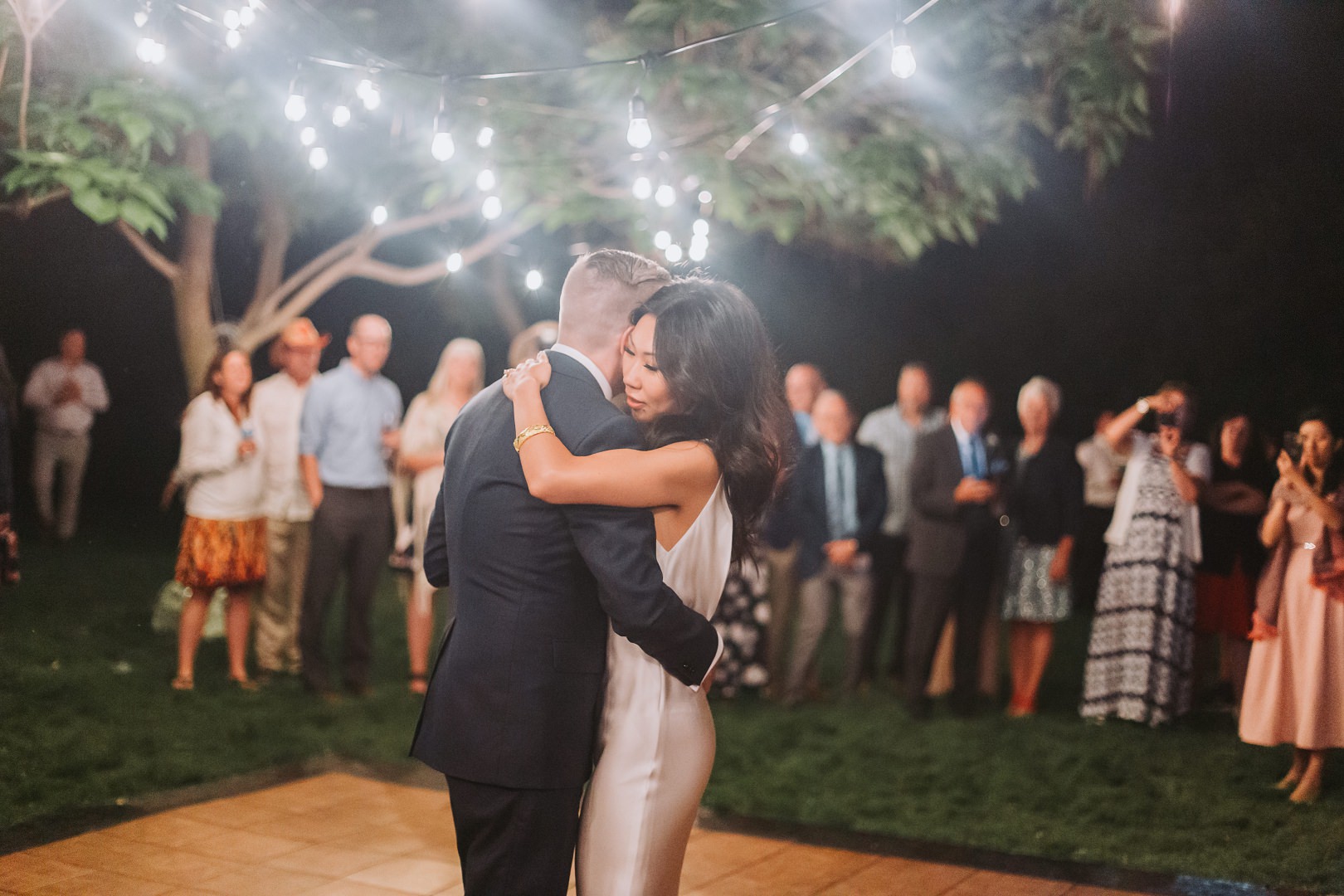
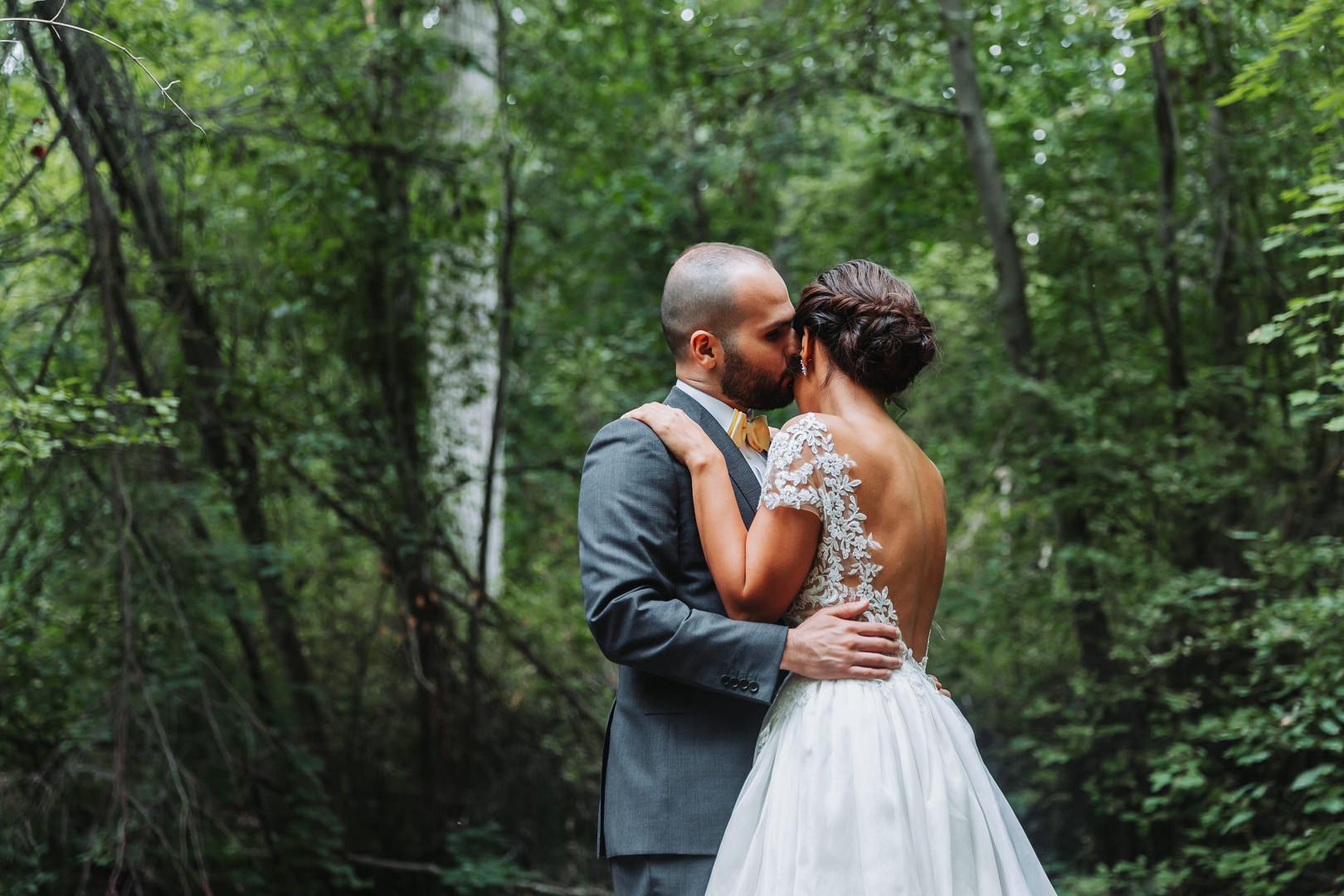
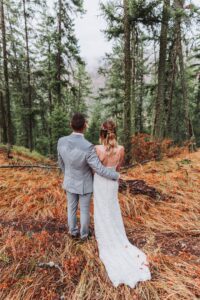
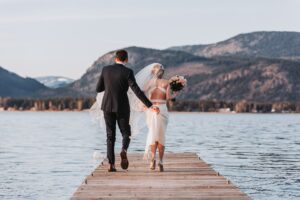
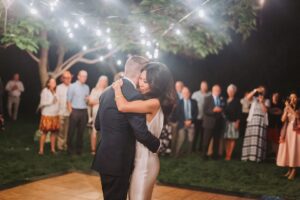
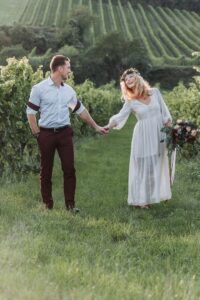
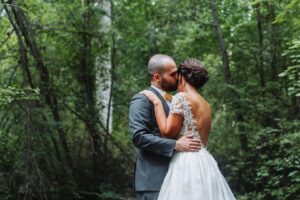
The Vintage processing style sits firmly in the moody, earthy cinematic space, with a clear emphasis on depth and atmosphere over brightness. Blacks are slightly crushed and shadows are allowed to run deep, giving the images weight and contrast without becoming overly harsh. Highlights are controlled and gently muted, nothing feels blown out, which helps maintain detail in dresses and skin. The colour palette leans warm but subdued greens are desaturated and slightly olive, blues are softened, and overall saturation is dialled back to avoid anything feeling overly vibrant. Skin tones remain natural but are subtly warmed, keeping subjects flattering while still believable.





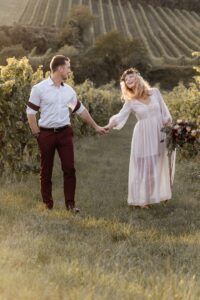
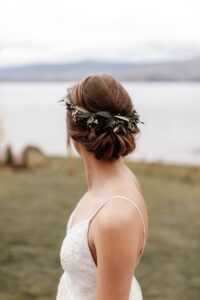
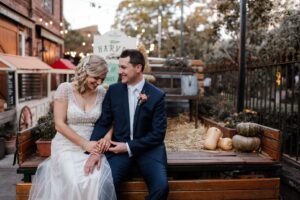
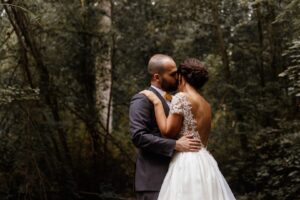
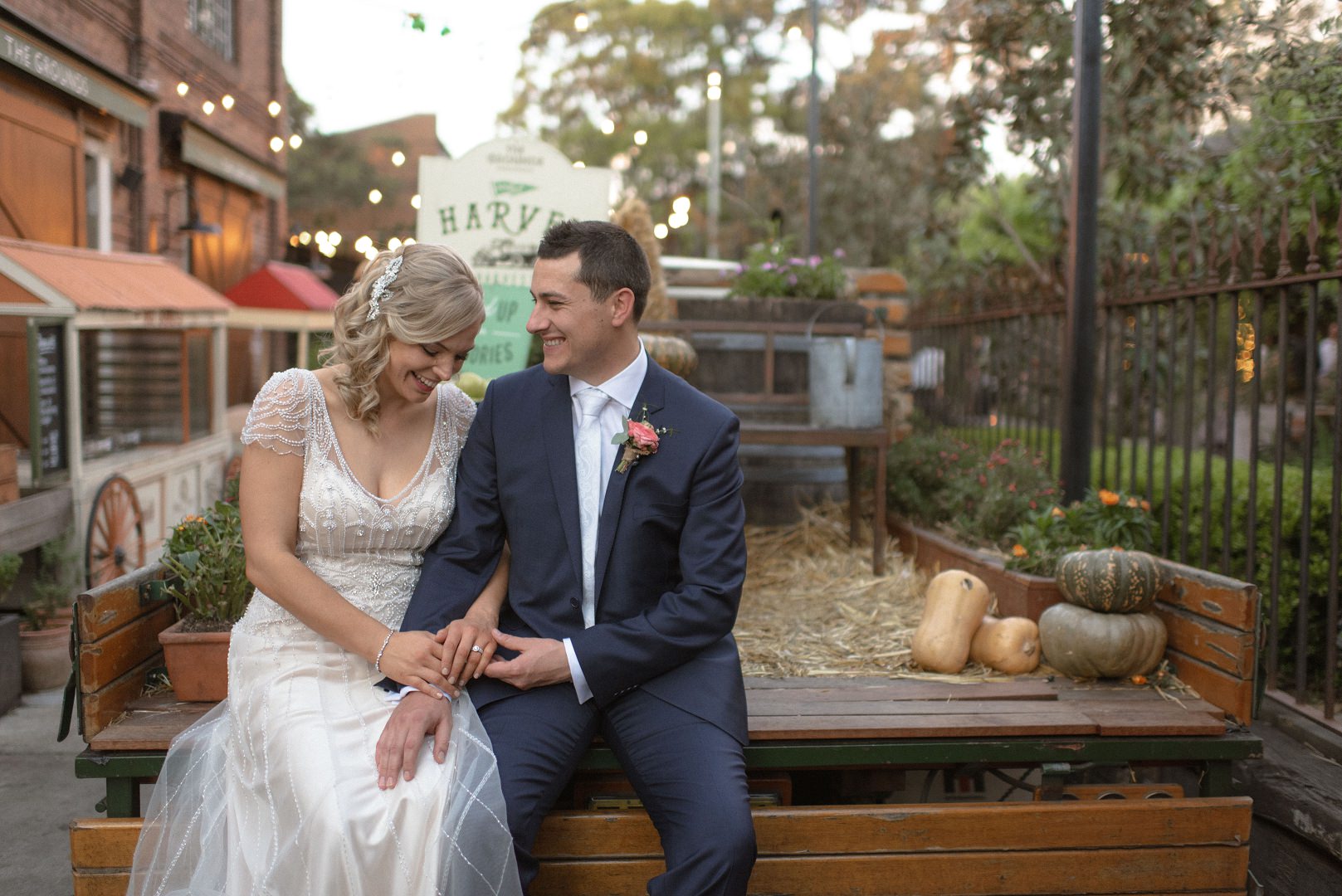
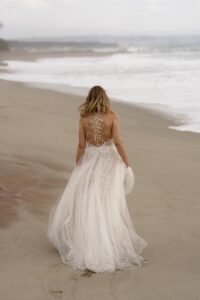
Light & Airy
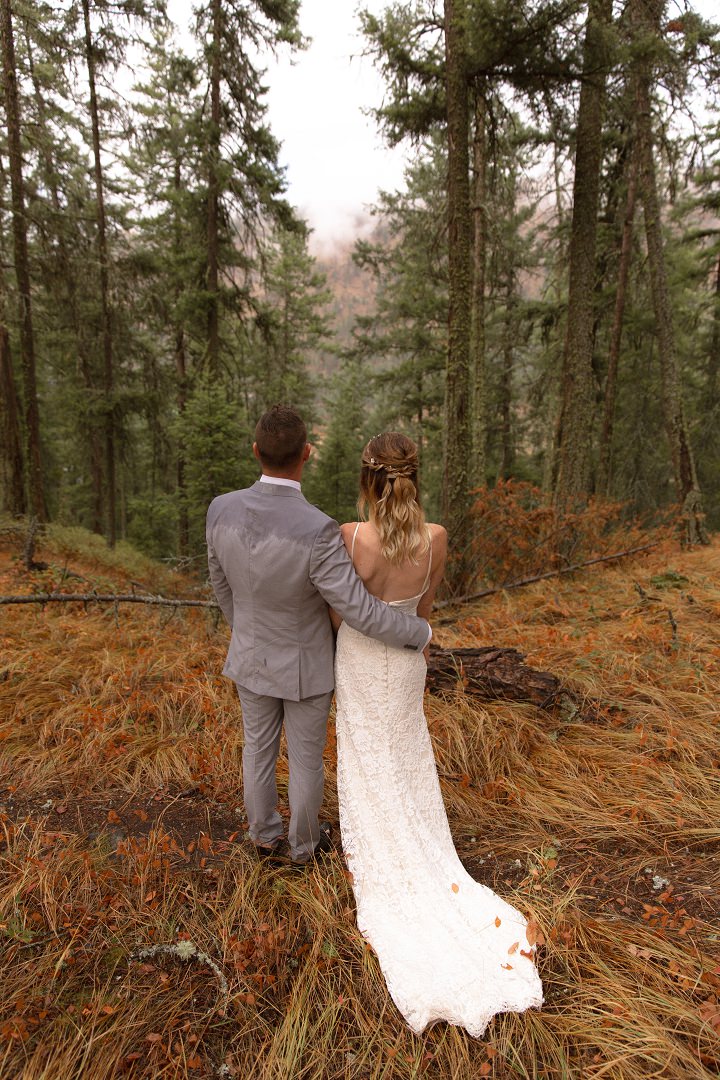
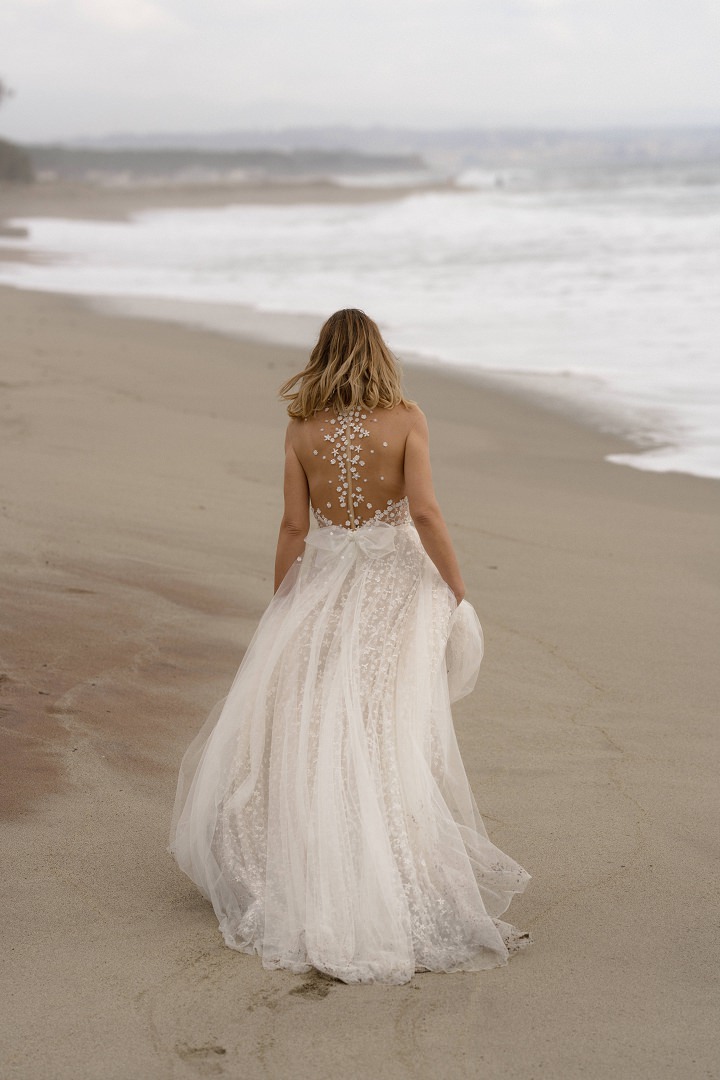
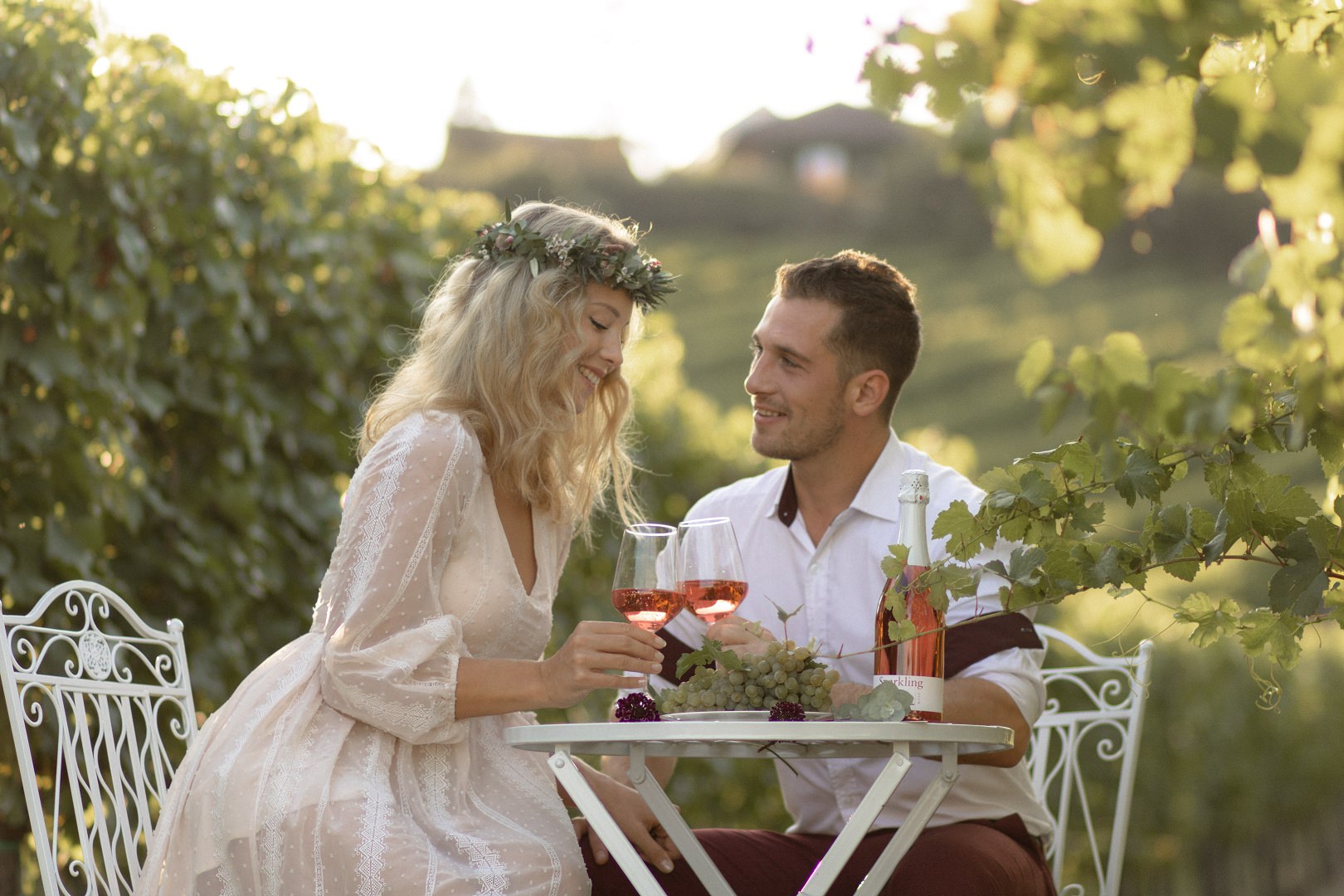
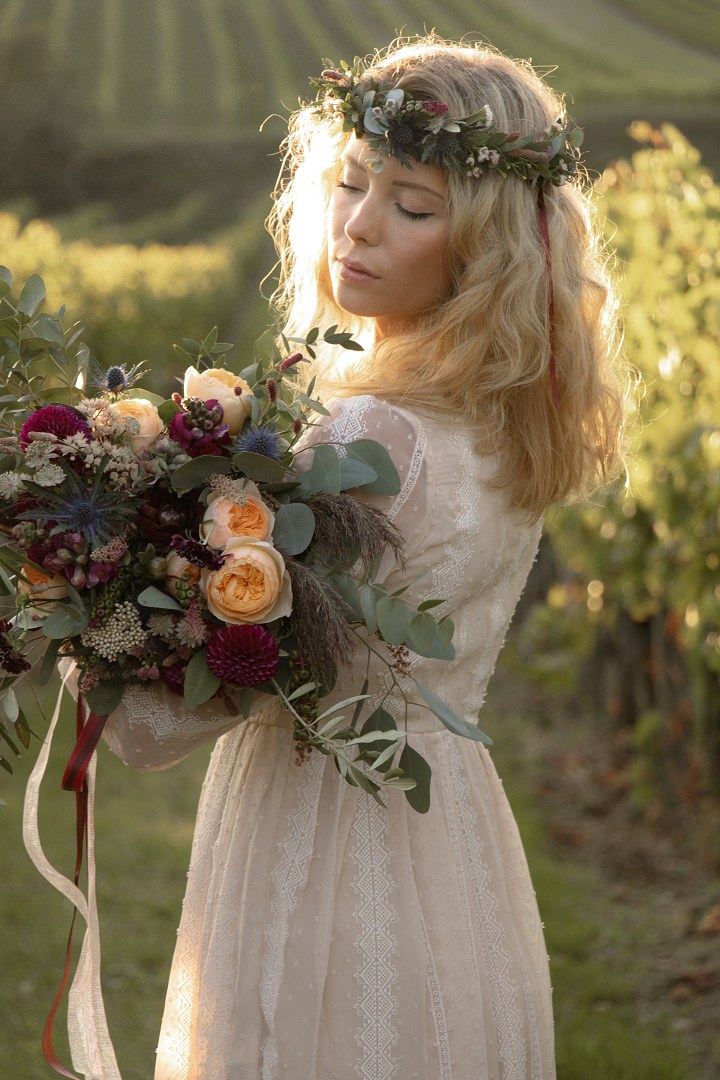
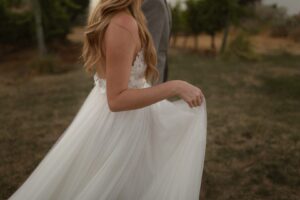
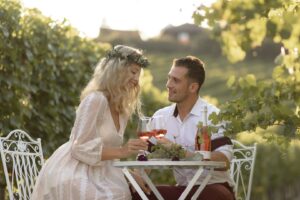
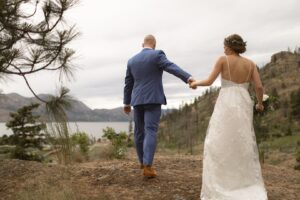
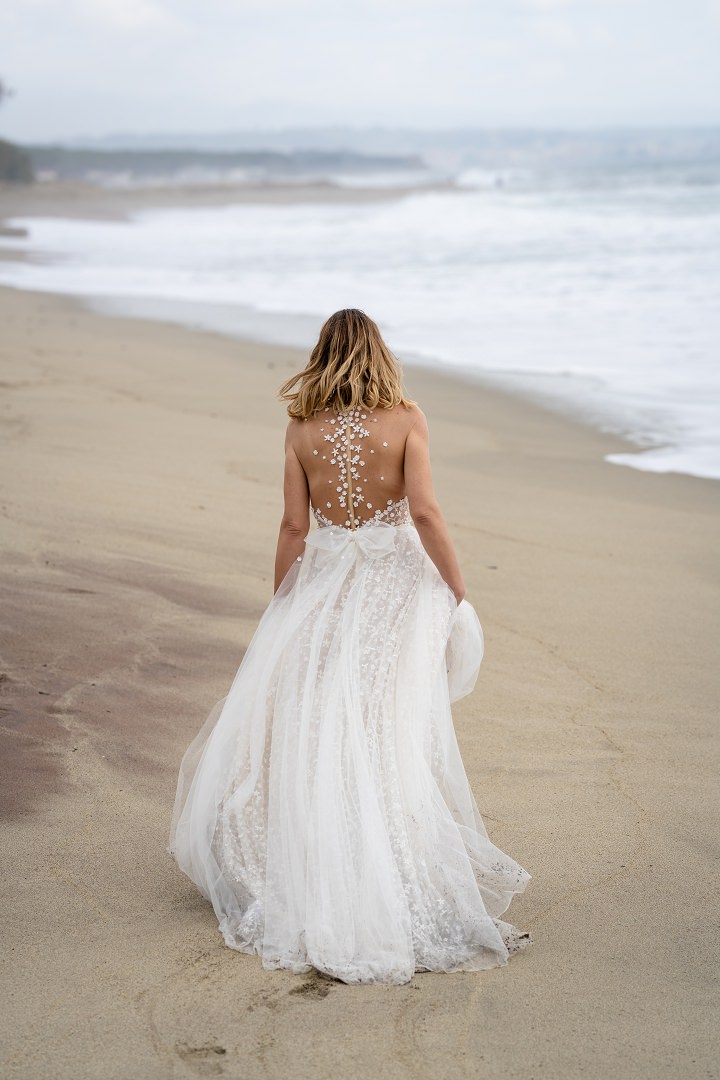
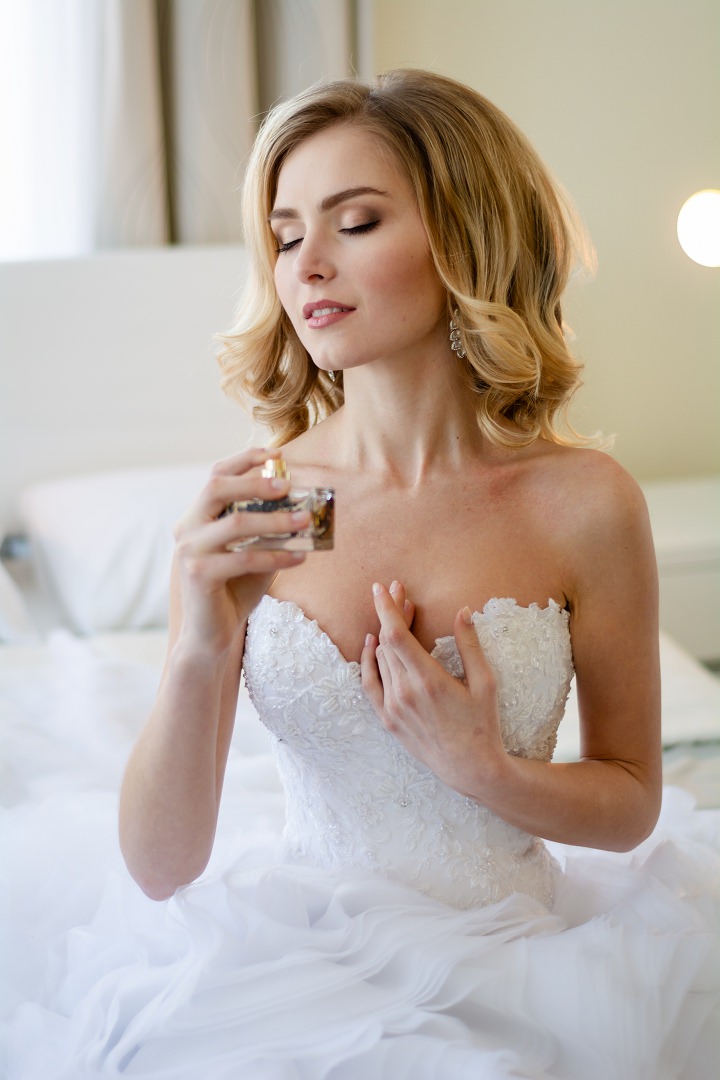
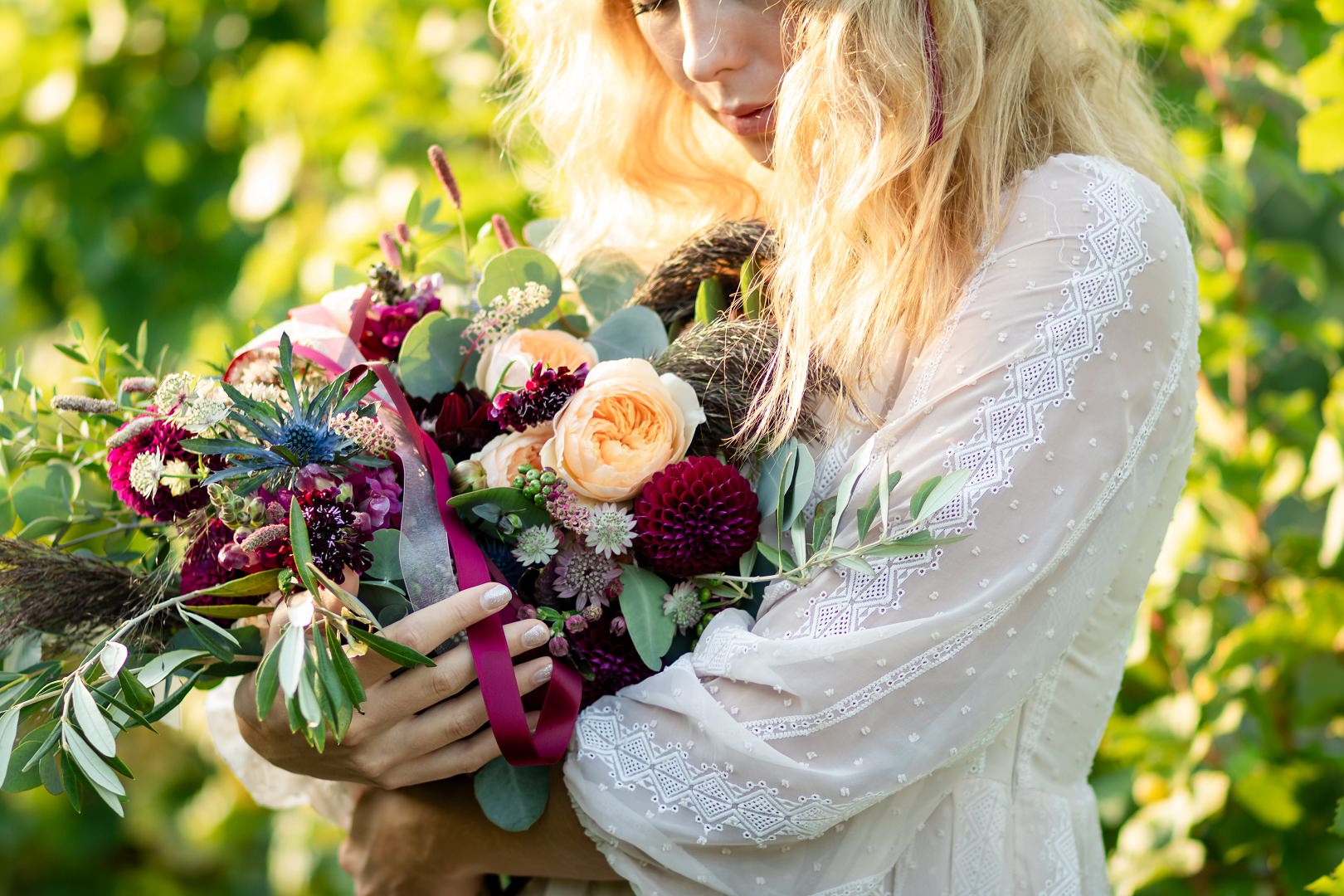
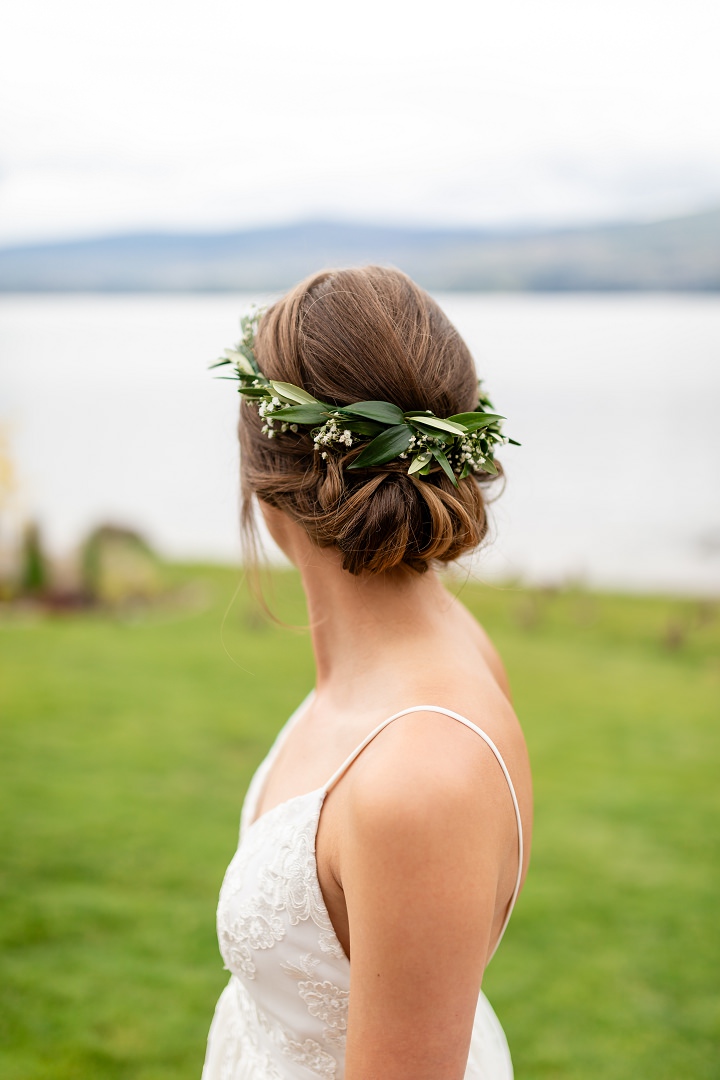
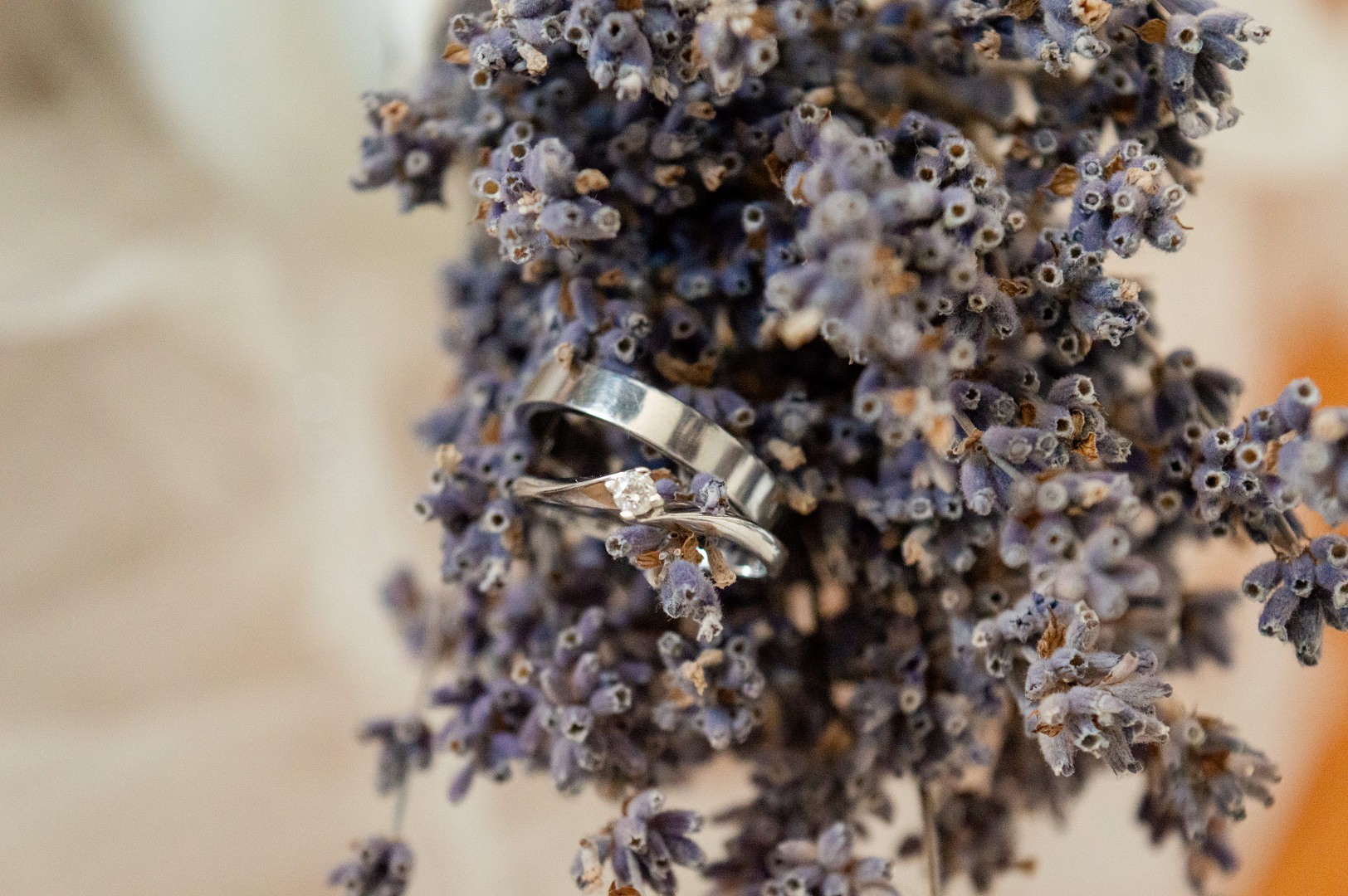
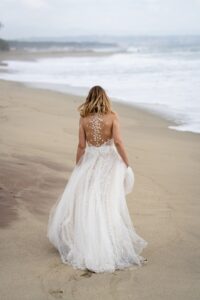
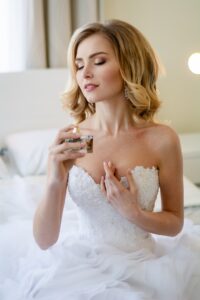
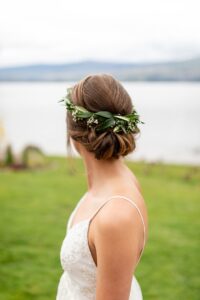
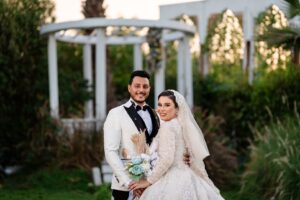
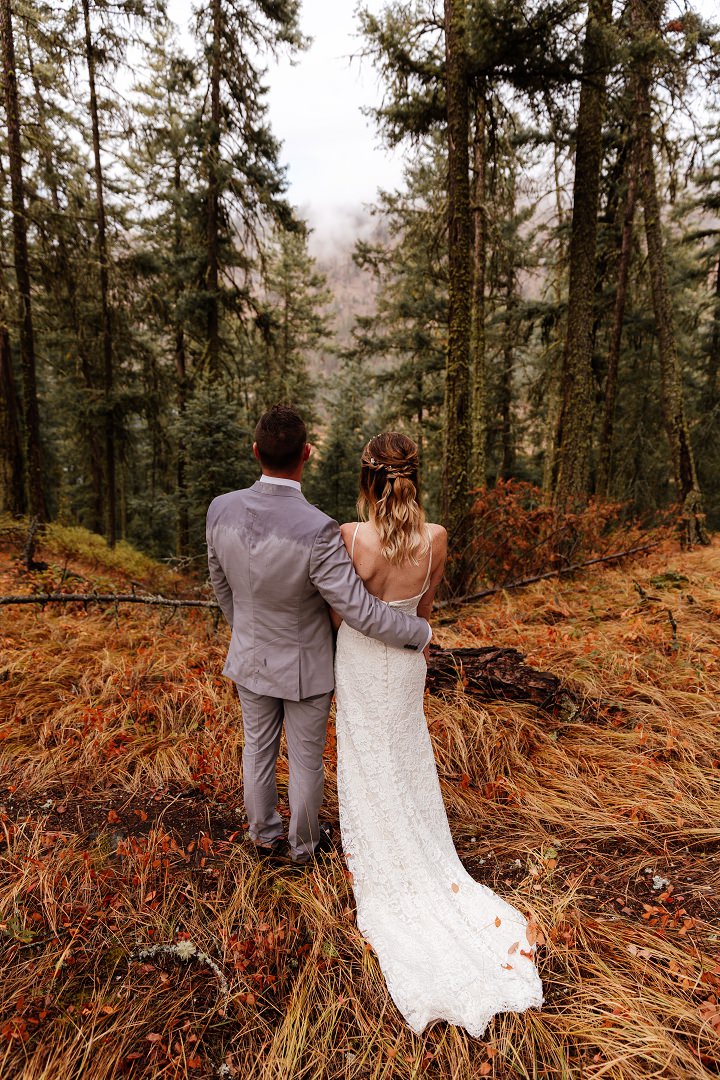
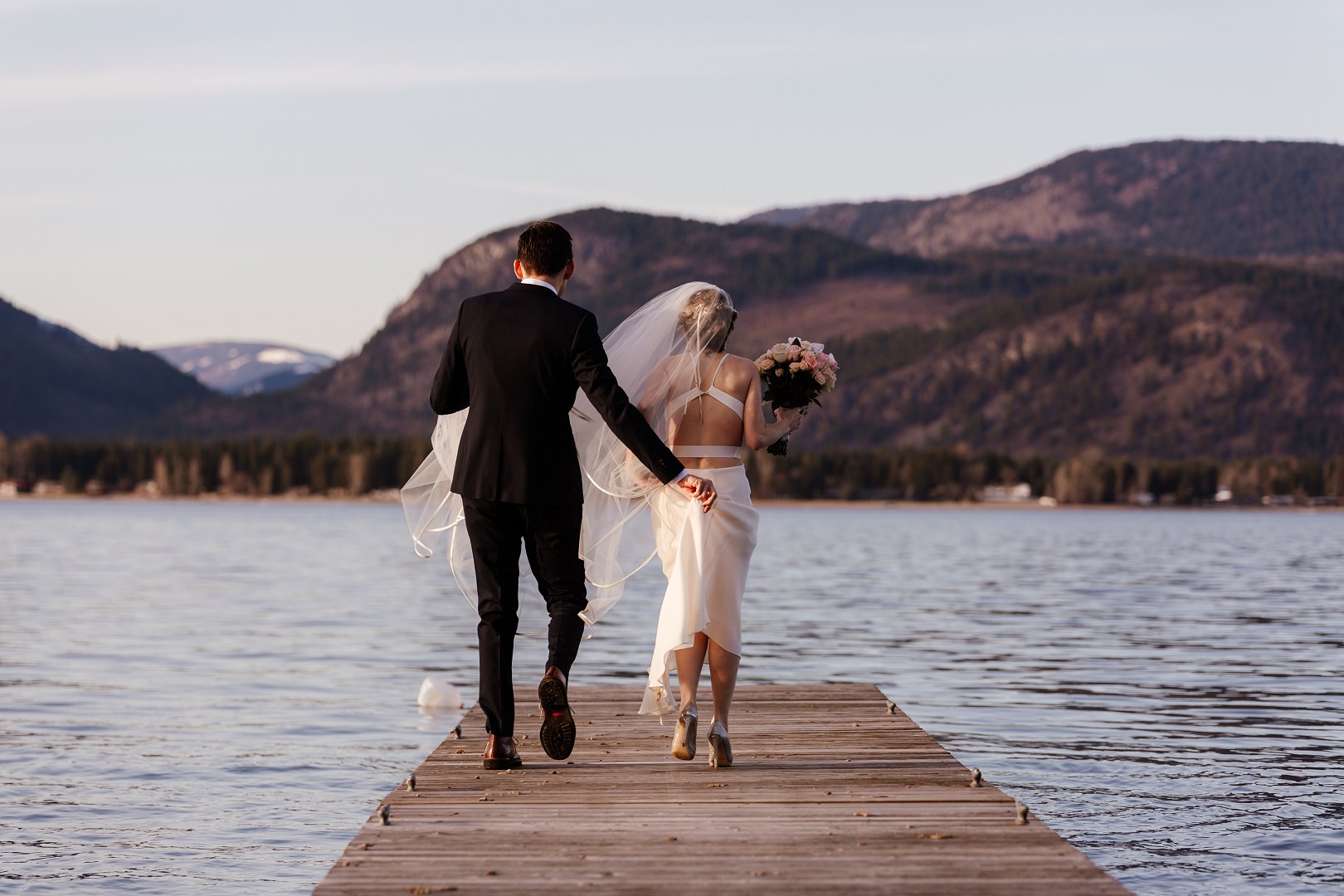
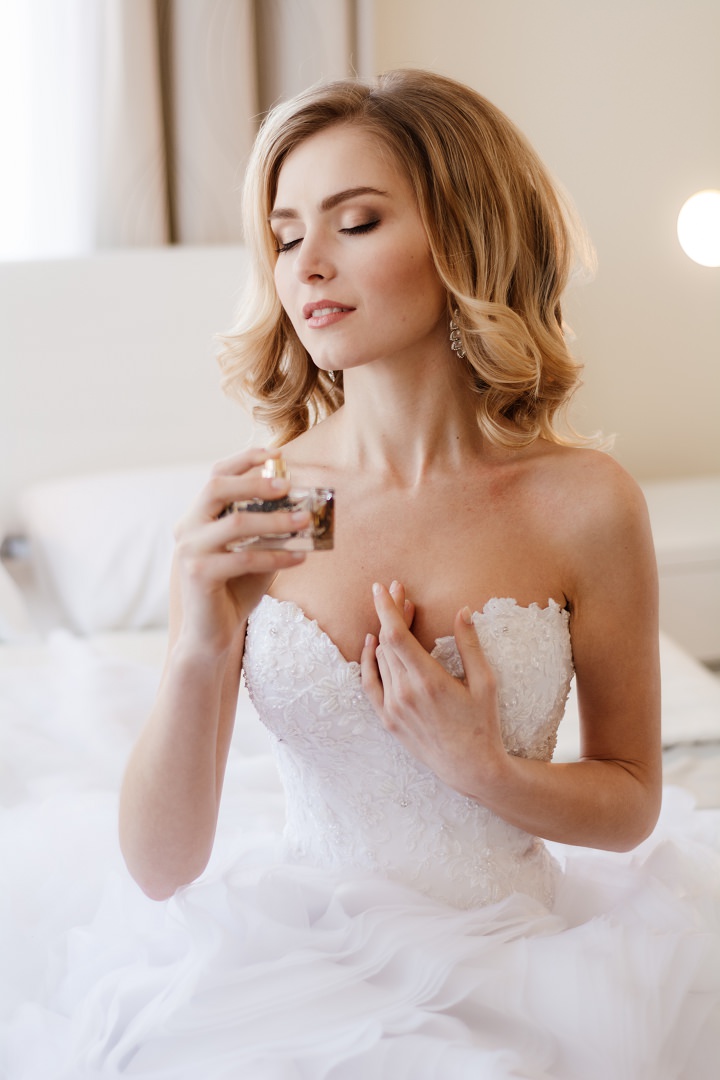
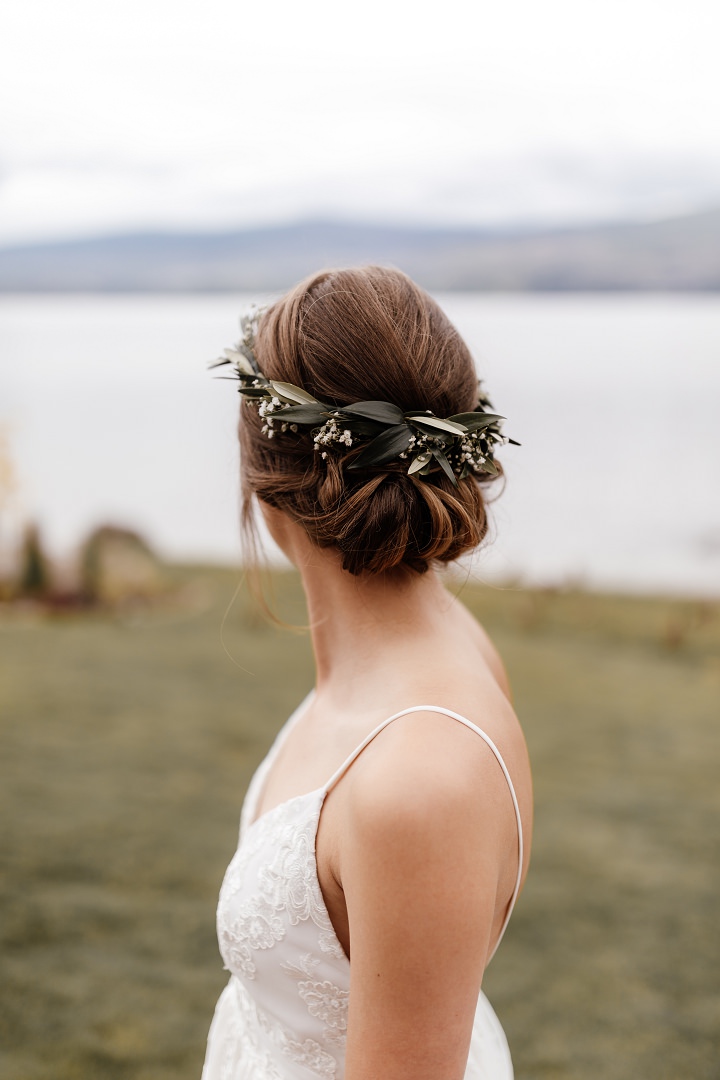
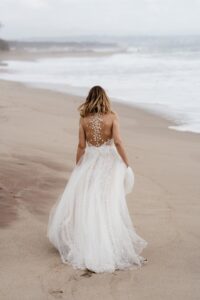
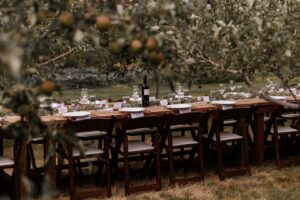
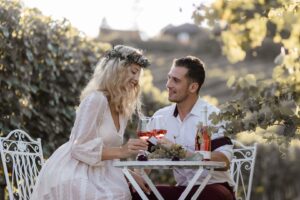
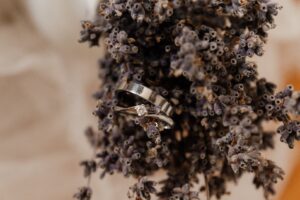
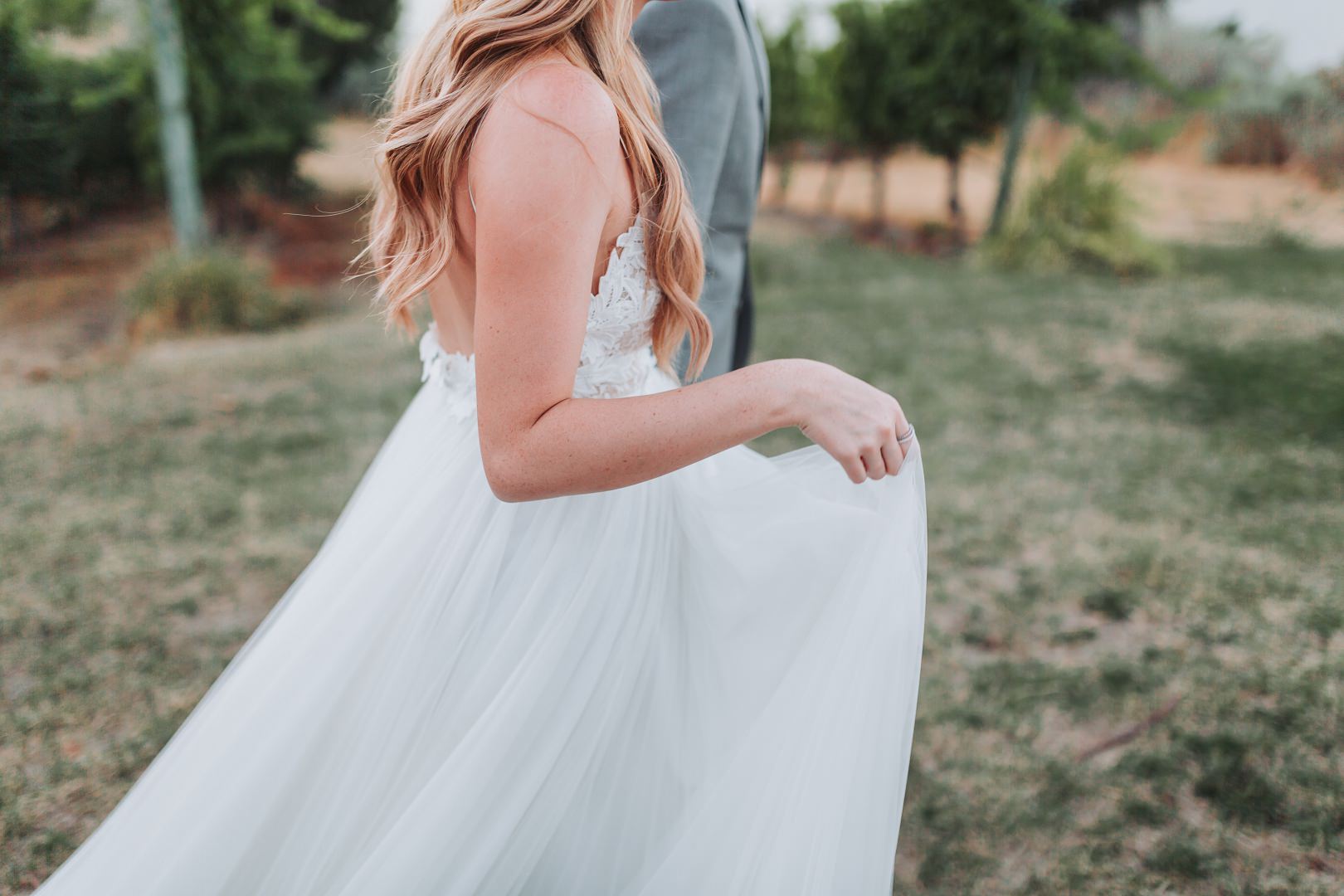
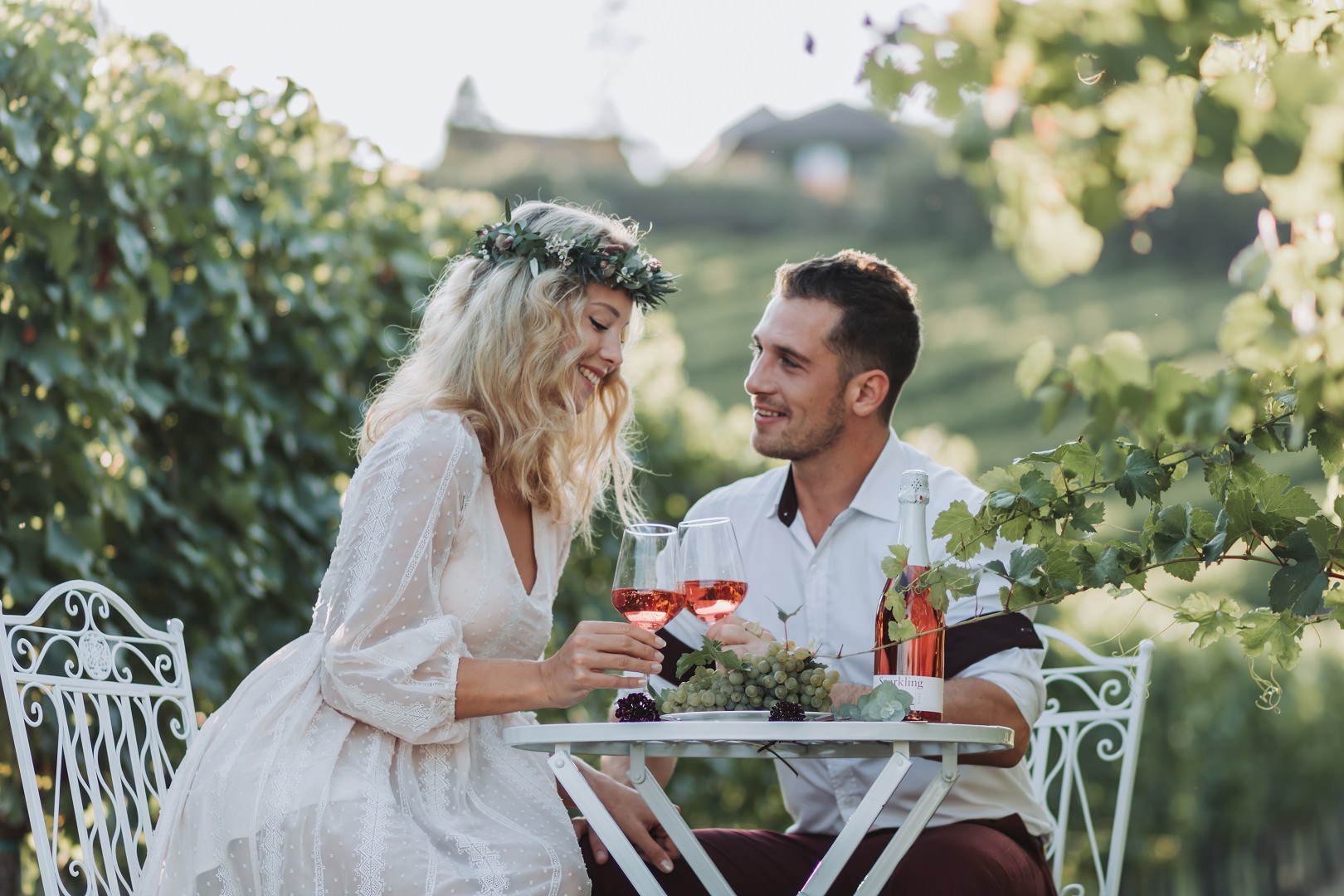
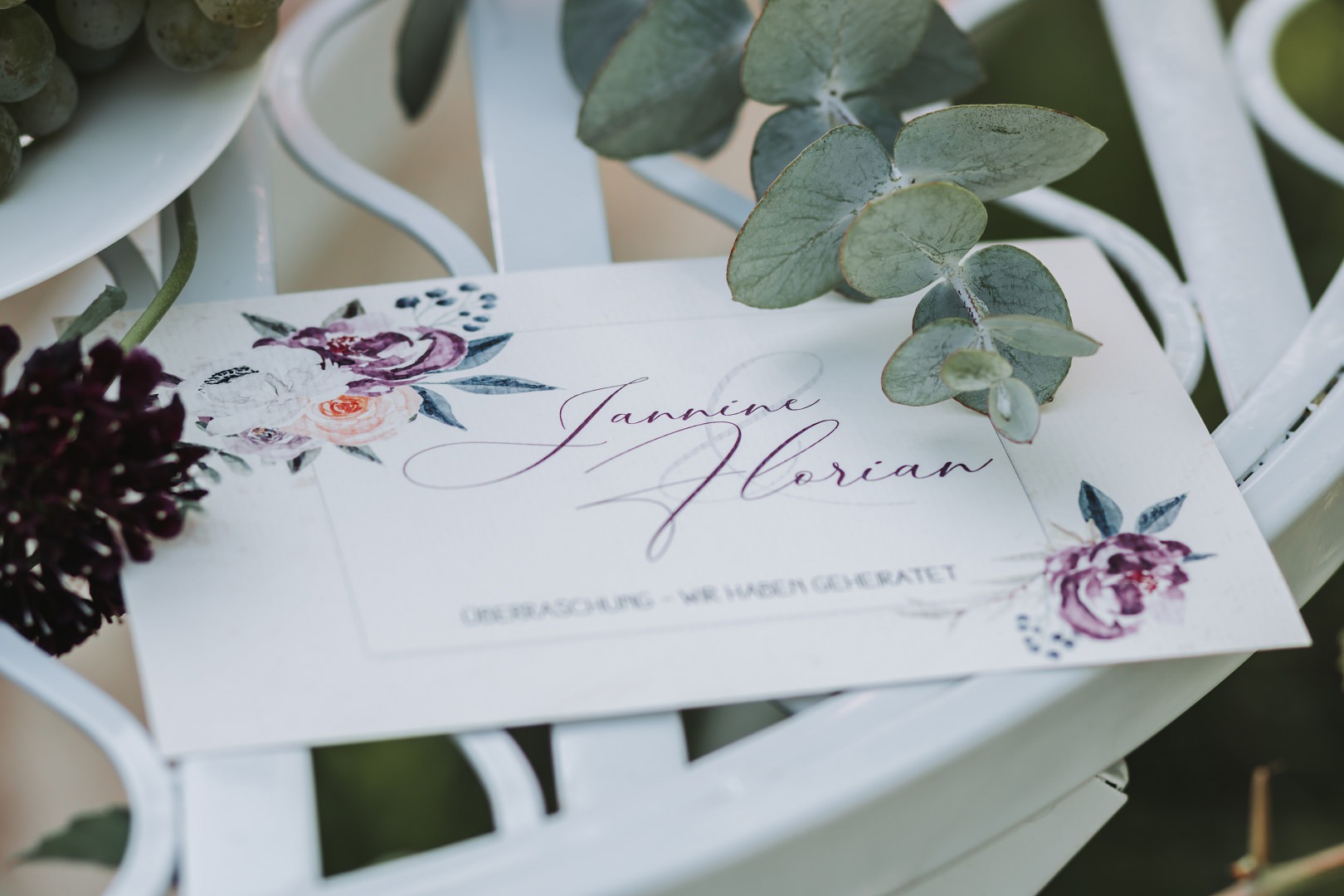
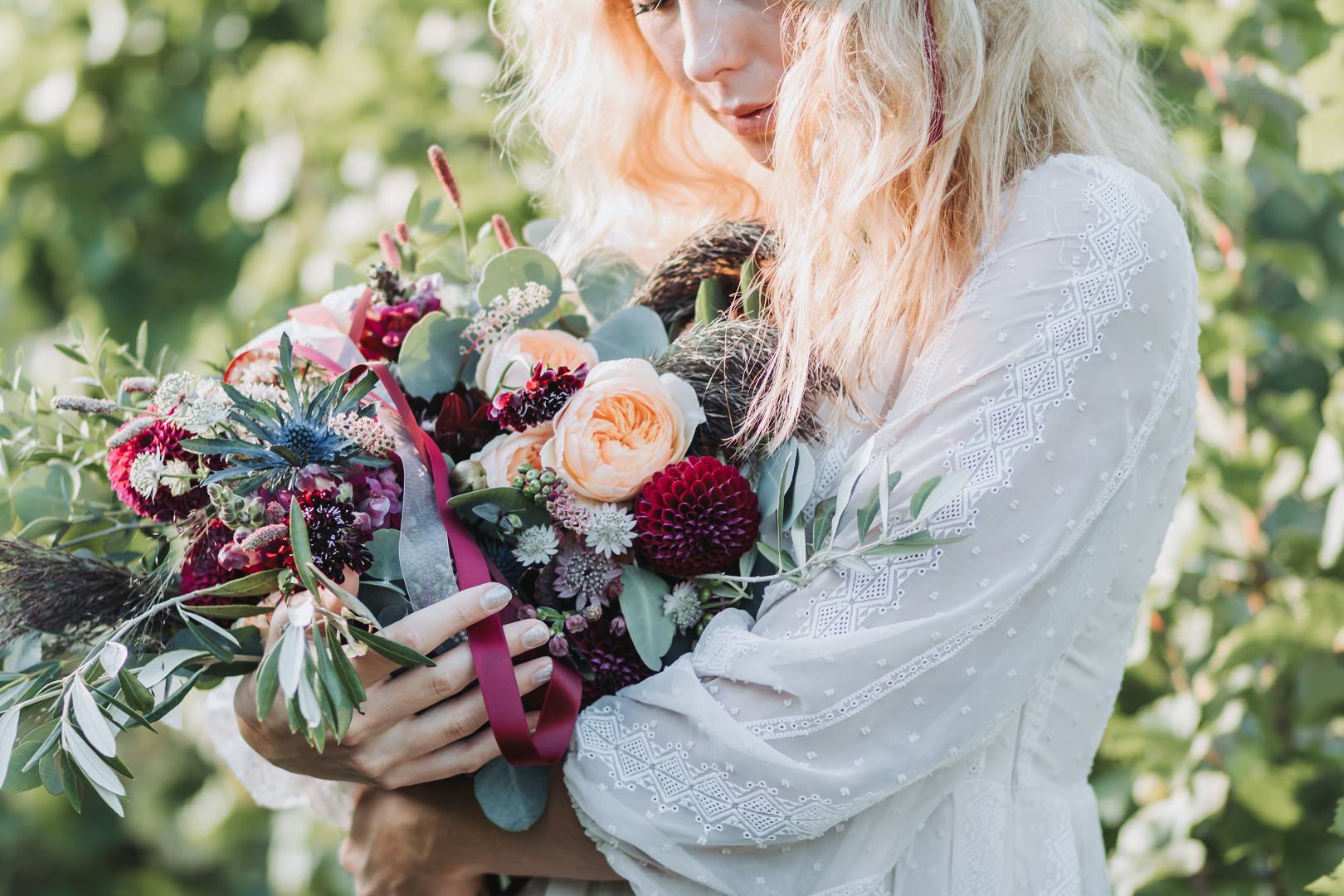
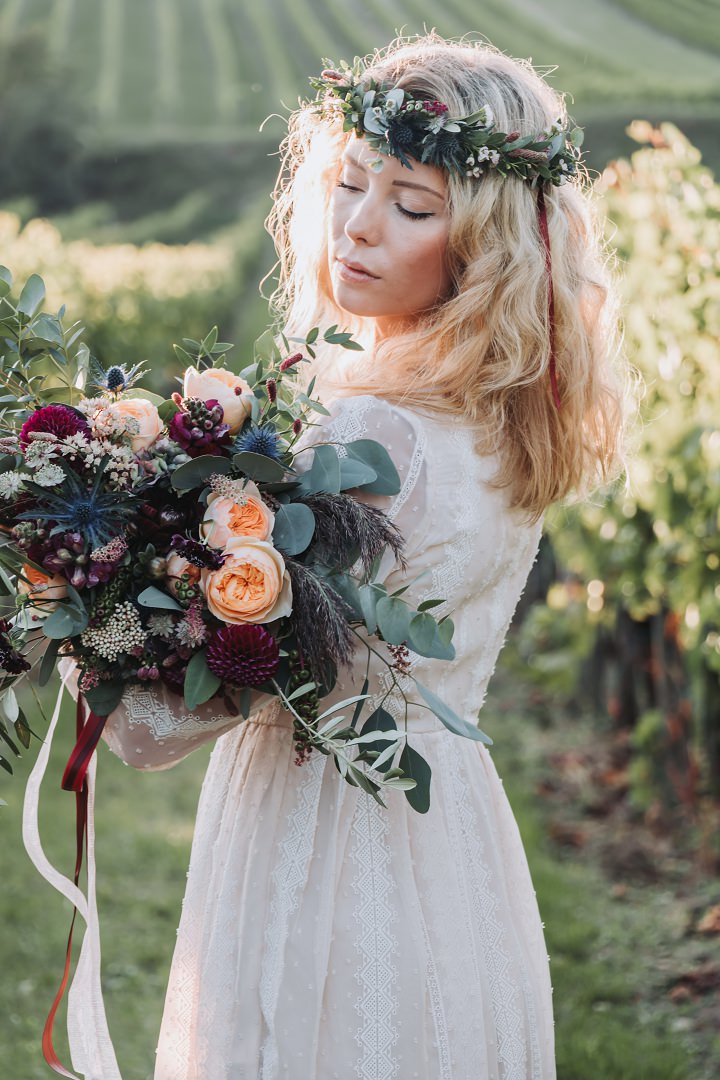
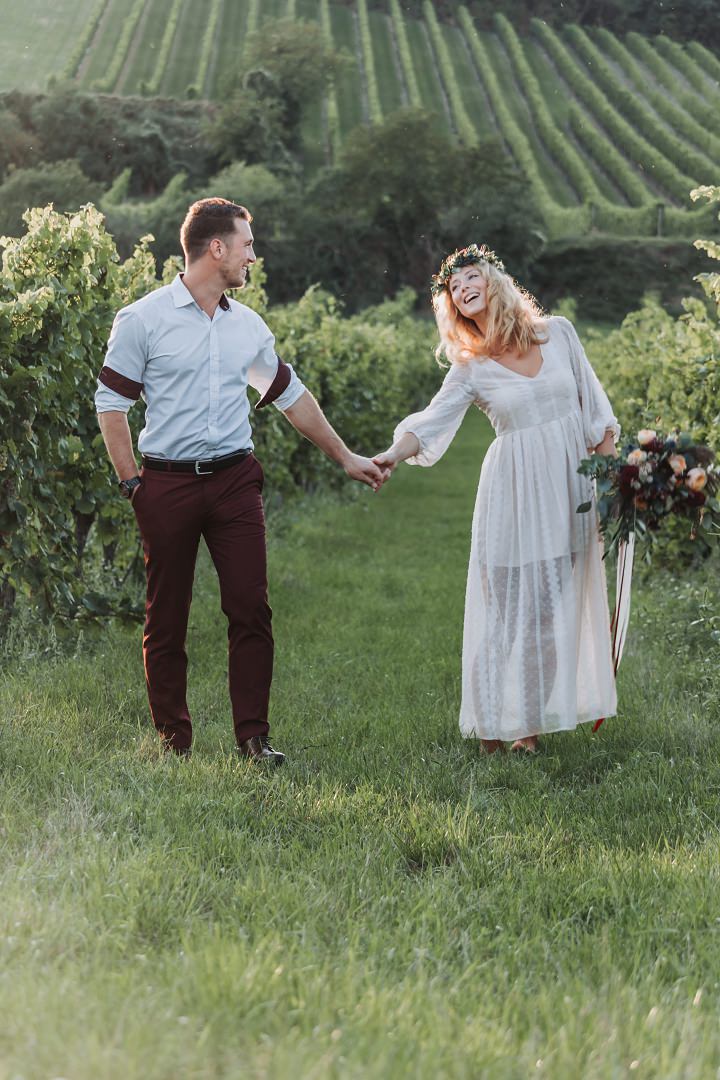
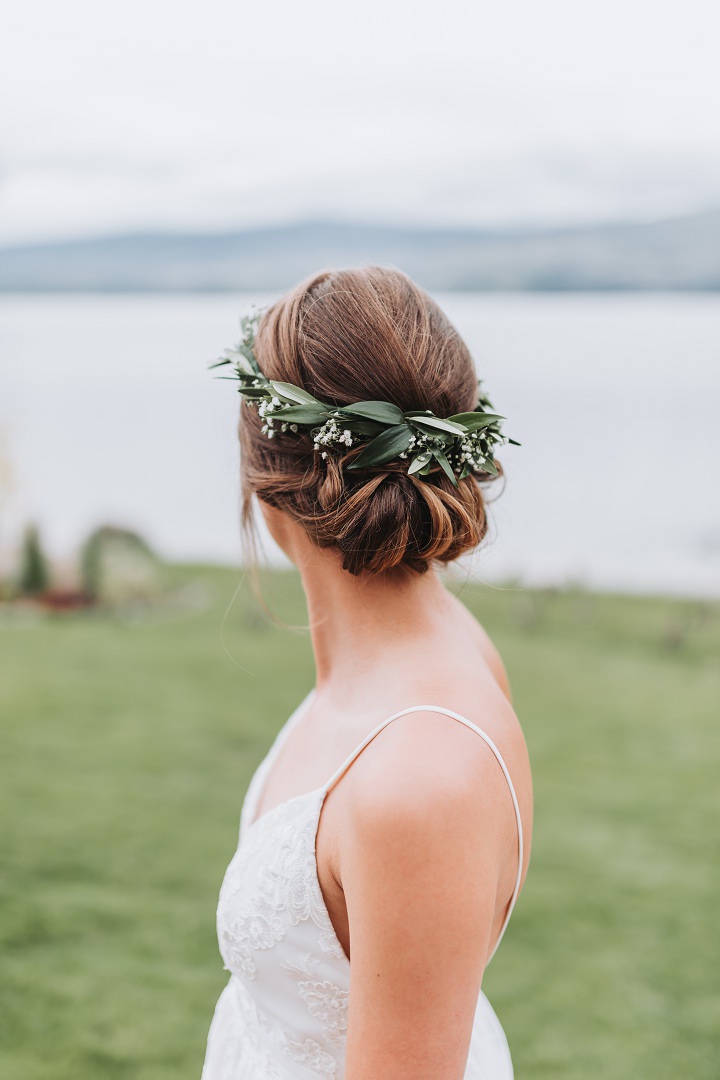
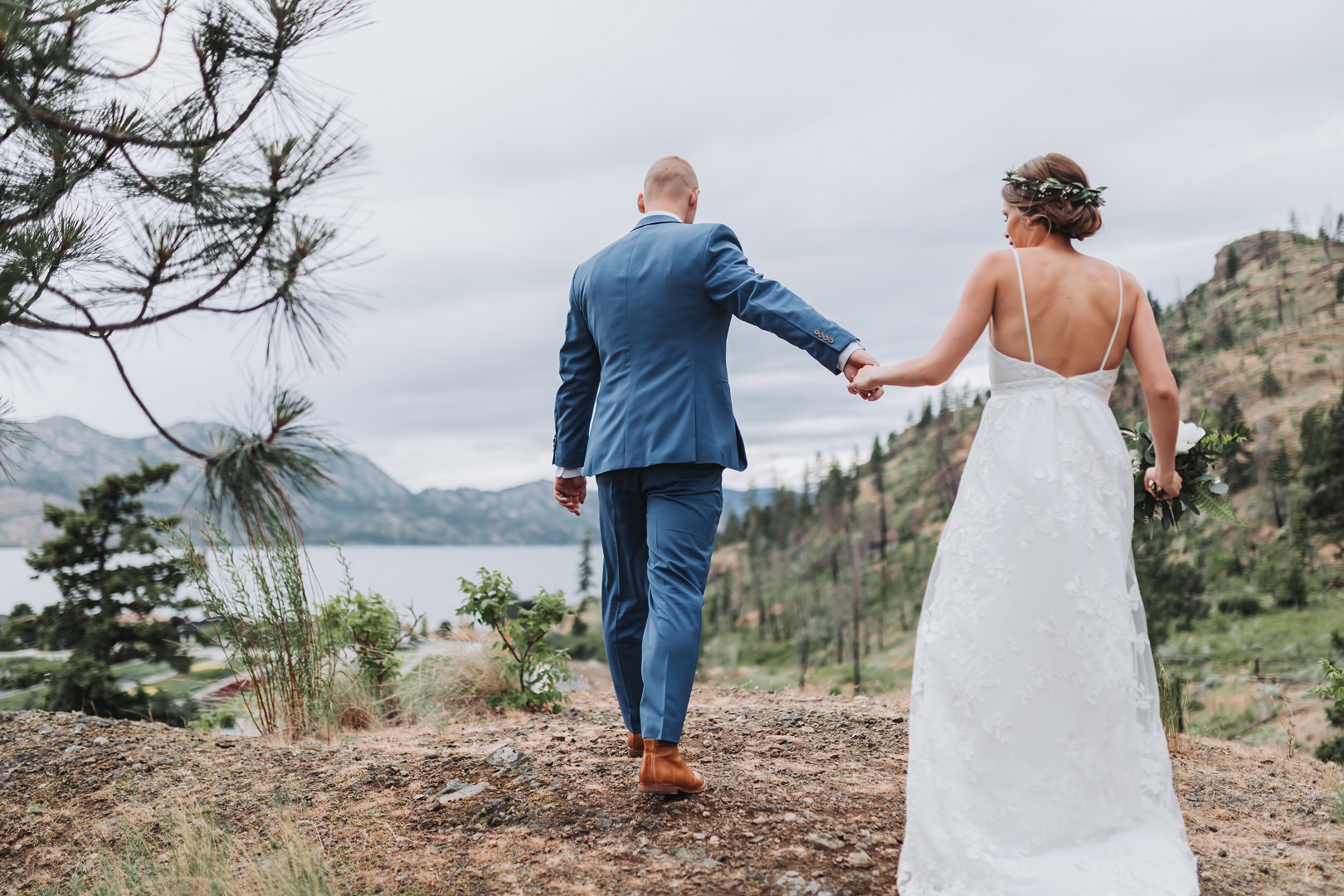
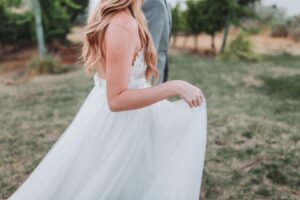
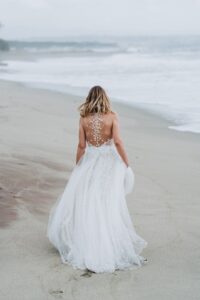
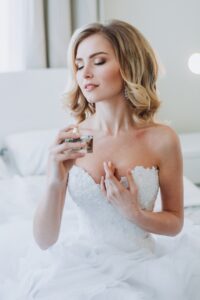
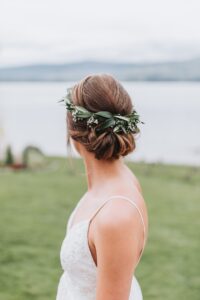
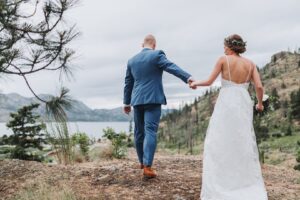
The Light & Airy processing style leans toward a soft, film-inspired hybrid with light & airy influence. Exposure is gently lifted overall, especially in the highlights, giving the images a bright, open feel without fully washing them out. Whites, particularly in dresses, are clean but not stark, retaining subtle texture. Shadows are softened and slightly lifted, reducing contrast and creating a more forgiving, romantic tonal range.
Colour treatment is where the film influence shows through: greens are muted and slightly desaturated, leaning natural rather than vibrant; blues are softened; and warmer tones are subtly emphasised without becoming orange. Skin tones are creamy and consistent, with a slight warmth that flatters without drifting into artificial territory. There’s also a delicate matte quality in the blacks and a hint of desaturation across the palette.



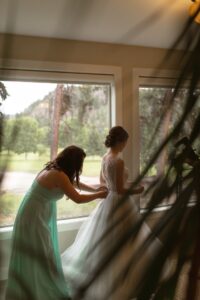
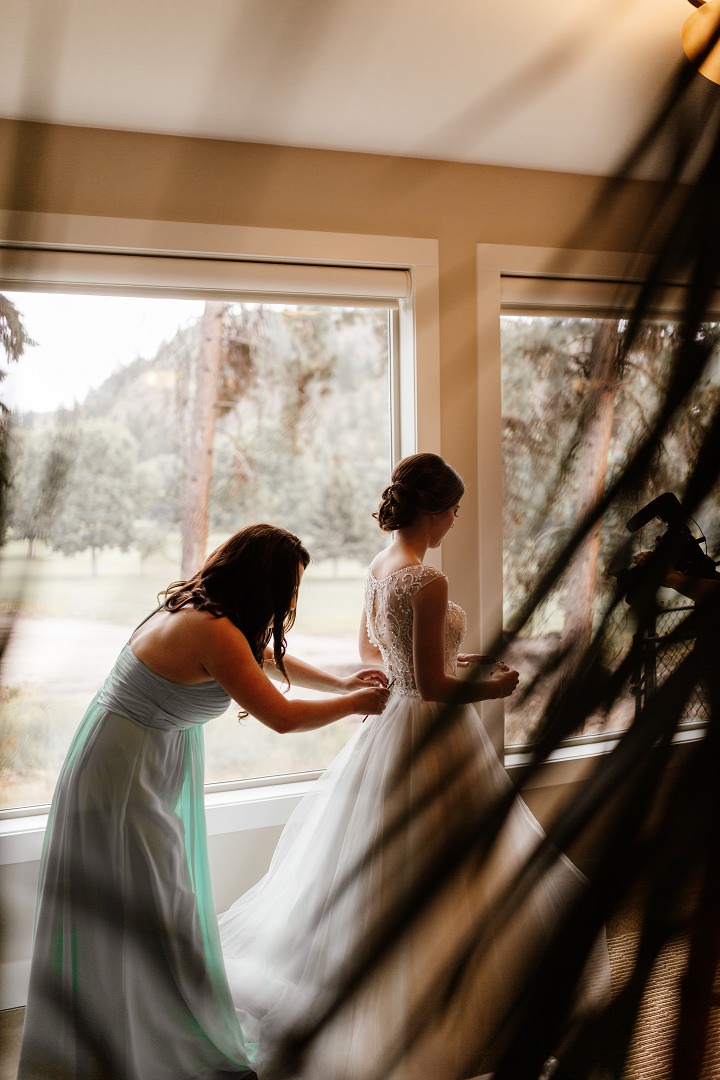
Film
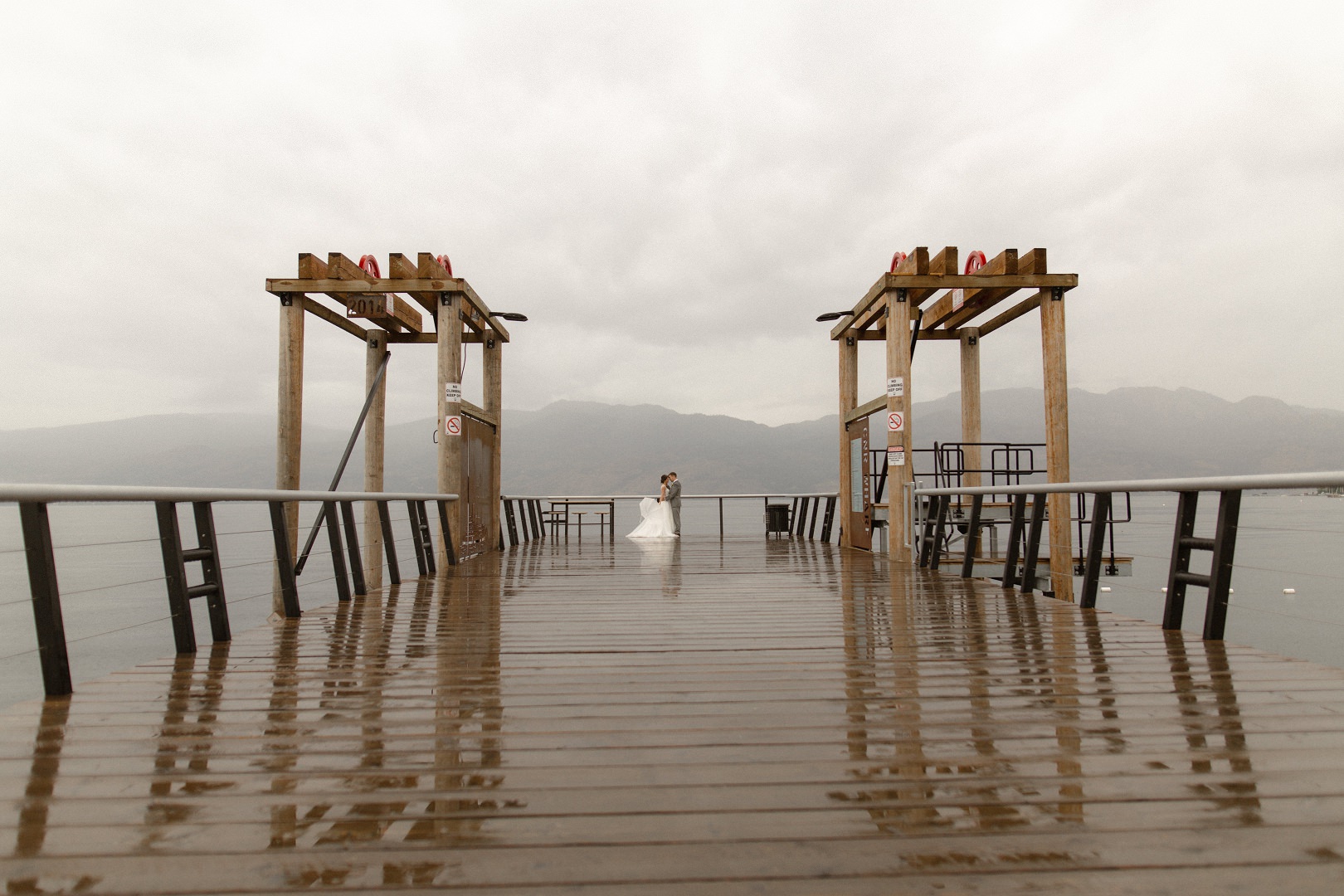
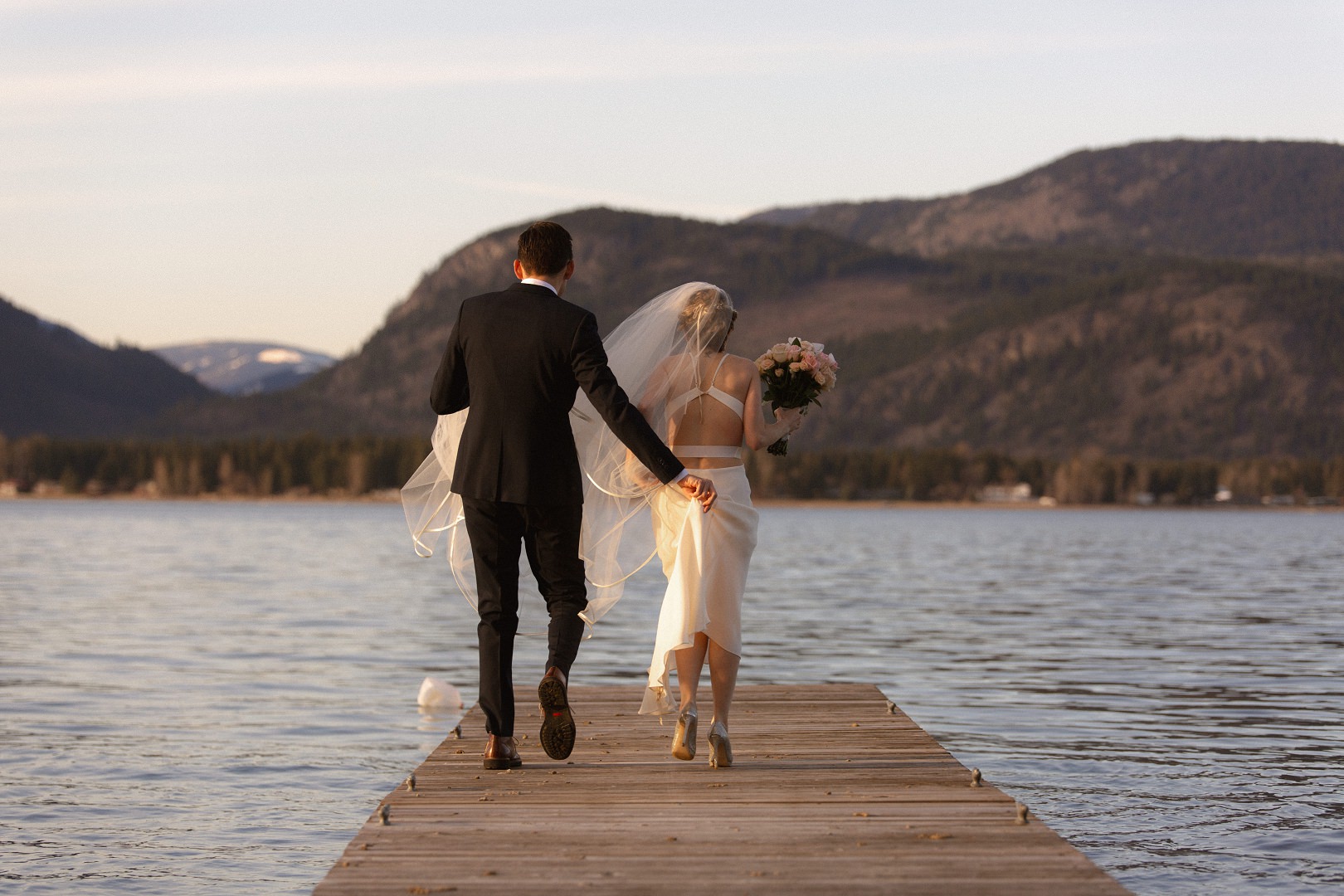
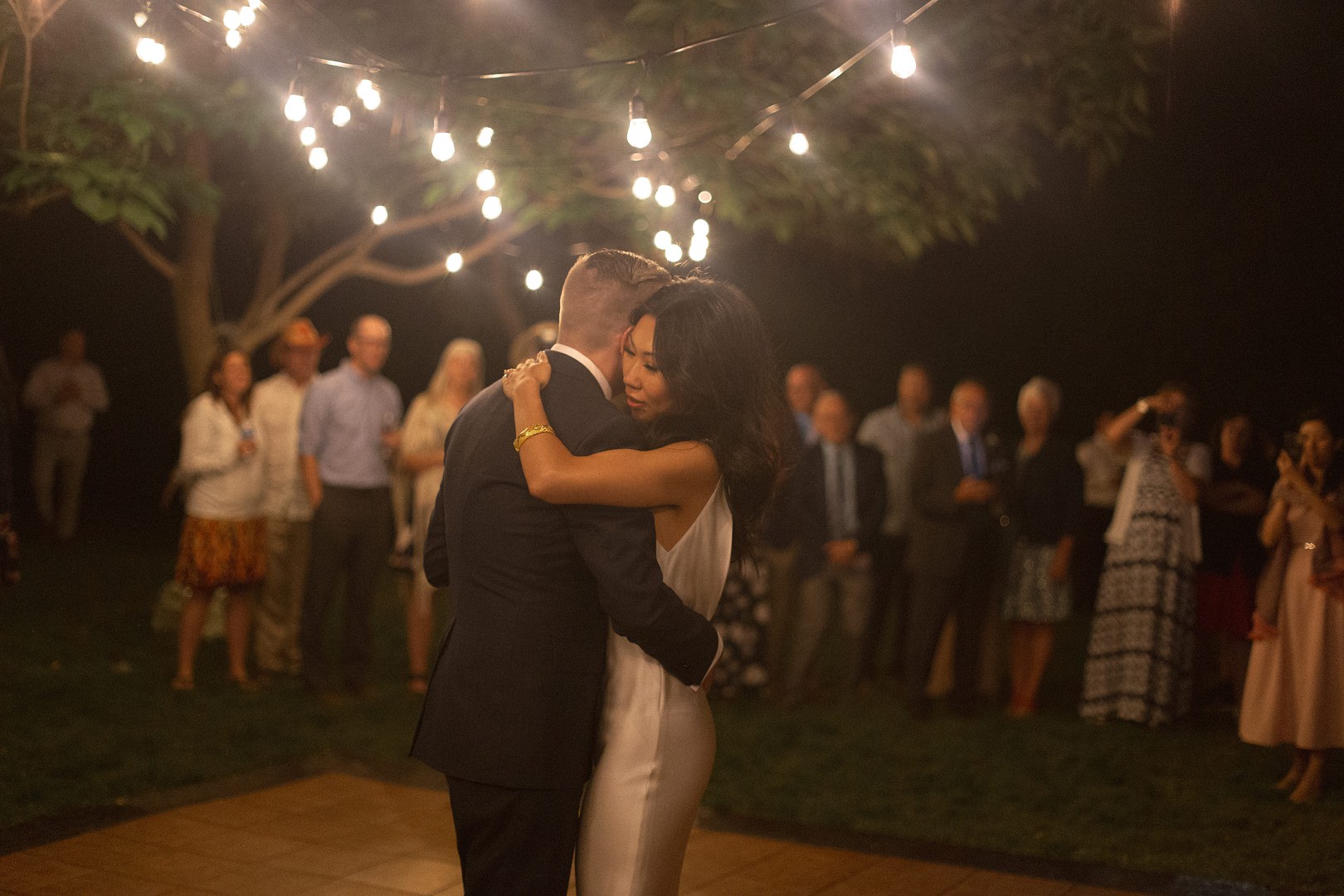
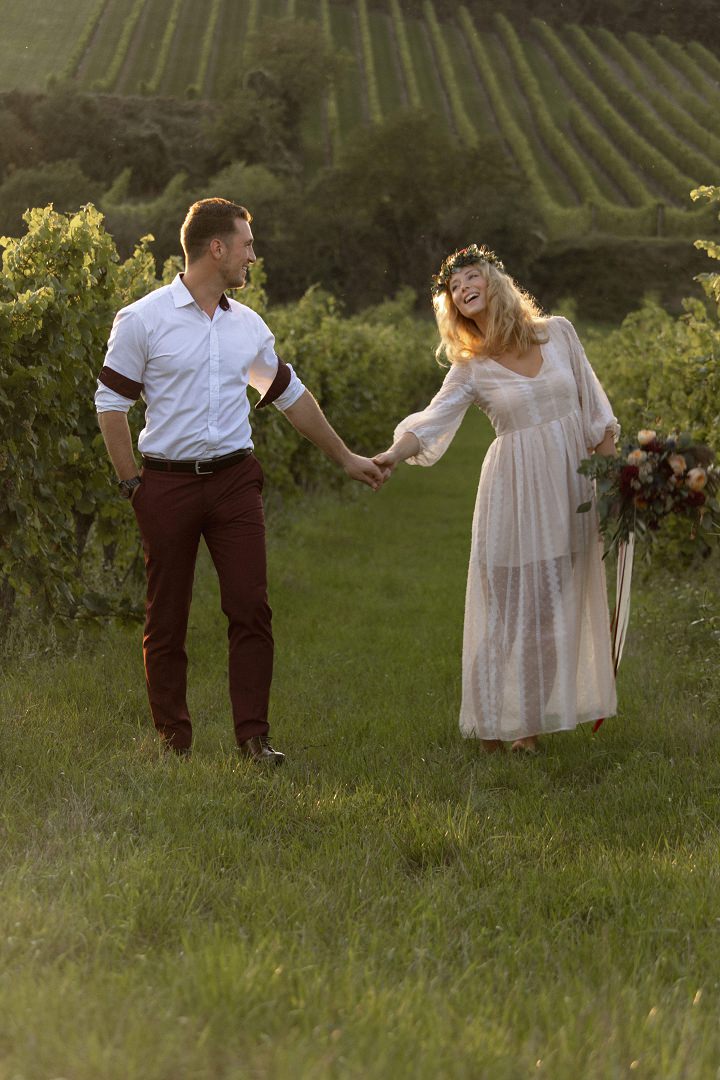
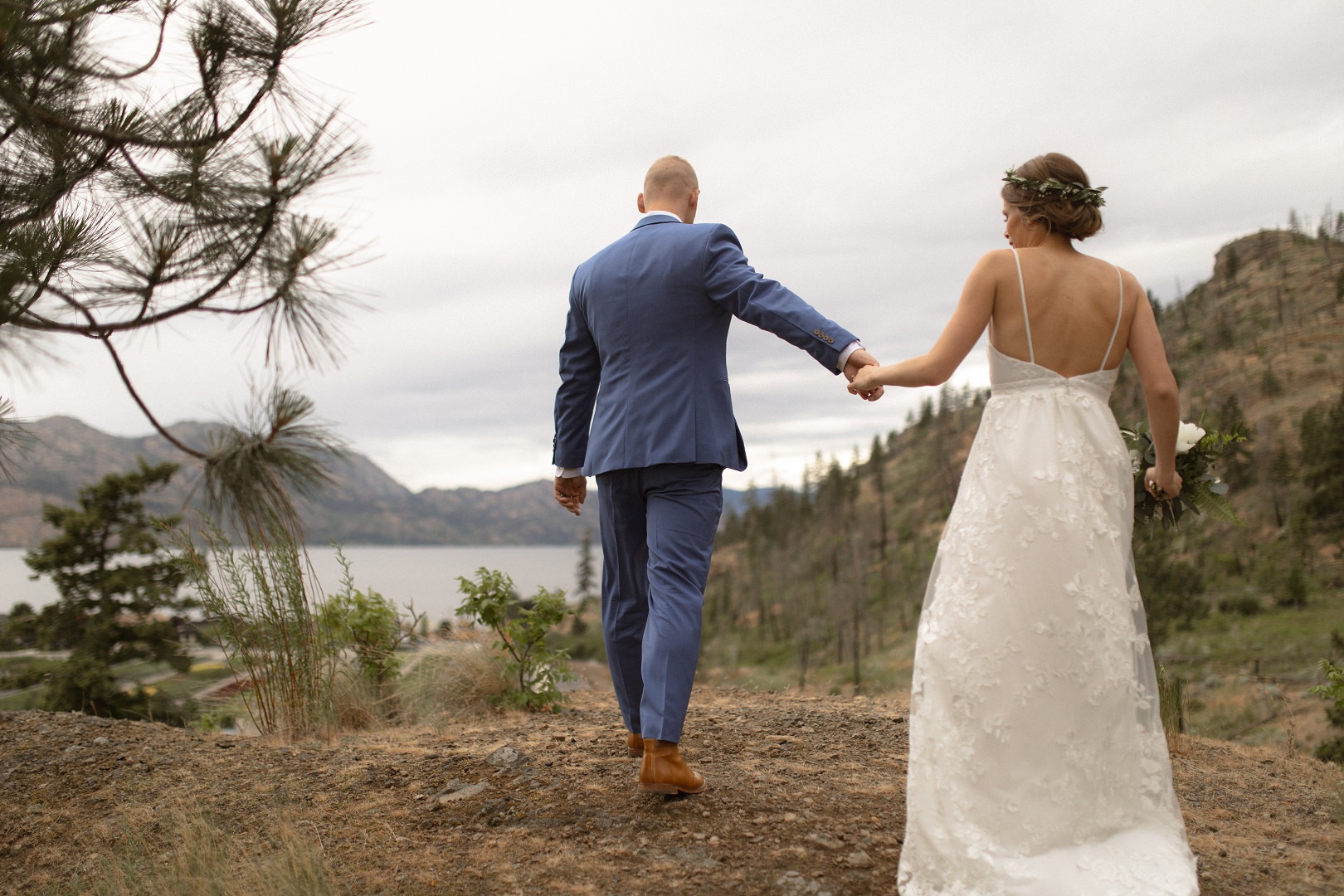
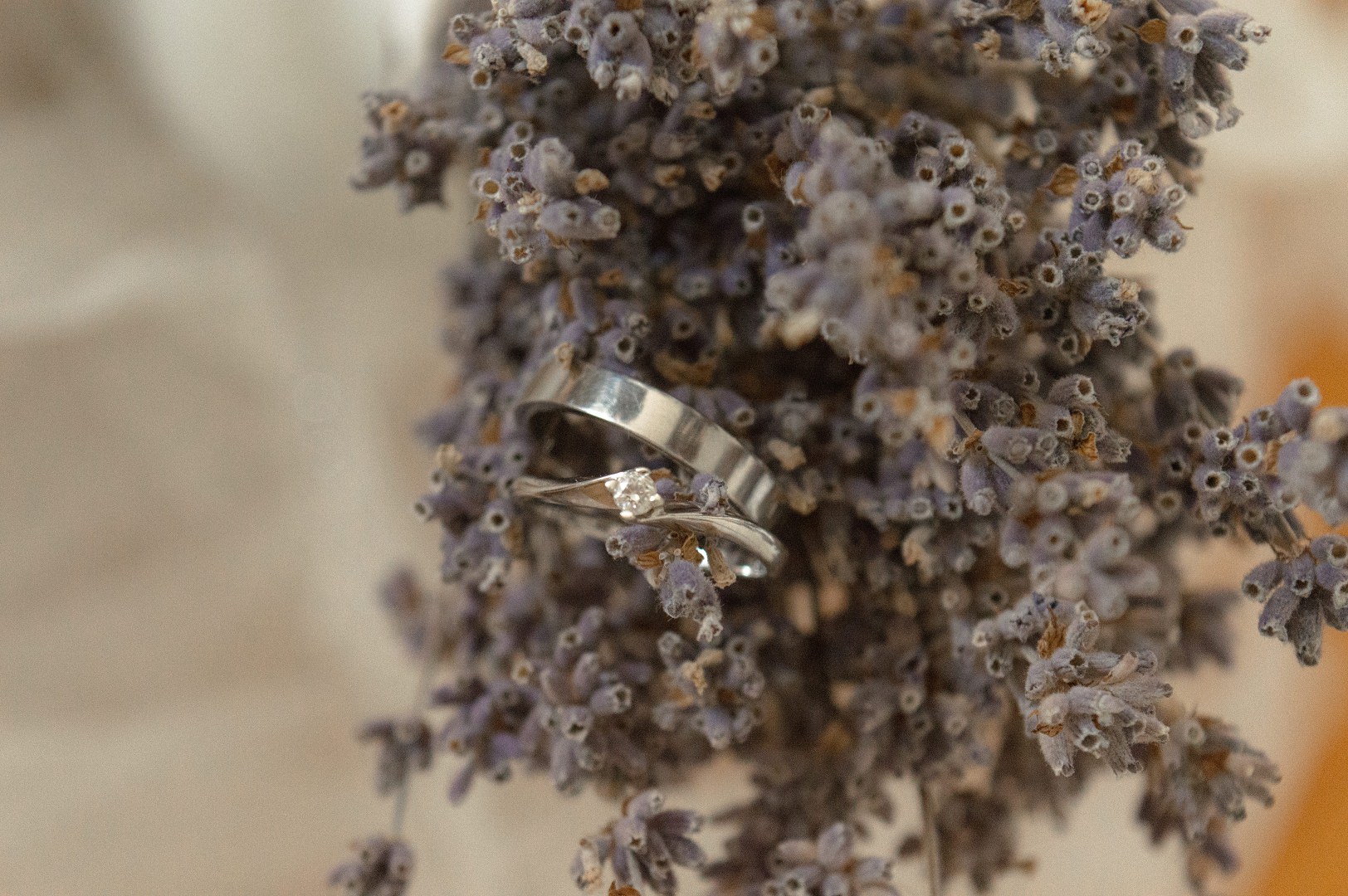
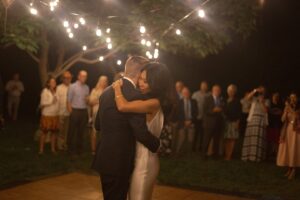
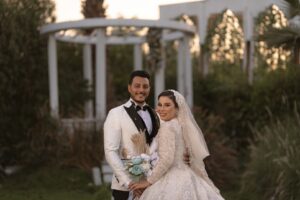
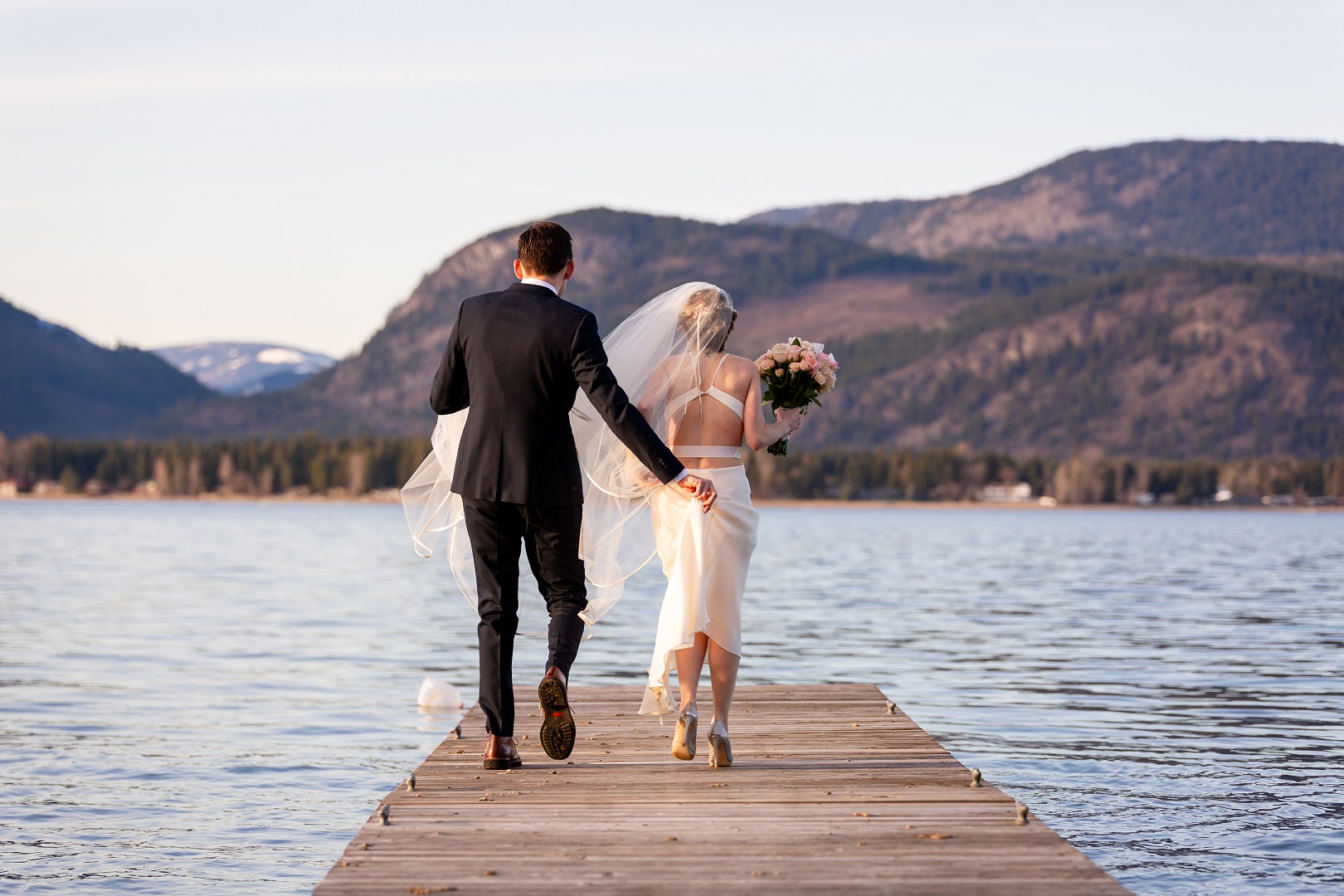
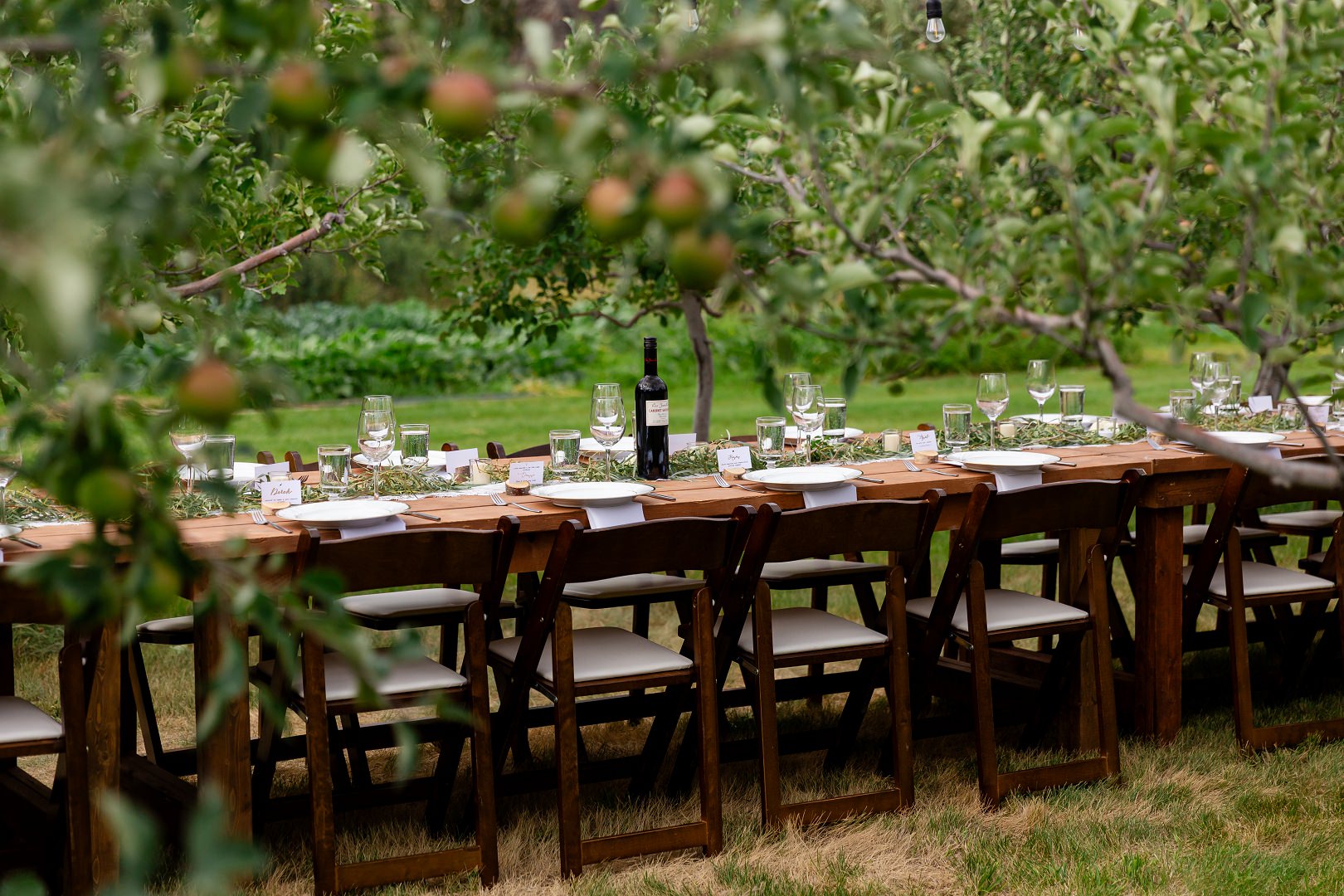
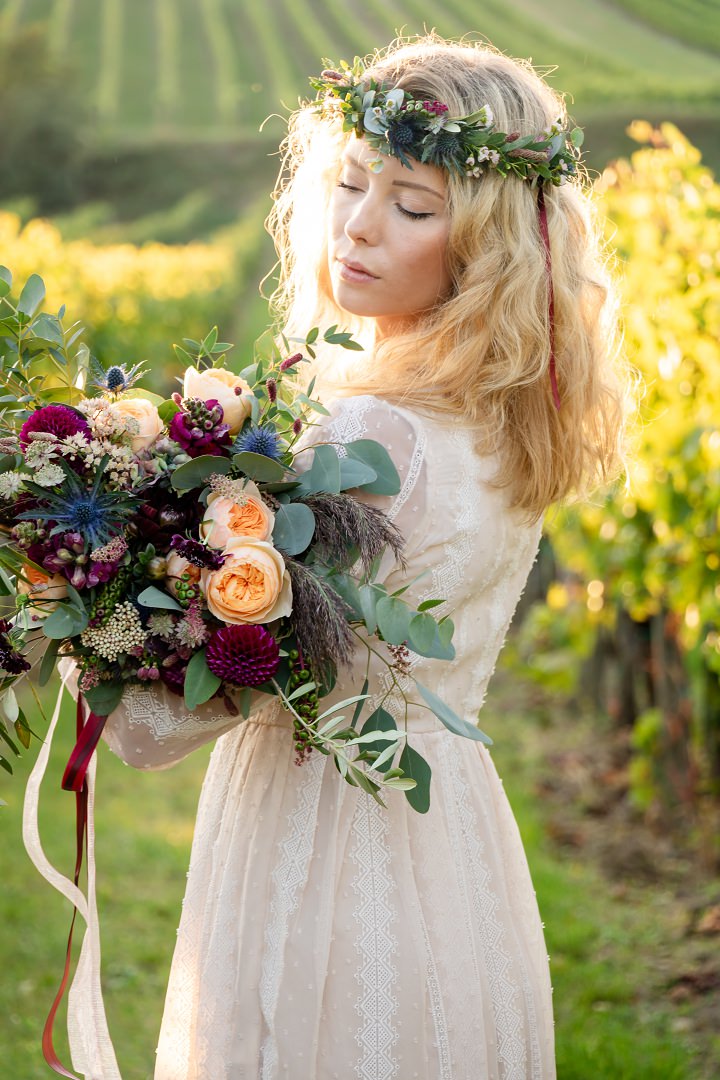
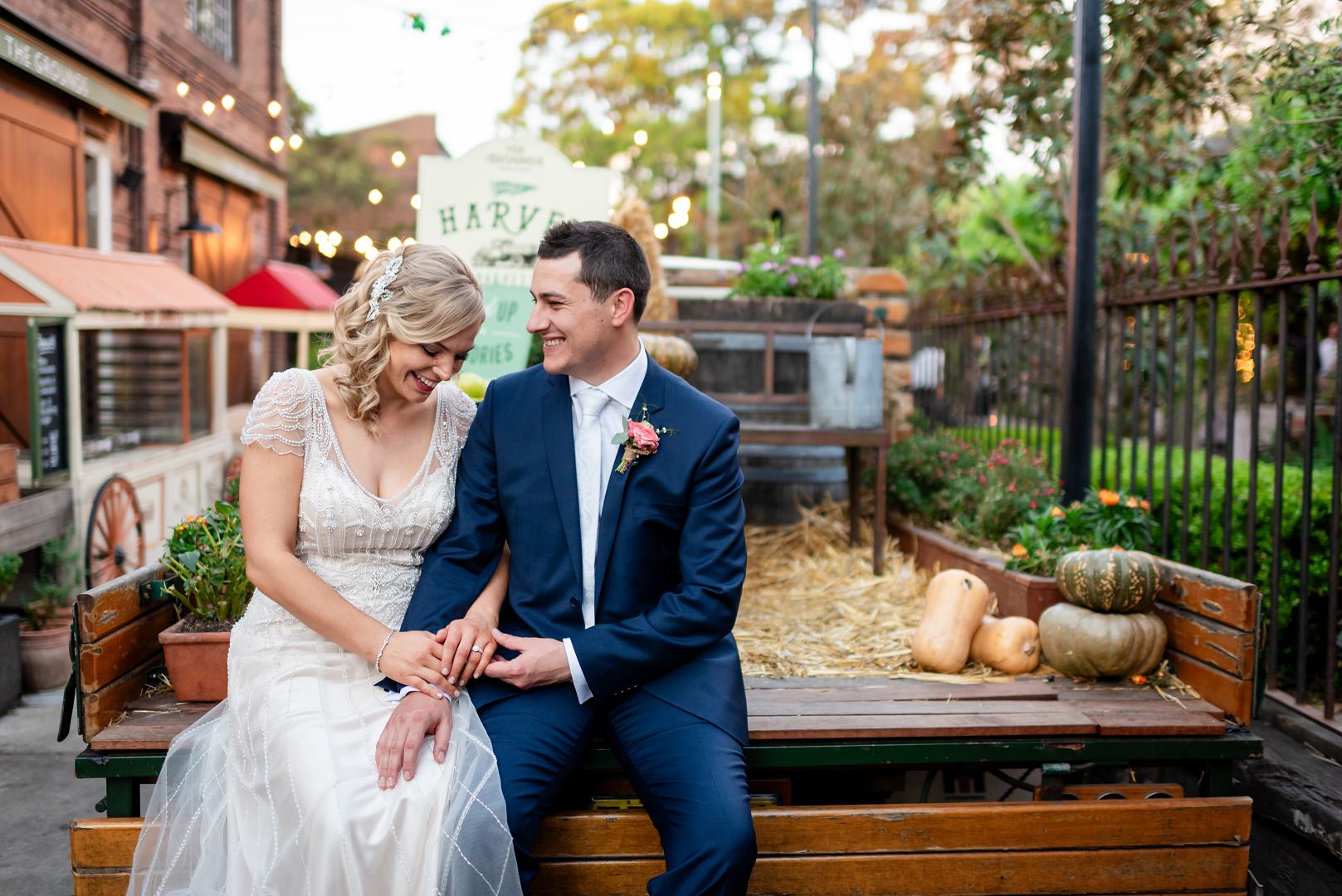
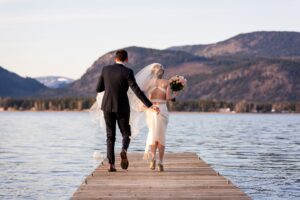
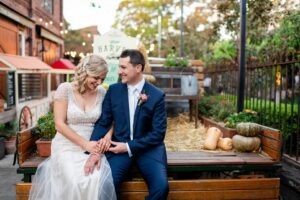
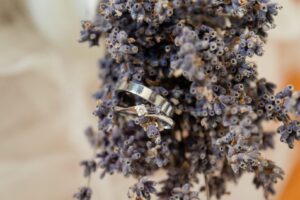
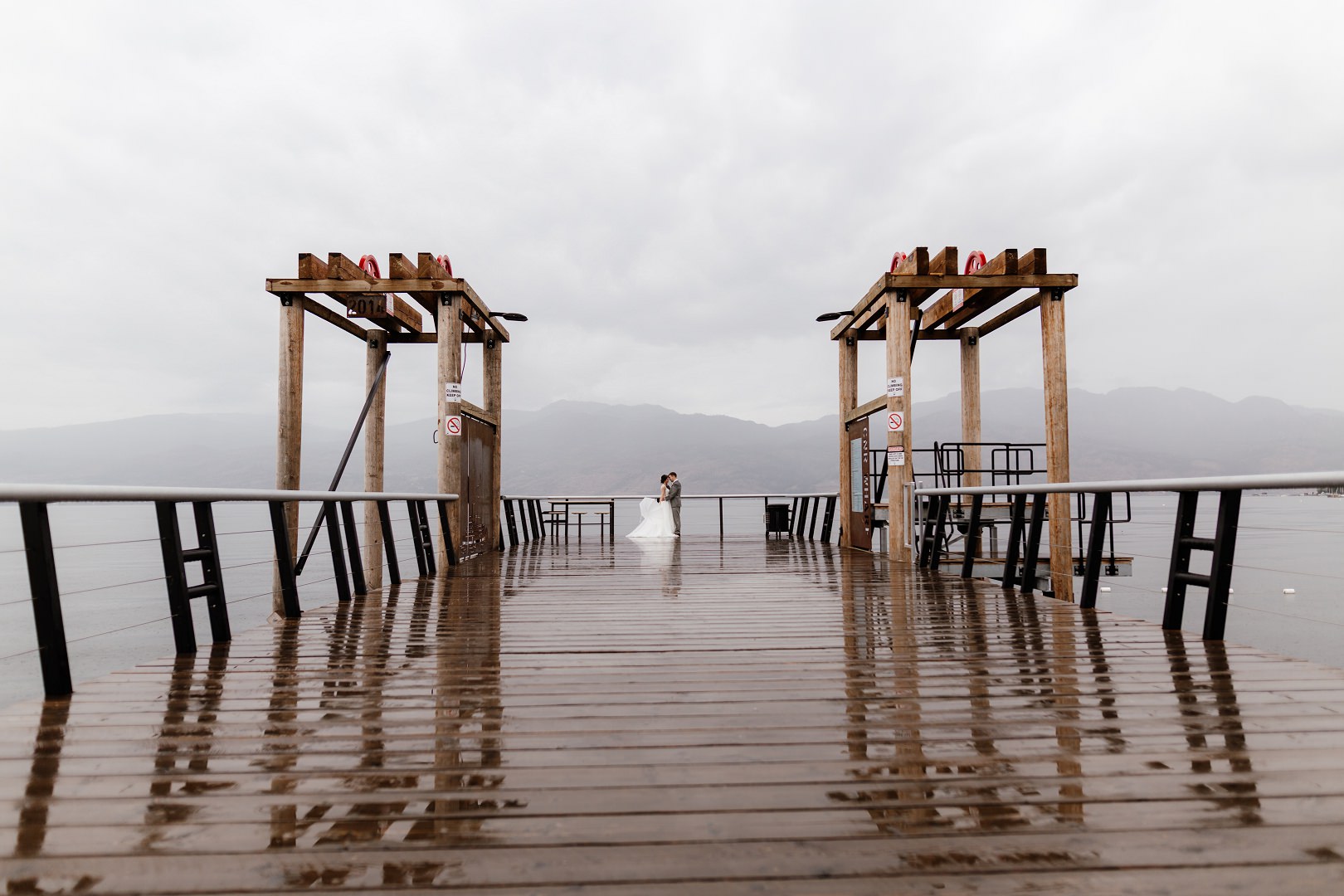
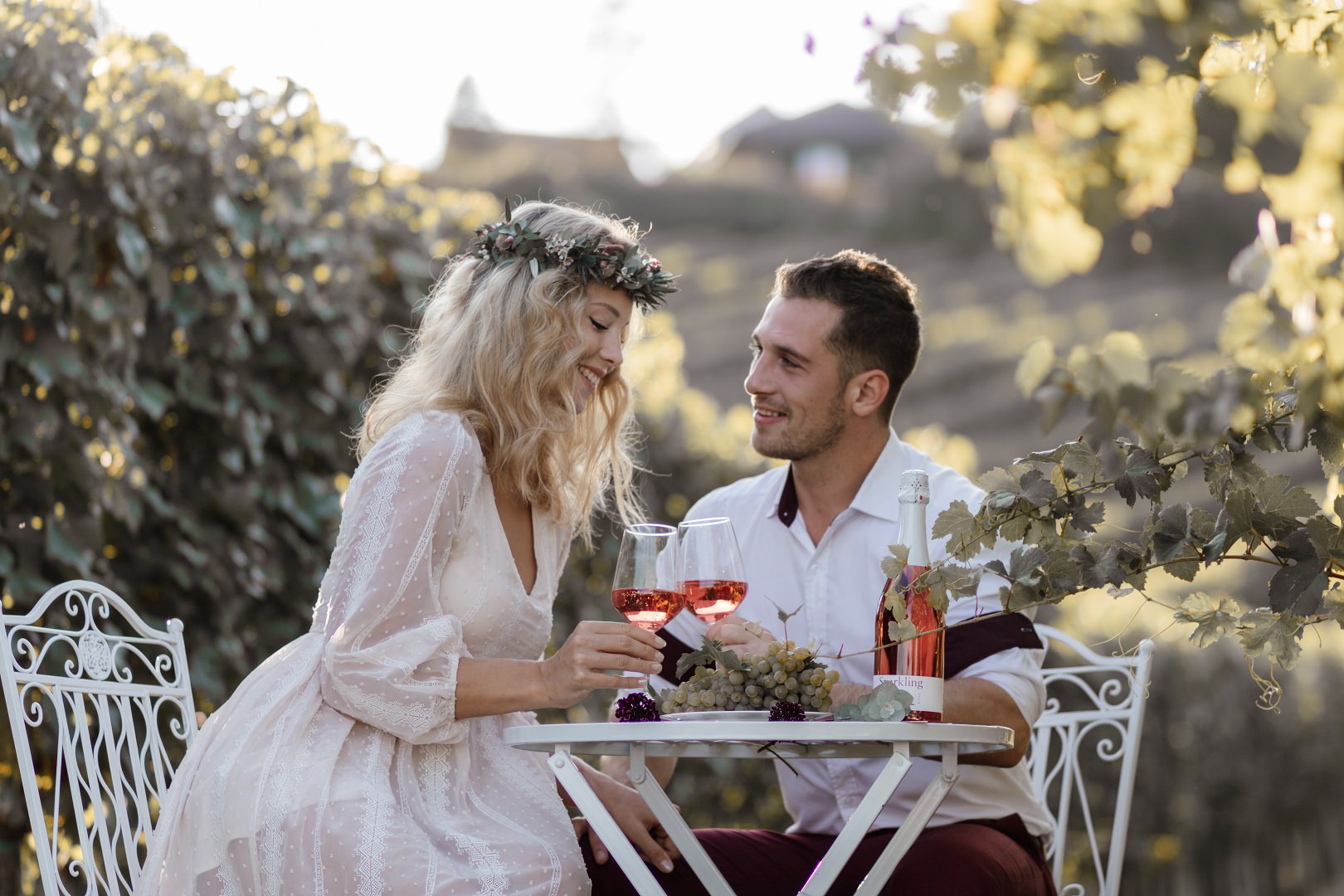
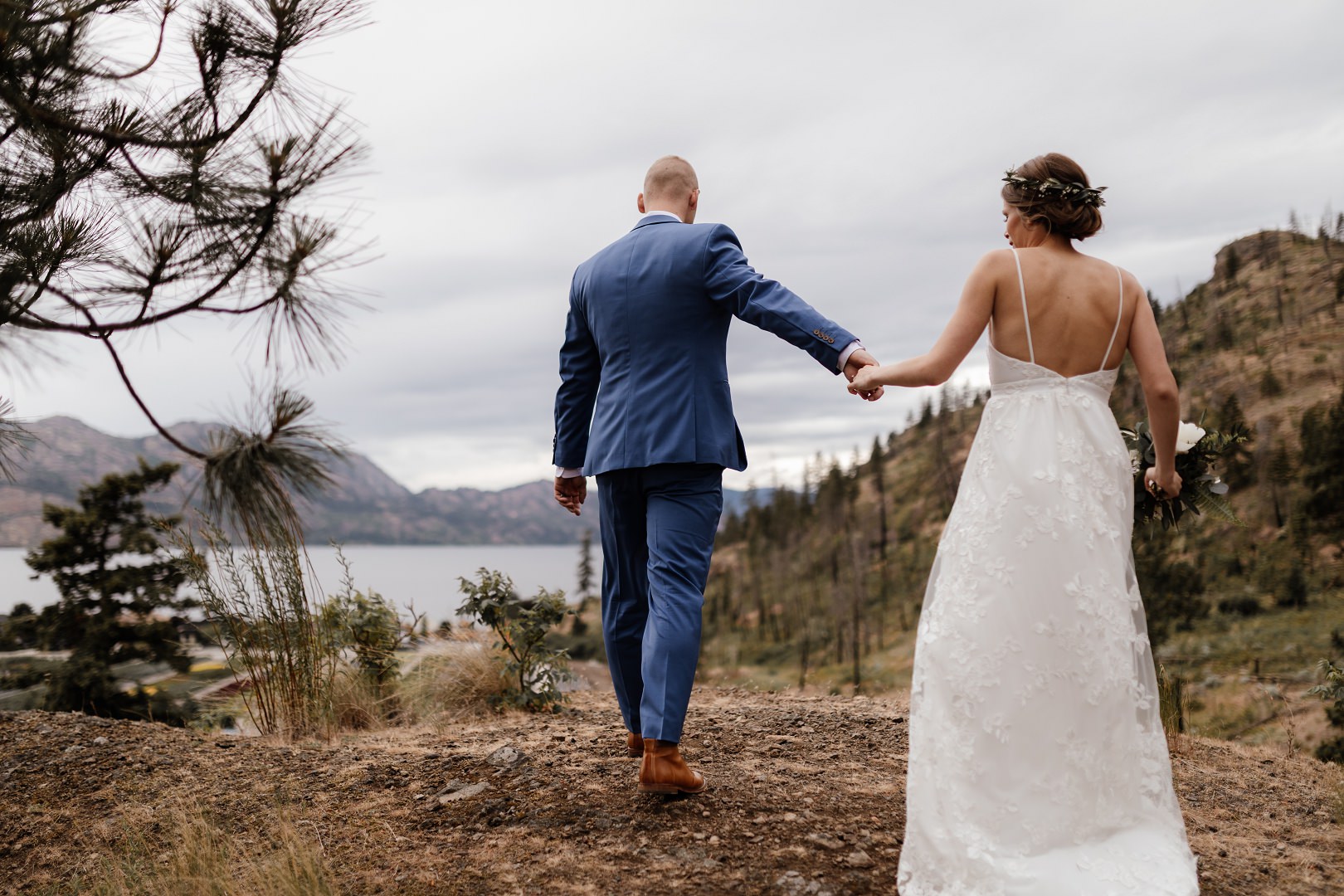
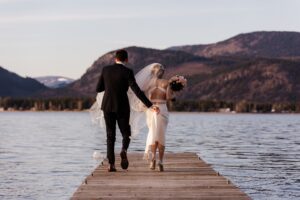
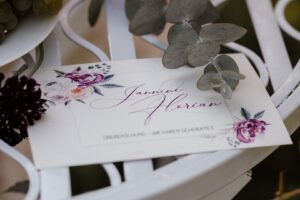
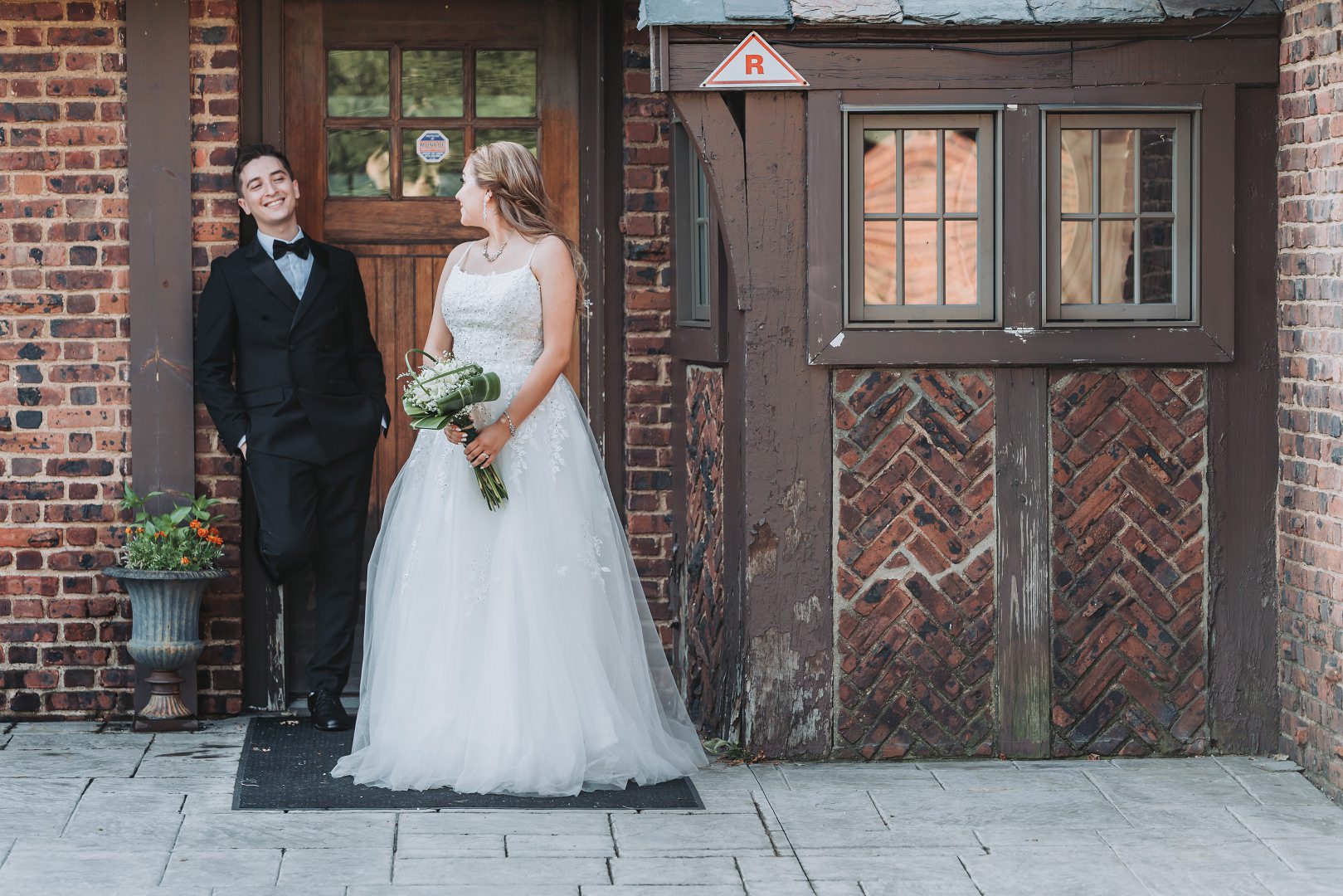
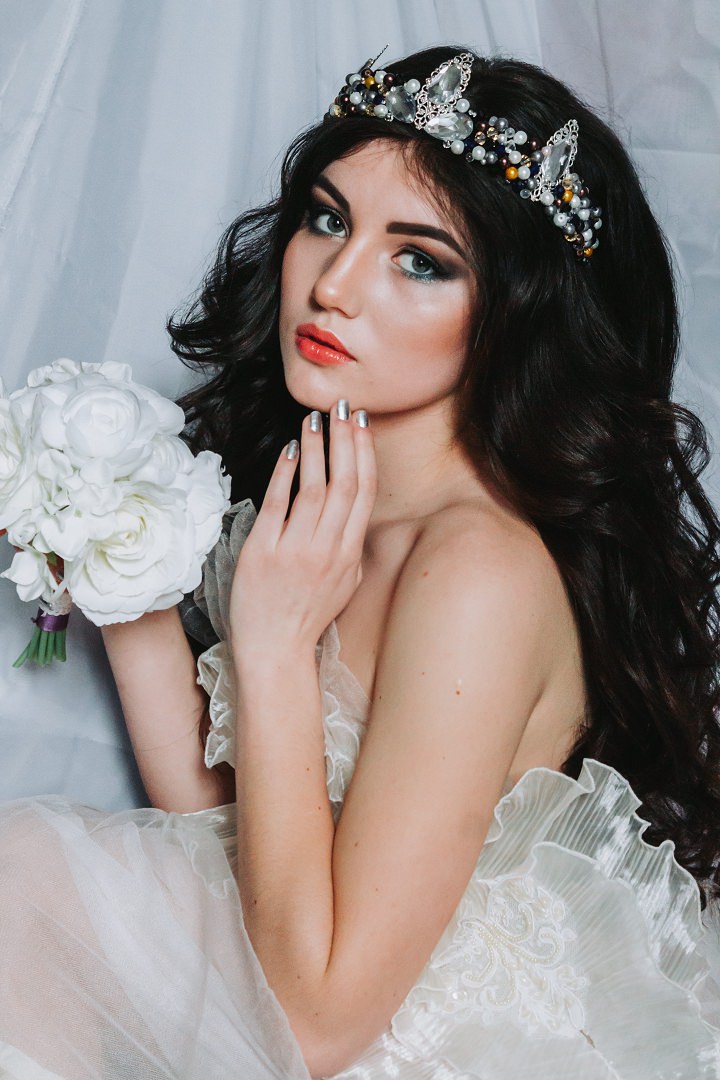
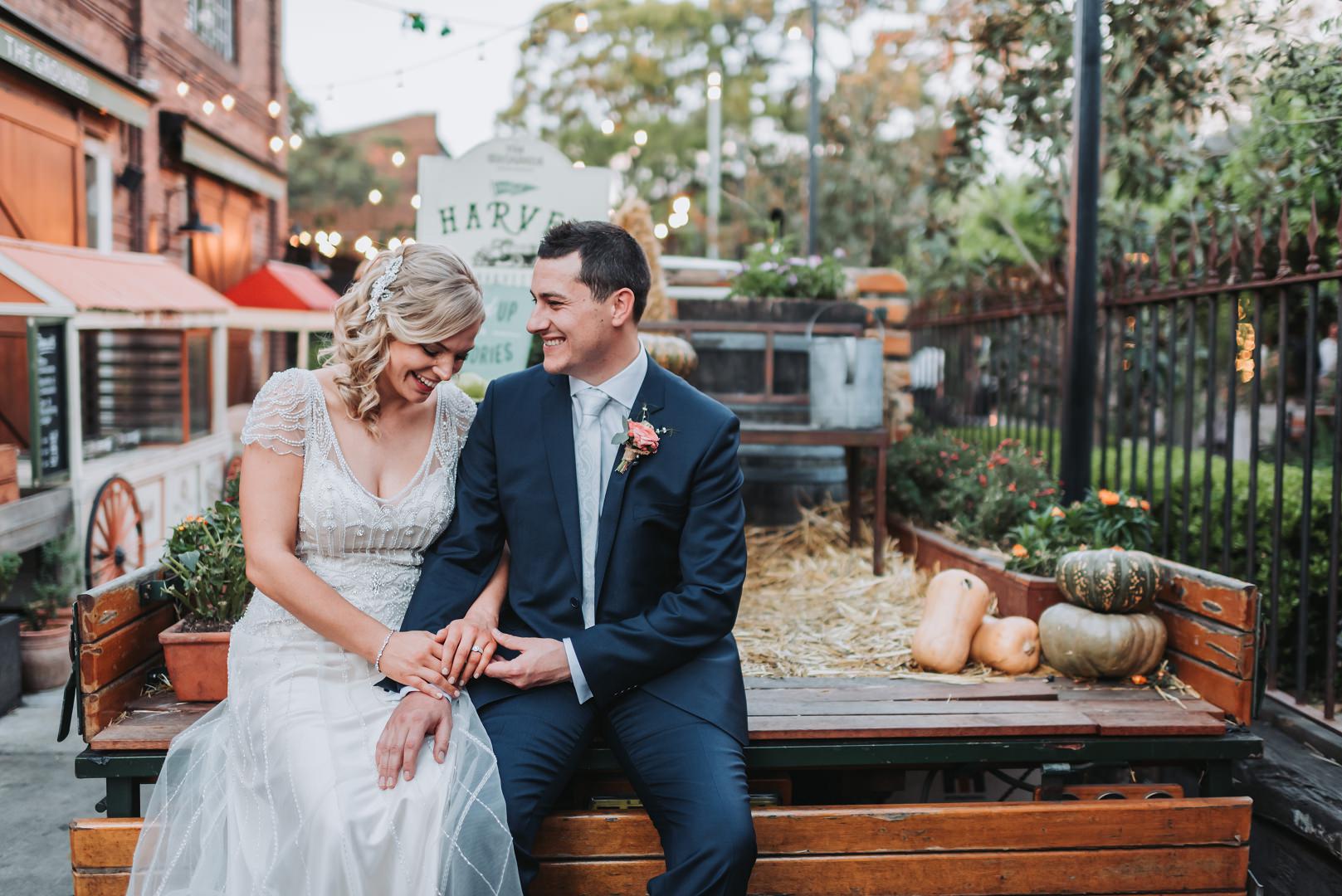
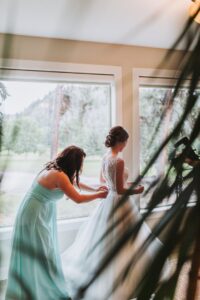
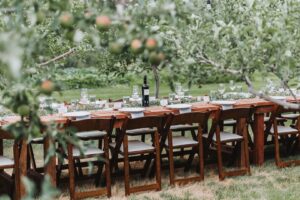
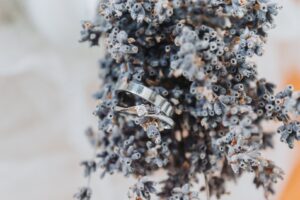
The Film processing style is best described as a true-to-life filmic style with a soft matte finish and earthy tonal grading, sitting comfortably between natural and editorial. Exposure is balanced rather than pushed: highlights are protected and slightly rolled off, while shadows are deep but not crushed, retaining usable detail. There’s a subtle matte lift in the blacks that softens contrast and removes any harsh digital edge. Overall contrast is moderate, favouring tonal smoothness over punch.
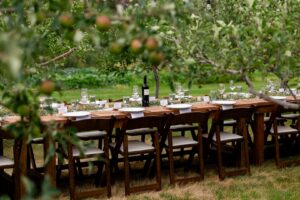
Colour is restrained and intentional. Greens are gently desaturated and nudged toward olive, blues are softened, and warmer tones are kept natural rather than exaggerated. Skin tones are consistent and believable—slightly warm, but grounded—avoiding both the overly golden look and the cooler magenta shift you sometimes see in trend-based edits.
What ties it together is the filmic response curve: smooth highlight roll-off, muted saturation, and a slight softness that mimics analogue rendering.